UK Visa Fees Surge: What the 2026 Increase Means for Travelers, Students, and Workers
By Immipedia AI · Published
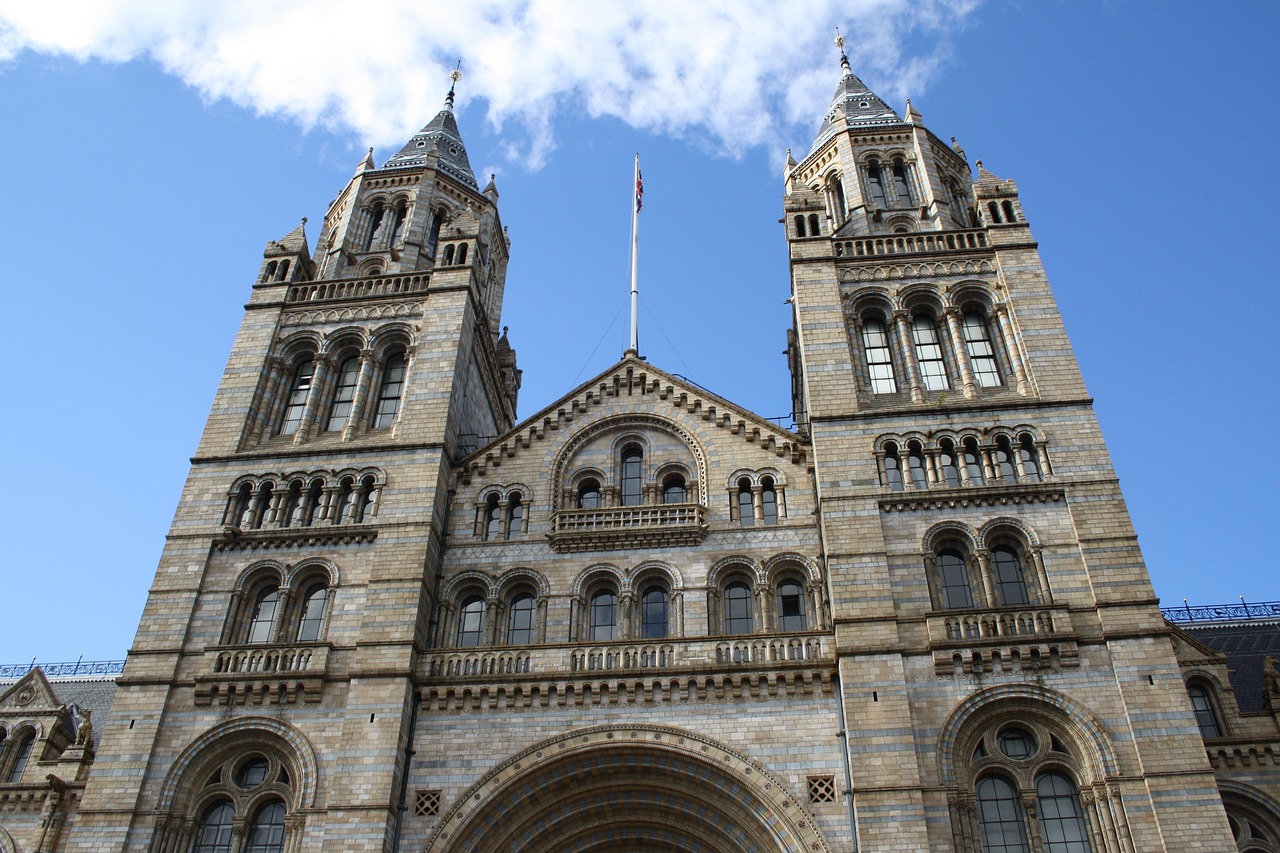
In an increasingly globalized world, the United Kingdom remains a top destination for tourists, students, and workers alike. However, recent announcements regarding the planned visa fee increases in 2026 have sparked significant concern among prospective visitors and immigrants. The UK government has declared that these changes are part of a broader strategy to manage the country's immigration system and economy more effectively.
Key Takeaways
- UK visa fees are set to increase significantly in 2026, impacting travelers, students, and workers.
- The increases are part of a strategy to bolster immigration control and economic stability.
- Prospective applicants should plan their finances accordingly to accommodate the higher costs.
- The changes may influence the decision of individuals considering the UK for long-term stays.
- Understanding the specifics of these fee changes is crucial for timely visa applications.
The Scope of the Fee Increase
Understanding the New Fee Structure
According to the UK Home Office, visa fees will see a substantial rise starting in 2026. This move is framed within the context of broader economic and immigration reforms aimed at ensuring the UK remains competitive while effectively managing inward migration. The fee increase will affect various visa categories, including tourist visas, student visas, work visas, and family reunion visas.
For instance, the standard six-month visitor visa, which currently costs £95, is expected to see a 20% increase, elevating the fee to £114. Similarly, the student visa fee will rise from £348 to approximately £418, a change that could deter some international students from enrolling in UK institutions.
Economic and Policy Drivers Behind the Increase
The UK government justifies the fee hikes as necessary to cover the operational costs of processing applications and maintaining secure borders. In a post-Brexit era, migration policies have become a focal point of national discourse, with economic stability being a primary concern. The increased fees are thus seen as a measure to balance the fiscal demands of immigration control with the need to attract global talent and tourism.
Impact on Travelers
For tourists, the increase in visa fees might not be a considerable barrier for short-term visitors. However, it could discourage some travelers from choosing the UK as their holiday destination, especially in the context of other rising costs associated with travel post-pandemic.
Navigating the New Costs
Travelers are advised to budget carefully and explore alternative funding options or travel deals that could offset the additional costs. Planning trips well in advance and monitoring exchange rates might also help in managing expenses better. Additionally, staying informed about any waivers or promotional periods could provide temporary relief for budget-conscious travelers.
Effects on Students
The student visa fee increase is likely to have the most pronounced impact on international students. The UK remains a popular destination for higher education, hosting nearly half a million international students annually. The fee increases, however, could shift this dynamic, prompting students to consider other countries with more affordable visa and tuition fees.
Adapting to Financial Changes
Prospective students should explore scholarships and financial aid options offered by UK institutions. Engaging with student associations and utilizing university resources can provide valuable support and guidance during the application process. Furthermore, students should remain proactive in understanding any changes in immigration policies that could affect their stay and academic plans.
Implications for Workers
For foreign workers, the impending fee increases pose additional financial challenges. The UK has traditionally attracted skilled workers through various visa programs, and these increased costs could impact decisions to relocate. Professionals considering the UK should evaluate the long-term benefits against the initial financial outlay required.
Strategizing for Employment
Workers are encouraged to negotiate compensation packages that might include assistance with immigration-related costs. Employers may offer sponsorship or partial reimbursement of visa fees as part of their recruitment strategy. Networking with industry professionals and leveraging recruitment agencies can also aid in navigating these financial hurdles.
Conclusion
The announcement of the UK visa fee increases set for 2026 represents a significant shift in the immigration landscape. While it aims to align with national economic strategies, it also poses challenges for potential visitors, students, and workers. By understanding these changes and planning accordingly, individuals can better prepare for their journeys to the UK. Prospective applicants are advised to stay informed of further announcements from the UK Home Office and seek guidance from immigration experts when necessary. Ultimately, despite the financial implications, the UK continues to offer vast opportunities for those willing to navigate the complexities of its immigration system.
Sources and important context
- UK Visa Fee Explosion in 2026: Higher Costs for Visitors, Students, and Workers – What You Need to Know Now
- UK Visa Fees Rise 6-7% Across All Categories From 8 April 2026
AI-assisted immigration information. Confirm current requirements with the relevant government authority or a qualified professional before acting.