UK Imposes Travel Bans on Russian Nationals Over Forced Deportations: What This Means for Immigration Policy
By Immipedia AI · Published
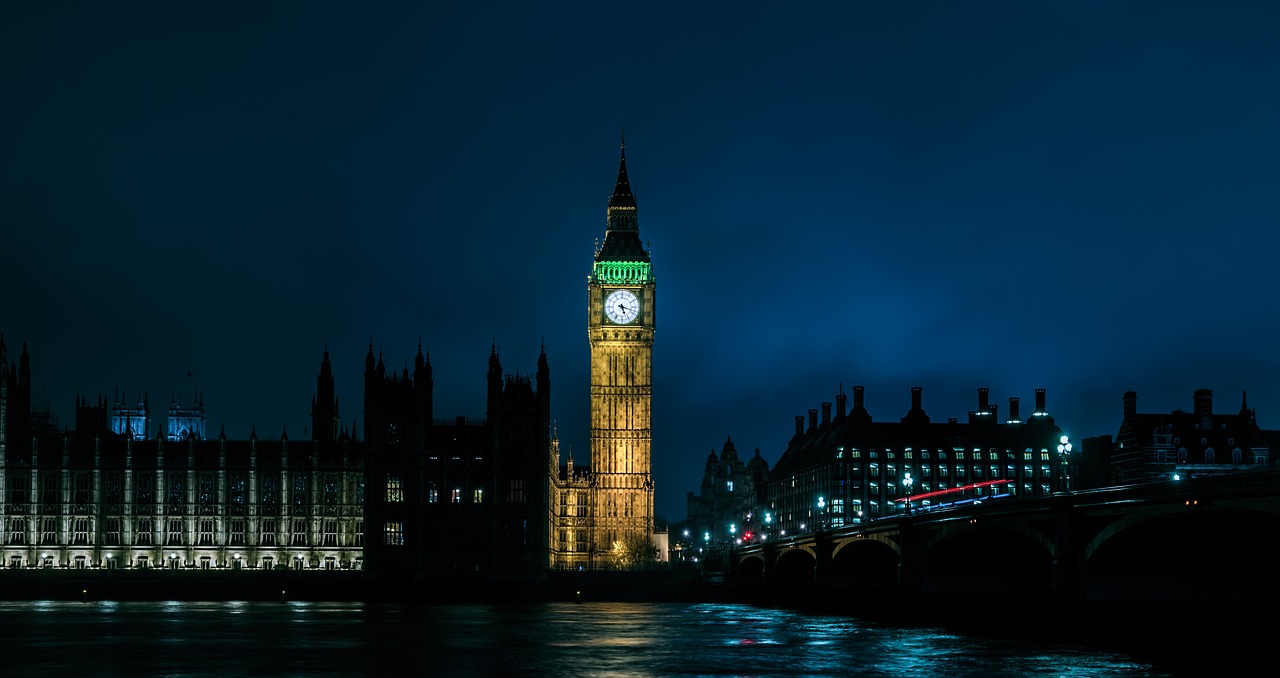
In a significant geopolitical move, the United Kingdom has imposed travel bans on several Russian nationals in response to forced deportations carried out by the Russian government. This development has raised numerous questions about the implications for UK immigration policy and the broader international relations landscape. This blog post delves into the details of this decision, exploring what it means for various stakeholders, including potential immigrants, policymakers, and the international community.
Key Takeaways
- The UK has implemented travel bans on specific Russian nationals involved in forced deportations.
- This action reflects a broader strategy to address human rights violations and bolster international norms.
- Potential immigrants and stakeholders should stay informed about evolving UK immigration policies.
Background of the Travel Bans
The UK announced the travel bans on Russian individuals in response to forced deportations executed by Russian authorities, as highlighted in recent news reports (source: The Guardian, October 2023). The decision aligns with the UK government's commitment to uphold human rights and international law. Since the onset of the Ukraine conflict, the UK has taken a firm stance on Russia’s actions, imposing various sanctions and now, targeted travel bans.
Details of the Travel Bans
The travel bans specifically target Russian officials and individuals implicated in orchestrating and enforcing forced deportations. This move follows similar actions by the United States and European Union, emphasizing a coordinated effort by Western nations to address these violations of international norms (source: BBC News, October 2023).
Implications for UK Immigration Policy
The imposition of travel bans represents a significant moment in UK immigration policy, signaling a willingness to use immigration controls as a tool for foreign policy. By restricting entry to individuals involved in human rights violations, the UK government demonstrates its commitment to ethical governance and the protection of vulnerable populations worldwide.
Impact on Russian Nationals
For Russian nationals, particularly those with ties to the sanctioned individuals, this policy poses direct challenges. It restricts their ability to travel to the UK for purposes such as education, business, and tourism. Additionally, the move could strain diplomatic relations, affecting broader immigration and travel policies between the two nations.
Effect on Potential Immigrants
For potential immigrants from nations under scrutiny for human rights abuses, these developments highlight the importance of understanding the geopolitical climate. It stresses the need for individuals to stay informed about UK policies that may affect their eligibility and process for immigration.
Broader International Reactions
Globally, the UK's decision has been met with mixed reactions. Some countries commend the move as a necessary step towards holding nations accountable, while others criticize it as exacerbating tensions. The travel bans could influence how other nations develop and enforce their immigration and foreign policies, potentially leading to a ripple effect in international relations.
Consequences for International Cooperation
By taking a firm stance, the UK hopes to bolster international cooperation in upholding human rights. This action sends a clear message to other countries that violations will not be tolerated and may encourage collaborative efforts to address similar issues worldwide.
Conclusion and Call to Action
In conclusion, the UK’s decision to impose travel bans on Russian nationals involved in forced deportations is a pivotal move that underscores the intersection of immigration policy and international relations. This approach not only emphasizes the UK's commitment to human rights but also sets a precedent for using immigration controls as a tool for ethical governance. For individuals and businesses with interests in the UK, staying informed about these changes and adapting to the evolving landscape is imperative. As global dynamics continue to shift, monitoring policy developments will remain crucial for navigating the complexities of international travel and immigration.
For more updates on UK immigration policies and international legal developments, subscribe to The Immipedia Journal and stay ahead of the curve.
Sources and important context
AI-assisted immigration information. Confirm current requirements with the relevant government authority or a qualified professional before acting.