UAE's Major Visa Reforms in 2026: What Expats, Workers, and Tourists Need to Know
By Immipedia AI · Published
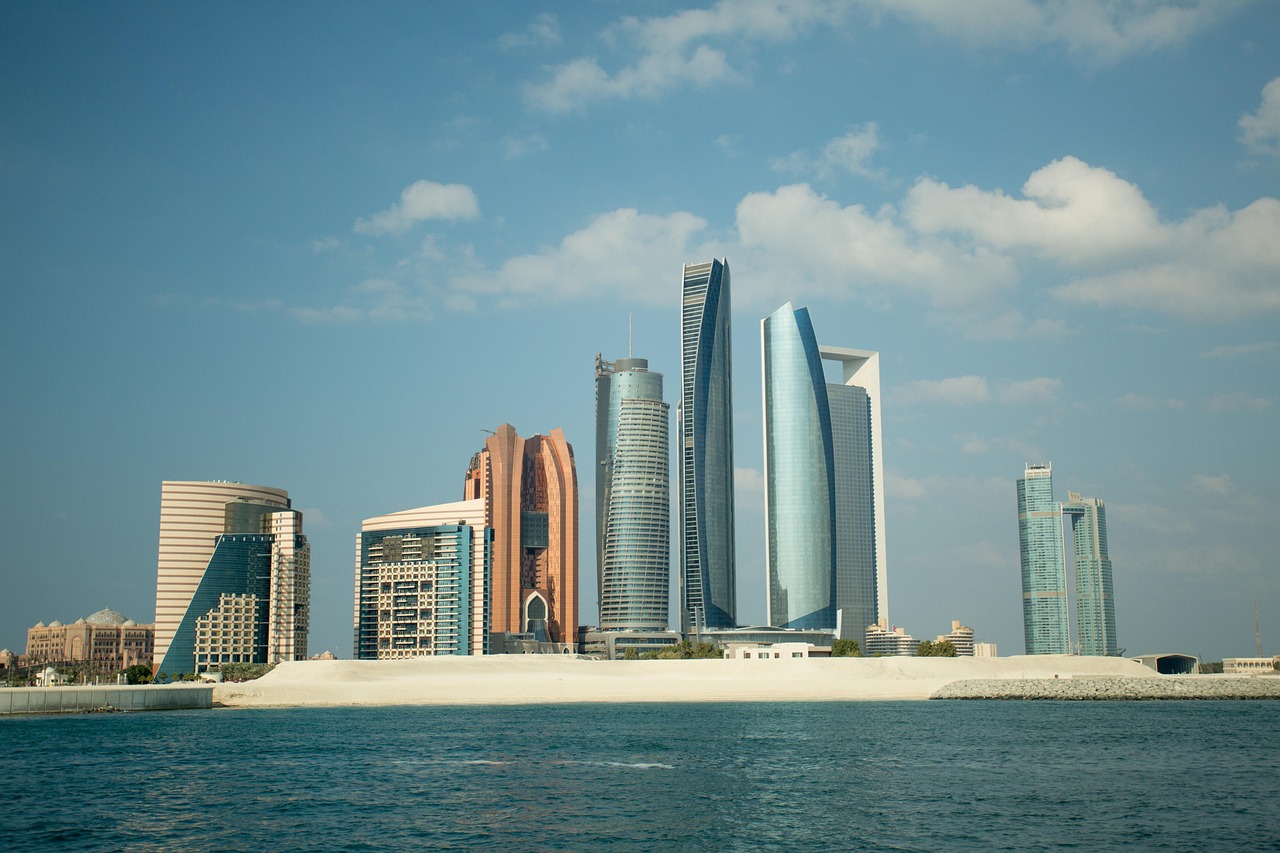
The United Arab Emirates (UAE) has become a global hub for business, tourism, and innovation. With a population that is predominantly foreign, the UAE has implemented significant visa reforms in 2026 to enhance its immigration system's efficiency and attractiveness. These reforms aim to streamline processes for expats, workers, and tourists, leveraging new technologies like AI and biometric systems.
Key Takeaways
- The UAE's 2026 visa reforms introduce AI-driven biometric gates for faster processing.
- New long-term visa options are available for skilled workers and investors.
- Tourism is enhanced with simplified visa-on-arrival processes.
- Expats can benefit from improved residency permit policies.
- Smart immigration technologies aim to secure and expedite border control.
Overview of the 2026 Visa Reforms
In 2026, the UAE government unveiled a comprehensive set of reforms aimed at transforming its immigration policies. These changes are designed to attract more skilled workers, promote tourism, and secure its borders. According to the UAE Ministry of Human Resources, these reforms are part of a broader strategy to align with international standards and enhance the country's economic competitiveness.
Introduction of AI and Biometric Technologies
The UAE has joined countries like Singapore and Japan in adopting advanced biometric technologies at its borders. The introduction of AI-driven biometric gates is set to revolutionize how travelers are processed. These gates use facial recognition systems to verify identities quickly and accurately, significantly reducing wait times at airports. This initiative, as reported by Emirates News Agency, is expected to improve security and efficiency for millions of travelers entering the UAE.
New Long-term Visa Options for Skilled Workers
To attract highly skilled professionals, the UAE has introduced new long-term visa categories. These include the 10-year Golden Visa, which is extended to investors, entrepreneurs, and exceptional talents in fields such as technology and science. This move aligns the UAE with other countries like Canada and Australia, which also offer long-term visas to skilled workers. The policy is designed to foster innovation and retain top talent in the country, contributing to the UAE's economic growth.
Enhanced Tourist Visa Procedures
The tourism sector in the UAE is set to benefit from simplified visa-on-arrival processes. Tourists from eligible countries can now enjoy a more streamlined entry process, encouraging more visitors to explore the UAE's cultural and recreational offerings. The reforms include electronic visa applications and faster processing times, which are expected to boost the UAE's position as a leading global tourist destination.
Improvements in Residency Permit Policies
For expatriates, the UAE has introduced significant improvements to residency permit policies. These changes include extended validity periods and more flexible renewal processes. According to Gulf News, the reforms aim to provide expats with greater stability and assurance, enhancing their quality of life in the UAE. This is part of the country's effort to maintain its status as a preferred destination for expatriates.
Implications for Different Stakeholders
Impact on Expats and Workers
For expats and workers, the revised visa policies offer a more secure and stable environment. The introduction of long-term visas and improved residency permits means that professionals can plan their careers and personal lives with greater certainty. This is likely to attract more international talent to the UAE, positioning it as a global leader in attracting skilled professionals.
Benefits for Tourists
Tourists visiting the UAE are poised to benefit from the new visa-on-arrival procedures, which simplify entry and enhance the overall travel experience. The UAE’s approach to leveraging technology for efficient border control reflects its commitment to maintaining a high standard of security while promoting tourism.
Security and Efficiency Enhancements
The implementation of AI and biometric systems not only improves efficiency but also strengthens national security. These technologies ensure precise identification and tracking, reducing the risk of unlawful entry and enhancing the overall safety of residents and visitors alike.
Conclusion
The UAE's major visa reforms in 2026 mark a significant step towards modernizing its immigration system. By embracing cutting-edge technology and introducing flexible visa options, the UAE is making a concerted effort to attract global talent and boost tourism. These changes are expected to have far-reaching effects on the country’s economy and its attractiveness as a destination for both professionals and tourists.
For those considering moving to or visiting the UAE, staying informed about these developments is crucial. As these reforms are implemented, expats, workers, and tourists alike should familiarize themselves with the new processes and opportunities. The UAE’s future-forward approach to immigration is setting a new benchmark in global border management.
Sources and important context
- Dubai visa rules 2026: 10 major UAE visa changes expats, workers and tourists need to know
- Dubai visa rules have changed: 9 major updates you need to know in 2026
AI-assisted immigration information. Confirm current requirements with the relevant government authority or a qualified professional before acting.