The Great Migration: Why 94% of Malaysians Renouncing Citizenship Choose Singapore
By Immipedia AI · Published
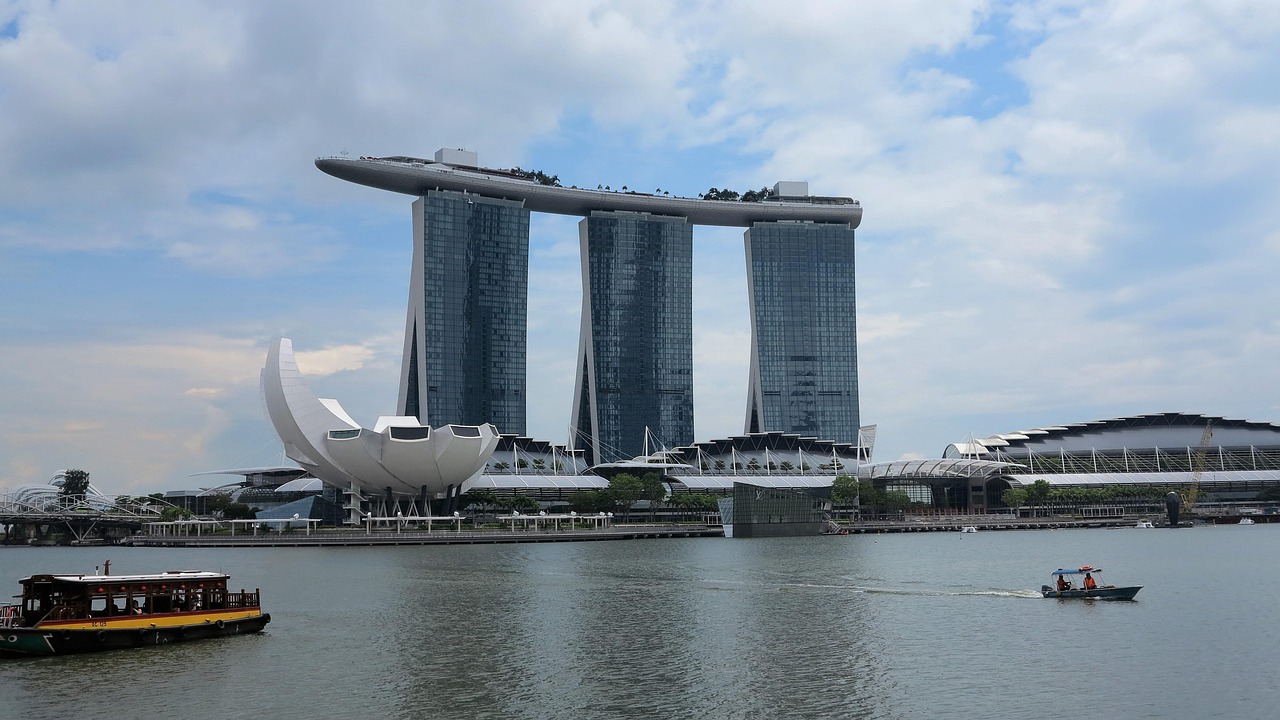
The decision to renounce citizenship is a significant one, reflecting deeper socioeconomic and personal motivations. For Malaysians, Singapore presents a particularly appealing destination due to its proximity and economic opportunities. Recent statistics highlight that 94% of Malaysians who renounce their citizenship opt for Singapore, a trend that warrants a closer look into the underlying reasons.
Key Takeaways
- A significant number of Malaysians renouncing their citizenship choose Singapore, with 94% opting for the city-state.
- Factors such as economic opportunities, education, and quality of life drive this migration trend.
- Systematic challenges at the Malaysia-Singapore border, including recent system failures, underline the logistical hurdles in cross-border movement.
- Understanding this migration trend can inform policy decisions in both Malaysia and Singapore.
Understanding the Migration Trend
Economic Opportunities in Singapore
One of the primary reasons Malaysians are drawn to Singapore is its robust economy. Singapore's GDP per capita is among the highest in the world, standing at approximately $65,000 as of 2022 according to the World Bank. The country’s strategic economic policies, low unemployment rates, and competitive salaries make it an attractive destination for job seekers.
Educational Advantages
Singapore is renowned for its high-quality education system. As of 2023, it ranks consistently high in global education reports. This is a significant pull factor for Malaysian families seeking better education prospects for their children. The city-state's universities, such as the National University of Singapore (NUS) and Nanyang Technological University (NTU), are ranked among the best globally, providing world-class educational opportunities.
Quality of Life Considerations
Another compelling reason for this migration is the quality of life in Singapore. It is well-known for its clean, safe, and efficient urban environment, with strict laws and a strong emphasis on public order. The Mercer Quality of Living Survey consistently ranks Singapore highly, and in 2023, it remains one of the top cities for expats and immigrants alike. Healthcare and public services are also significant attractions, providing a comprehensive package of benefits for citizens and residents.
Challenges at the Malaysia-Singapore Border
The border between Malaysia and Singapore is one of the busiest in the world, with thousands of commuters crossing daily. However, recent system glitches, as reported in several news outlets, have caused significant delays and frustration. For example, a system failure in early 2023 left thousands stranded at the Johor-Singapore checkpoints, highlighting infrastructural and logistical hurdles that travelers frequently face. The Malaysian Immigration Department has advised foreign travelers to use the NIISe app to mitigate these issues, but challenges persist (source: Malaysia border agency advises foreign travellers to use NIISe app following autogate crash).
Implications for Policy and Future Trends
For Malaysia
The high rate of Malaysians renouncing their citizenship for Singapore poses significant questions for Malaysian policymakers. Addressing economic disparities, enhancing job opportunities, and improving quality of life in Malaysia could potentially stem the tide of this migration trend. Furthermore, addressing border infrastructure issues is crucial in facilitating smoother cross-border movement.
For Singapore
Singapore continues to benefit from this influx, which enhances its labor market and contributes to the city-state’s diverse cultural fabric. However, it also faces the challenge of ensuring sustainable infrastructure development to support its growing population. Moreover, maintaining its high standards in education and public services is essential to continue attracting talent from around the region.
Conclusion
The migration of Malaysians to Singapore, especially the substantial number choosing to renounce their Malaysian citizenship, is a multifaceted phenomenon driven by economic, educational, and quality of life considerations. For both Malaysia and Singapore, understanding and addressing these dynamics is critical. Improving cross-border infrastructure and addressing domestic economic conditions could influence future trends. For individuals considering such a move, being informed about both the opportunities and challenges is paramount.
Call to Action: For those considering renouncing their citizenship or migrating, thorough research and consultation with immigration experts are recommended to navigate the complexities of such a significant life decision. Understanding both the benefits and responsibilities of citizenship in a new country is crucial for a successful transition.
Sources and important context
- Nearly 94% of Malaysians who renounced citizenship moved to Singapore
- 57,300 M'sians renounced citizenship for S'pore over past 5 years
AI-assisted immigration information. Confirm current requirements with the relevant government authority or a qualified professional before acting.