Singapore to Ramp Up Immigration Amid Declining Birth Rates: What It Means for the Future
By Immipedia AI · Published
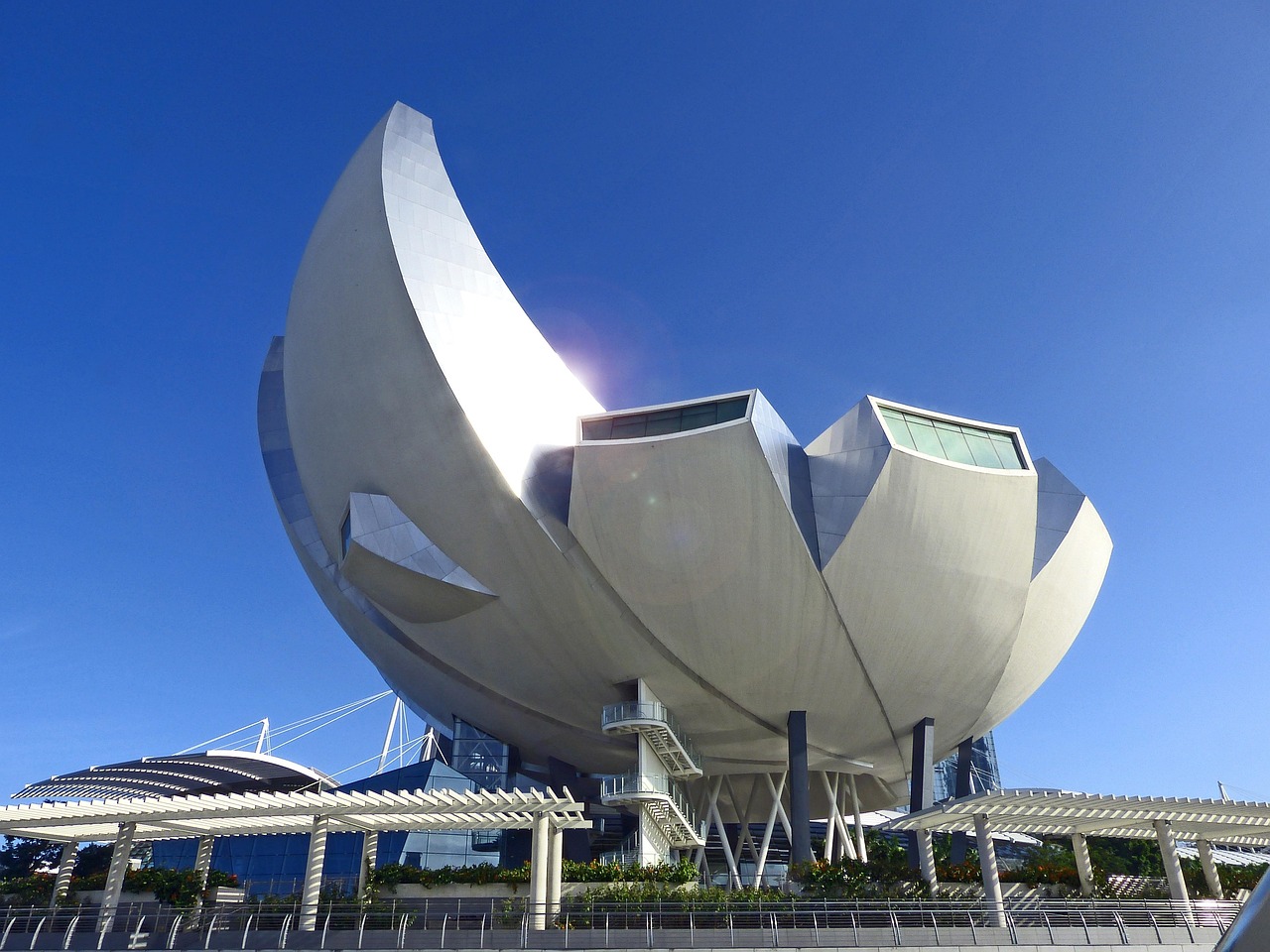
Singapore, known for its economic prowess and dynamic multiculturalism, is facing a demographic challenge: declining birth rates. To counterbalance this trend, the Singaporean government is looking to ramp up immigration. This strategic shift aims not only to stabilize the population but also to sustain economic growth and social vitality. Let’s explore what this means for the future of Singapore.
Key Takeaways
- Singapore's declining birth rates have prompted a renewed focus on immigration to maintain population levels.
- The government’s strategic immigration policies aim to attract skilled workers and boost economic growth.
- Potential immigrants should be aware of Singapore’s evolving policies and skills demand, particularly in technology sectors.
The Demographic Challenge
Singapore’s total fertility rate (TFR) has been falling steadily, reaching a record low of 1.1 in 2020, significantly below the replacement level of 2.1. This decline poses a risk to the nation’s long-term economic and social structures. With an aging population and a shrinking workforce, the government’s approach to immigration serves as a crucial countermeasure. According to the National Population and Talent Division, without immigration, the demographic shift could lead to a reduced workforce and increased dependency ratio, potentially stalling economic momentum (source: National Population and Talent Division).
Government's Strategic Approach
Attracting Talent
The Singaporean government is actively refining its immigration policies to attract global talent, particularly in fields such as technology, healthcare, and finance. Initiatives such as the Global Investor Programme and the Tech.Pass are designed to draw high-caliber professionals and investors who can contribute to the country’s innovative capacity and economic resilience.
Supporting Workforce Development
In tandem with immigration policies, Singapore is investing in workforce development to ensure its citizens can thrive alongside new arrivals. The government has announced support for 100,000 workers to become proficient in AI ‘bilingualism’—underscoring the demand for tech-savvy professionals (source: Singapore Ministry of Manpower). These initiatives aim to create a synergistic relationship between the local and immigrant workforce, fostering an environment of collaboration and growth.
Impact on Society
Increasing immigration can have profound impacts on society. While it helps bolster the workforce, it also necessitates a careful balance to maintain social cohesion. Singapore prides itself on being a melting pot of cultures, and its success in integrating diverse groups will be critical. Policies that encourage integration and cultural exchange will be vital to ensure that immigration enhances rather than disrupts societal harmony.
Cultural Integration
Singapore has established itself as a hub of cultural diversity, and the government has consistently promoted initiatives that encourage integration. Programs focusing on language acquisition, cultural exchange, and community engagement are likely to be emphasized as immigration increases. Ensuring that newcomers feel welcomed and valued is integral to sustaining Singapore’s social fabric.
Long-Term Benefits
The long-term benefits of increased immigration are manifold. A larger and more diverse talent pool can drive innovation and economic competitiveness, ensuring Singapore remains at the forefront of global economic trends. Additionally, a balanced demographic composition can lead to sustainable growth, reducing the fiscal burden associated with an aging population.
Conclusion: Navigating the Future
As Singapore navigates the complexities of its demographic landscape, a strategic increase in immigration presents a viable solution to maintain economic vitality and social dynamism. For potential immigrants, understanding and aligning with Singapore’s strategic focus on skills and integration can enhance their prospects. For policymakers, the challenge will be to craft policies that not only attract talent but also foster a cohesive, inclusive society. As these policies unfold, all stakeholders—citizens, immigrants, and policymakers—must work collaboratively to build a sustainable future for Singapore.
Stay informed about Singapore’s evolving immigration policies and consider how these changes might open new opportunities or present challenges. Whether you're a potential immigrant, a local resident, or an international observer, understanding these dynamics is crucial.
Sources and important context
AI-assisted immigration information. Confirm current requirements with the relevant government authority or a qualified professional before acting.