Singapore's No-Boarding Rule: How 2026 Immigration Changes Will Affect Travelers
By Immipedia AI · Published
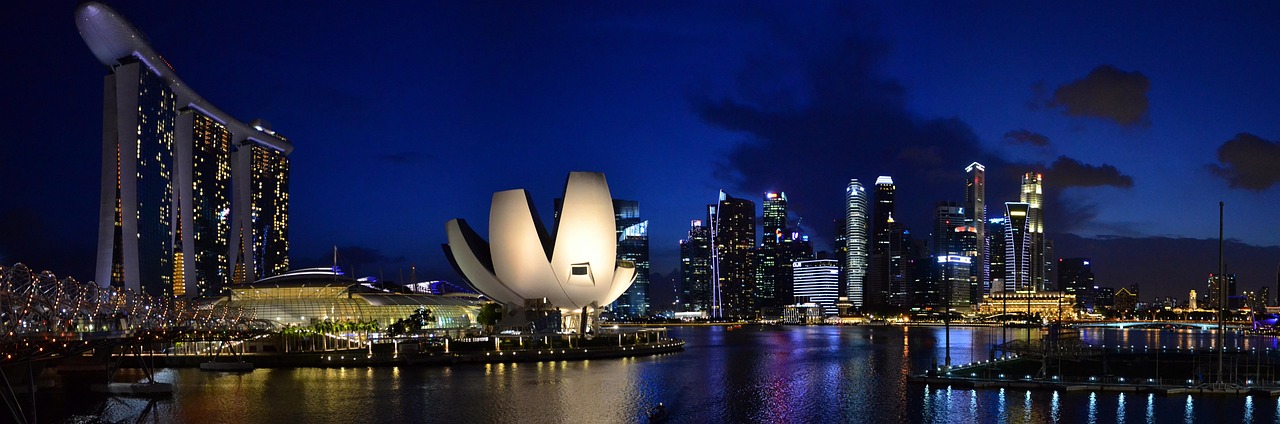
Singapore, known for its strict immigration policies and efficient border control, is set to implement a 'No-Boarding Rule' by 2026. This rule is expected to have significant implications for travelers entering the country. Singapore's immigration authorities aim to streamline entry processes and prevent cases of visa overstays, a prevalent issue in the city-state. With these changes on the horizon, travelers and airlines alike must prepare for alterations to the standard travel procedures.
Key Takeaways
- The 'No-Boarding Rule' will be implemented in Singapore by 2026 to enhance immigration control.
- Travelers must ensure all documentation is in order prior to boarding to avoid complications.
- Airlines will play a crucial role in enforcing this rule, impacting their boarding procedures.
Understanding the No-Boarding Rule
The No-Boarding Rule is a regulation set to be introduced by the Singaporean government that mandates airlines to verify the travel documents of passengers before they board flights bound for Singapore. This rule is central to Singapore's effort to curtail illegal overstays and bolster border security. Airlines that fail to comply with these checks could face penalties, making it essential for them to collaborate closely with immigration authorities.
The Rationale Behind the Rule
As of 2023, Singapore has faced challenges with visa overstays, as highlighted by recent cases where individuals overstayed their visas for extended periods, such as the example of a domestic worker who overstayed for 34 years. The introduction of the No-Boarding Rule is a proactive measure to prevent such occurrences by ensuring that only passengers with valid entry credentials can board flights to Singapore.
Implementation Timeline and Process
The timeline for implementing this rule has been set for 2026, allowing airlines and other stakeholders ample time to adjust their systems and processes. This regulation will necessitate the installation of verification technology at check-in counters to authenticate travel documents and visas electronically.
Impact on Airlines and Travelers
The introduction of the No-Boarding Rule will significantly impact the responsibilities of airlines and the travel experience of passengers. Airlines will need to integrate additional checks into their current boarding procedures, possibly leading to longer processing times at airports.
Airline Responsibilities
Airlines will be at the forefront of enforcing the No-Boarding Rule, being required to establish robust systems for verifying the documents of passengers before boarding. Failure to comply could result in fines and other penalties imposed by Singaporean authorities. Therefore, airlines must invest in technology and training to ensure compliance with the new regulations.
Traveler Preparations
Travelers planning to visit Singapore will need to be more diligent in ensuring that all their travel documents, including passports, visas, and any other required permits, are valid and up-to-date. It is advisable for travelers to verify their documents well in advance of their travel dates to avoid being denied boarding. Additionally, travelers should be prepared for possible delays during check-in as airlines implement the new verification processes.
Conclusion
The No-Boarding Rule represents a significant shift in Singapore's immigration policy, underscoring the country's commitment to maintaining stringent border controls. Travelers and airlines must adapt to these changes to ensure smooth travel experiences and compliance with Singapore's laws. As 2026 approaches, staying informed about the latest developments and ensuring preparedness will be crucial for anyone planning to travel to Singapore.
Sources and important context
- Airlines Brace for Singapore’s No-Boarding Rule
- Singapore, Malaysia, and Indonesia Brace for 2026 Immigration Changes as Airlines Enforce No-Boarding Policies for Foreign Travelers – Here’s What You Need to Know
- Singapore Entry Becomes Harder as Airlines Set No-Boarding System in 2026
AI-assisted immigration information. Confirm current requirements with the relevant government authority or a qualified professional before acting.