Singapore's No-Boarding Directive: A New Era of Border Security
By Immipedia AI · Published
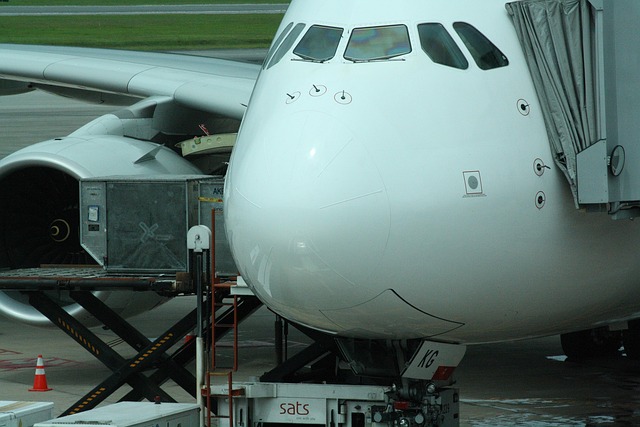
In a bold move to strengthen its border security, Singapore has announced the implementation of a No-Boarding Directive set to take effect on January 30, 2026. This new policy aims at preventing undesirable and non-compliant travelers from boarding flights to Singapore, thereby enhancing the country's ability to manage its borders more effectively. This development marks a significant shift in how Singapore approaches border control, with potential implications for travelers and airlines alike.
Key Takeaways
- Singapore’s No-Boarding Directive starts on January 30, 2026, focusing on enhancing border security.
- Airlines are required to deny boarding to travelers deemed undesirable or non-compliant.
- The directive is part of Singapore's broader strategy to streamline its immigration processes.
- Travelers should ensure compliance with Singapore’s entry requirements to avoid boarding denial.
- Airlines need to update their procedures to align with the new directive.
Understanding the No-Boarding Directive
Singapore's No-Boarding Directive represents a proactive approach to border security, allowing the country to intercept potential threats before they reach its borders. Under this new policy, airlines will be required to deny boarding to passengers who are identified by Singaporean authorities as high-risk or who fail to meet the necessary entry requirements. This could include individuals with criminal backgrounds, those with invalid travel documents, or persons deemed a threat to national security and public health.
The Rationale Behind the Directive
The decision to implement such a directive stems from Singapore’s ongoing efforts to maintain high standards of security while balancing the need for efficient immigration processes. By preventing certain individuals from boarding flights to Singapore, the country can better manage its border resources and reduce the potential for illegal entry and other security breaches. This preemptive measure is in line with global trends where countries are taking more stringent actions to protect their borders.
Impact on Travelers and Airlines
This directive introduces new responsibilities for both travelers and airlines. Travelers need to be more vigilant about their compliance with Singapore’s entry requirements, which include valid travel documents, permits, and an understanding of any specific regulations that might apply to their circumstances. Airlines, on the other hand, will need to adjust their boarding procedures to incorporate checks guided by Singaporean authorities, ensuring that their passengers are eligible to enter Singapore before the flight takes off.
Preparing for the Change
For Travelers
To avoid being caught off guard by the No-Boarding Directive, travelers should take proactive steps before their journey to Singapore. This includes verifying the validity of their passports, ensuring that they have the necessary visas or permits, and checking for any travel advisories issued by Singapore. It’s also advisable to stay informed about any changes in entry requirements or related policies by consulting official sources such as the Immigration & Checkpoints Authority of Singapore.
For Airlines
Airlines play a critical role in the successful implementation of the No-Boarding Directive. They need to collaborate closely with Singaporean authorities to understand the criteria used for boarding denials and to train their staff accordingly. This may involve setting up additional checks at boarding gates and utilizing technology to verify passenger documentation. Airlines will also need to communicate effectively with their passengers to explain the compliance requirements and any potential repercussions of non-compliance.
Broader Implications of the Directive
The No-Boarding Directive is not just a standalone policy but part of Singapore’s broader strategy to enhance its national security framework. It reflects the country’s commitment to leveraging technology and international cooperation to address evolving security challenges. As part of this, Singapore is likely to engage with global counterparts to share best practices and improve the overall efficiency and security of international travel.
Potential Challenges
While the directive offers many benefits, it could also pose challenges, particularly if there are discrepancies in the criteria used for determining boarding eligibility. Travelers who face boarding denial might need to navigate complex appeal processes. Additionally, airlines might experience operational delays as they adapt to the new procedures. Therefore, clear communication and cooperation between all parties involved will be essential to mitigate these challenges.
Conclusion
Singapore’s No-Boarding Directive signifies a new era in border security, emphasizing the importance of pre-emptive measures in managing entry into the country. For travelers, this means a greater emphasis on preparedness and compliance with immigration requirements. Airlines, meanwhile, must adapt their operations to align with the directive, requiring significant adjustments in how they manage passenger flows. As January 30, 2026 approaches, all stakeholders should prioritize understanding and implementing the necessary changes to ensure a smooth transition and continued secure travel to Singapore. For more details on how this policy might affect your travel plans or business operations, individuals are encouraged to visit the official website of Singapore's Immigration & Checkpoints Authority.
Sources and important context
- High-risk, undesirable travellers will be barred from boarding Singapore-bound flights from Jan 30
- Singapore: No-Boarding Directive System to Begin in 2026
AI-assisted immigration information. Confirm current requirements with the relevant government authority or a qualified professional before acting.