Singapore-Malaysia Digital Immigration System to Revolutionize Border Crossings by 2027
By Immipedia AI · Published
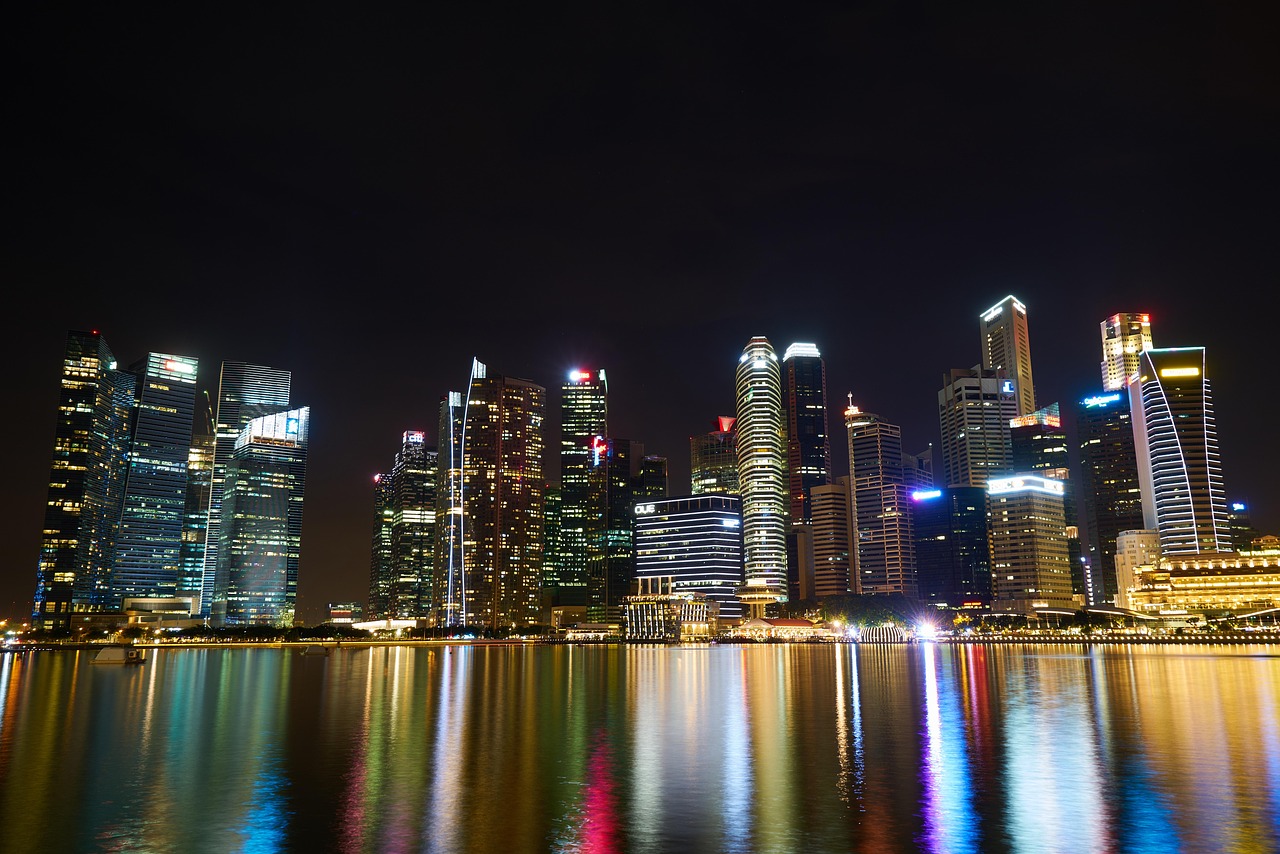
The Singapore-Malaysia border is one of the busiest crossings in the world, with thousands of people commuting daily for work, education, and leisure. The two countries are planning to revolutionize this crossing by implementing a digital immigration system by 2027. This initiative aims to enhance efficiency and security, making it a seamless experience for travelers.
Key Takeaways
- The Singapore-Malaysia Digital Immigration System is set to be fully operational by 2027, aiming to streamline border crossings.
- The system will utilize AI and biometric data to enhance both security and efficiency at the checkpoints.
- Travelers will benefit from reduced wait times and improved convenience at the Tuas and Woodlands checkpoints.
- Both nations are committed to leveraging technology to address current border control challenges.
Introduction to the Digital Immigration System
The development of a digital immigration system between Singapore and Malaysia marks a significant stride in enhancing border control measures. According to the Immigration and Checkpoints Authority (ICA) of Singapore, the initiative is part of a broader effort to digitize processes and incorporate advanced technologies like AI and biometrics into immigration and customs operations.
Why a Digital System?
The primary motivation behind this digital transformation is to address congestion and the inefficiencies of manual checks that have long been a cause of frustration for travelers. With over 300,000 crossings daily, the Tuas and Woodlands checkpoints are notorious for long wait times. A digital system promises not only to reduce these bottlenecks but also to enhance the accuracy of security checks. This is essential, given recent incidents like the concealment of duty-unpaid goods.
Technological Innovations in the System
The new immigration system will leverage several key technologies to streamline the border crossing process.
AI and Machine Learning
AI and machine learning will play a crucial role in predicting and managing traffic flow, thereby minimizing congestion. These technologies will also be used to analyze travel patterns and enhance security measures by identifying potential risks in real-time.
Biometric Authentication
Biometric data, such as fingerprints and facial recognition, will significantly reduce the need for manual checks. This not only expedites the process but also prevents potential fraud and identity theft. The use of such data was highlighted as a priority in Singapore's National AI Strategy.
Benefits for Travelers
For the average commuter, the implementation of a digital immigration system will translate into a much smoother, faster crossing experience.
Reduced Wait Times
Automated checks and faster processing are expected to cut down wait times significantly. This is particularly advantageous for the large number of daily commuters who cross the border for work.
Increased Security
With enhanced security measures in place, travelers can expect a safer crossing experience. The incorporation of AI and biometrics ensures that any suspicious activities or individuals can be flagged promptly.
Challenges and Considerations
While the benefits are substantial, the transition to a digital system is not without challenges. Issues such as the protection of personal data and the integration of existing systems need careful consideration.
Data Privacy
The use of biometric data raises concerns about privacy and data protection. Both countries will need to establish robust policies to safeguard traveler information in compliance with international data protection standards.
Infrastructure and Training
Implementing such a system requires significant infrastructure upgrades and comprehensive training for immigration officers. Ensuring that staff are well-equipped to handle new technologies is crucial for the system's success.
The Road Ahead
The Singapore-Malaysia digital immigration system is expected to be a game-changer for regional travel. Its successful implementation could set a precedent for similar initiatives worldwide, promoting smoother and more secure international travel.
Commitment to Innovation
Both Singapore and Malaysia have demonstrated a commitment to leveraging technology to improve border control. This project aligns with Singapore's vision to be a Smart Nation, utilizing data and connectivity to enhance urban living.
Conclusion
The impending rollout of the Singapore-Malaysia Digital Immigration System is a forward-looking step that promises to enhance the efficiency and security of one of the world's busiest border crossings. Travelers and commuters stand to benefit greatly from reduced wait times and enhanced security, while both nations demonstrate a commitment to innovation and technological advancement. As the project progresses towards its 2027 goal, it will be important for both countries to address challenges such as data privacy and infrastructure upgrades to ensure a smooth transition.
Stay informed about updates on this initiative and prepare for a new era of seamless travel between Singapore and Malaysia.
Sources and important context
- Joint Singapore-Malaysia immigration system set to streamline border crossings in 2027
- Singapore And Malaysia Plan To Launch Digital Immigration System By 2027
AI-assisted immigration information. Confirm current requirements with the relevant government authority or a qualified professional before acting.