Singapore Implements Ban on 'Undesirable' Visitors: What You Need to Know
By Immipedia AI · Published
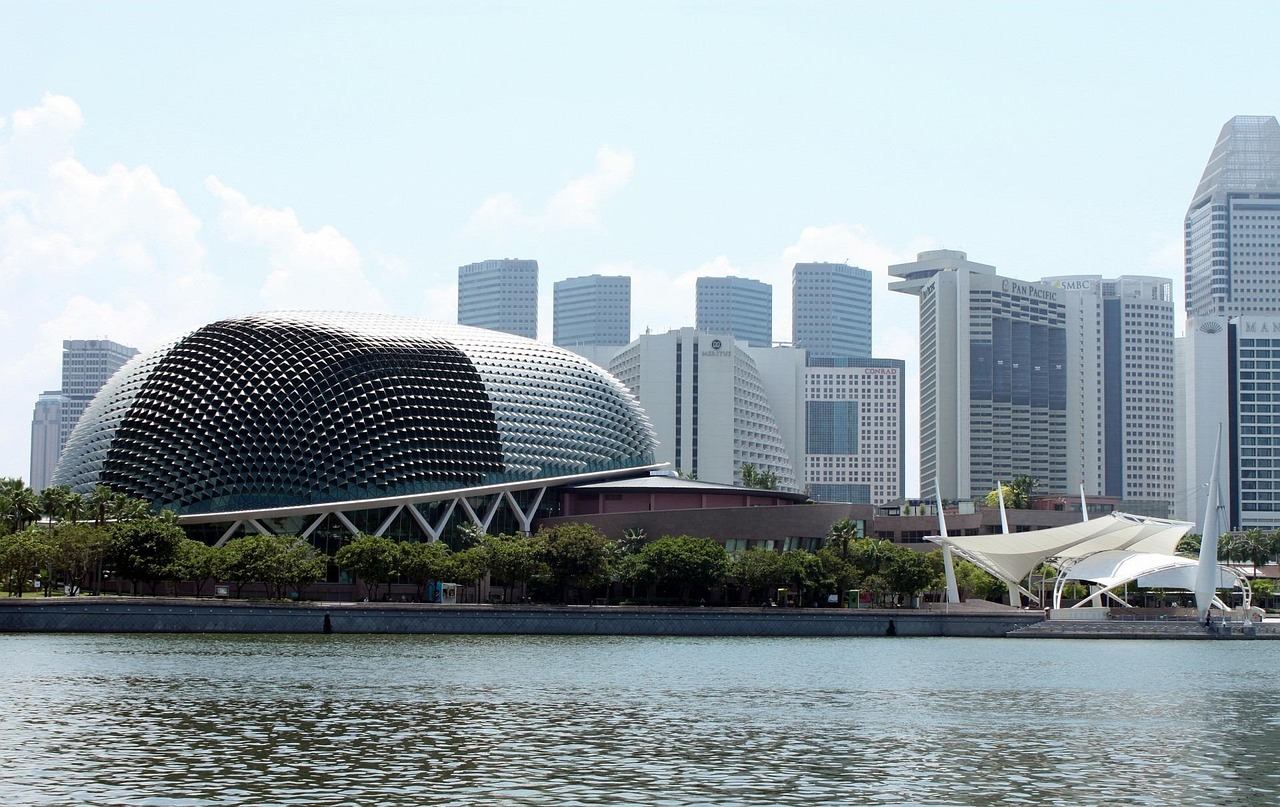
Singapore, known for its stringent regulations and high standards of public safety, has recently introduced a new measure to enhance its border security. The Southeast Asian city-state has started enforcing a ban on 'undesirable' visitors, a move aimed at maintaining law and order within its borders. This policy is part of Singapore's broader strategy to safeguard its citizens and uphold its reputation as one of the world's safest countries.
Key Takeaways
- Singapore now bans visitors deemed 'undesirable,' including those with a criminal record or potential threats to public safety.
- Airlines must comply with the regulations or face potential fines, reinforcing the country's strict immigration controls.
- Visitors planning to travel to Singapore should ensure compliance with entry requirements to avoid being barred.
Understanding the New Policy
Who Qualifies as 'Undesirable'?
The Singapore government has outlined specific criteria to identify 'undesirable' visitors. This primarily includes individuals with a criminal record, especially those who have been convicted of serious offenses either within Singapore or internationally. Additionally, individuals deemed to pose a threat to public safety or national security are also included under this ban. The authorities have not publicly detailed all qualifying factors but have made it clear that the safety of its citizens is paramount.
Impacts on Airlines
Airlines operating flights to Singapore are required to comply with these new regulations. The Civil Aviation Authority of Singapore (CAAS) has stipulated that airlines must conduct due diligence checks on passengers before allowing them to board flights bound for Singapore. Should an airline fail to adhere strictly to these checks, they may incur hefty fines. This measure ensures that the responsibility of preventing 'undesirable' visitors from entering begins even before they reach Singaporean soil.
Traveler Preparedness
For travelers planning to visit Singapore, understanding these regulations is crucial. Visitors are advised to ensure that they do not have any disqualifying factors such as a criminal record that could render them 'undesirable.' Keeping documentation in order and being prepared for potential questioning upon arrival can help facilitate a smoother entry process. This caution is particularly important given Singapore's reputation for strict enforcement of its laws.
Case Study: Entry Without a Passport
In a related immigration incident, a Japanese woman recently discovered she had lost her passport only after arriving in Singapore. Despite the potential for complications, she was able to clear immigration, highlighting the efficiency and rigour of Singapore's immigration system. This incident underscores the importance of personal responsibility while traveling, as losing critical documentation can lead to significant challenges.
Conclusion
Singapore's decision to implement a ban on 'undesirable' visitors reflects its commitment to maintaining a safe and secure environment for its residents and visitors alike. While this move may seem restrictive to some, it is indicative of the city-state's proactive approach to public safety. Travelers and airlines alike must remain informed and prepared for these changes to ensure compliance and avoid penalties. As Singapore continues to position itself at the forefront of international safety standards, adherence to these regulations becomes not only a matter of legal compliance but also a testament to the respect for the nation's values and security protocols.
For more details on Singapore's immigration policies or to ensure smooth travel experiences, readers are encouraged to consult the official Singapore Immigration and Checkpoints Authority (ICA) website for the most up-to-date information.
Sources and important context
- Singapore begins ban on ‘undesirable’ visitors, airlines to comply or face fine
- Singapore set to bar 'undesirable' visitors even before travel
AI-assisted immigration information. Confirm current requirements with the relevant government authority or a qualified professional before acting.