New Zealand Immigration Faces Scrutiny Over 'Flawed' Visa Decisions
By Immipedia AI · Published
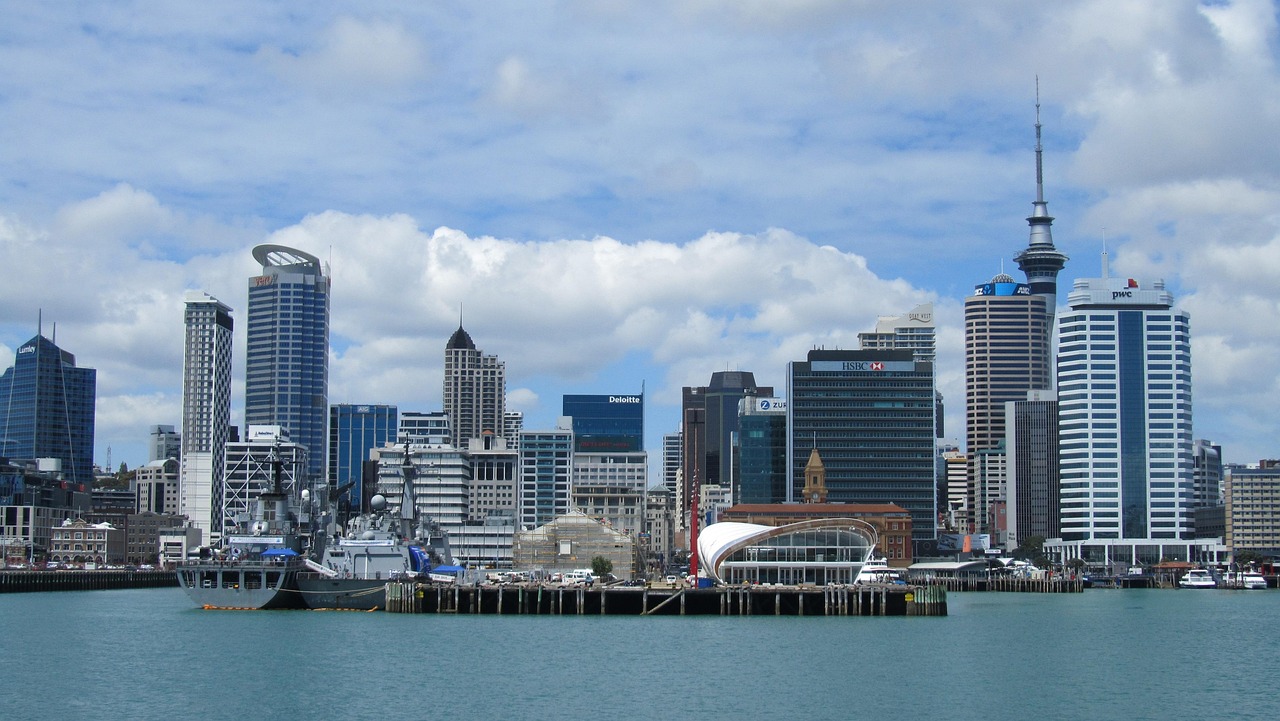
New Zealand's immigration policies have recently come under intense scrutiny due to allegations of 'flawed' visa decisions. Critics argue that these inconsistencies and errors in visa processing have led to unwarranted rejections and delays, affecting both applicants and employers. As New Zealand positions itself as a desirable destination for skilled migrants, it is crucial to address these concerns to maintain its global reputation as a fair and welcoming country.
Key Takeaways
- Recent reports highlight significant errors in New Zealand's visa decision-making process, impacting numerous applicants.
- Calls for increased accountability and transparency in visa processing are gaining traction.
- Potential reforms could provide new pathways and opportunities for skilled migrants.
The Issue at Hand
In recent months, New Zealand's immigration system has faced criticism over alleged mistakes in the visa decision-making process. Reports suggest that numerous applications have been mishandled, leading to unwarranted rejections and processing delays. This has sparked a debate over the integrity and efficiency of the current immigration framework.
Examples of Flawed Decisions
Several instances have been reported where applicants, despite meeting all the necessary criteria, have had their visa applications denied. These rejections often result from errors in judgment or misinterpretations of immigration laws by officials. Additionally, there have been cases where crucial documentation provided by applicants was not adequately reviewed, leading to incorrect conclusions and decisions.
Impact on Applicants and Employers
The ramifications of flawed visa decisions are profound. For individuals, a visa denial can result in significant personal and financial stress, disrupting plans and leading to uncertainty about their future. For employers, particularly in sectors reliant on foreign talent, these errors can contribute to labor shortages and affect business operations.
Consequences for Economic Growth
New Zealand's economy benefits significantly from immigration, particularly in industries such as technology, healthcare, and agriculture. Any hindrances in the immigration process can impact these sectors' ability to attract the necessary talent, ultimately affecting economic growth and innovation. Ensuring a smooth and fair immigration process is thus essential for maintaining economic momentum.
Calls for Accountability and Reform
As the scrutiny intensifies, there have been growing calls for accountability and a thorough review of the immigration decision-making process. Advocates are urging the government to implement more transparent systems and to train officials thoroughly in immigration policies to avoid future errors.
Proposed Changes and Solutions
Some of the proposed reforms include the establishment of an independent oversight body to monitor immigration decisions and processes. This body would ensure that all applications are handled fairly and that any errors are addressed promptly. Additionally, increasing the use of technology and data analytics in processing applications could help minimize human error and improve efficiency.
Path Forward: Opportunities for Skilled Migrants
Despite these challenges, New Zealand remains committed to attracting skilled migrants. The country offers various pathways to permanent residency, which can be appealing to those seeking long-term opportunities. Understanding the nuances of these pathways is essential for potential migrants navigating the immigration landscape.
Permanent Residency Pathways
New Zealand's permanent residency offers migrants the chance to live, work, and study indefinitely. Key pathways include the Skilled Migrant Category, which is points-based, and the Work to Residence visa, which allows individuals to apply for residency after a period of working in the country. Each pathway has specific requirements, and applicants are encouraged to seek professional advice to ensure they meet all criteria.
Conclusion
Addressing the issues surrounding flawed visa decisions is of utmost importance for New Zealand's immigration system. By enhancing transparency, accountability, and efficiency, the country can continue to be a top choice for skilled migrants. For those looking to make New Zealand their home, understanding the current challenges and proposed reforms is vital. As the dialogue around immigration policies evolves, staying informed and prepared can make a significant difference in navigating the complexities of the immigration process.
Sources and important context
AI-assisted immigration information. Confirm current requirements with the relevant government authority or a qualified professional before acting.