Navigating Job Insecurities and Immigration: Singapore's Urgent Call for Honest Dialogues
By Immipedia AI · Published
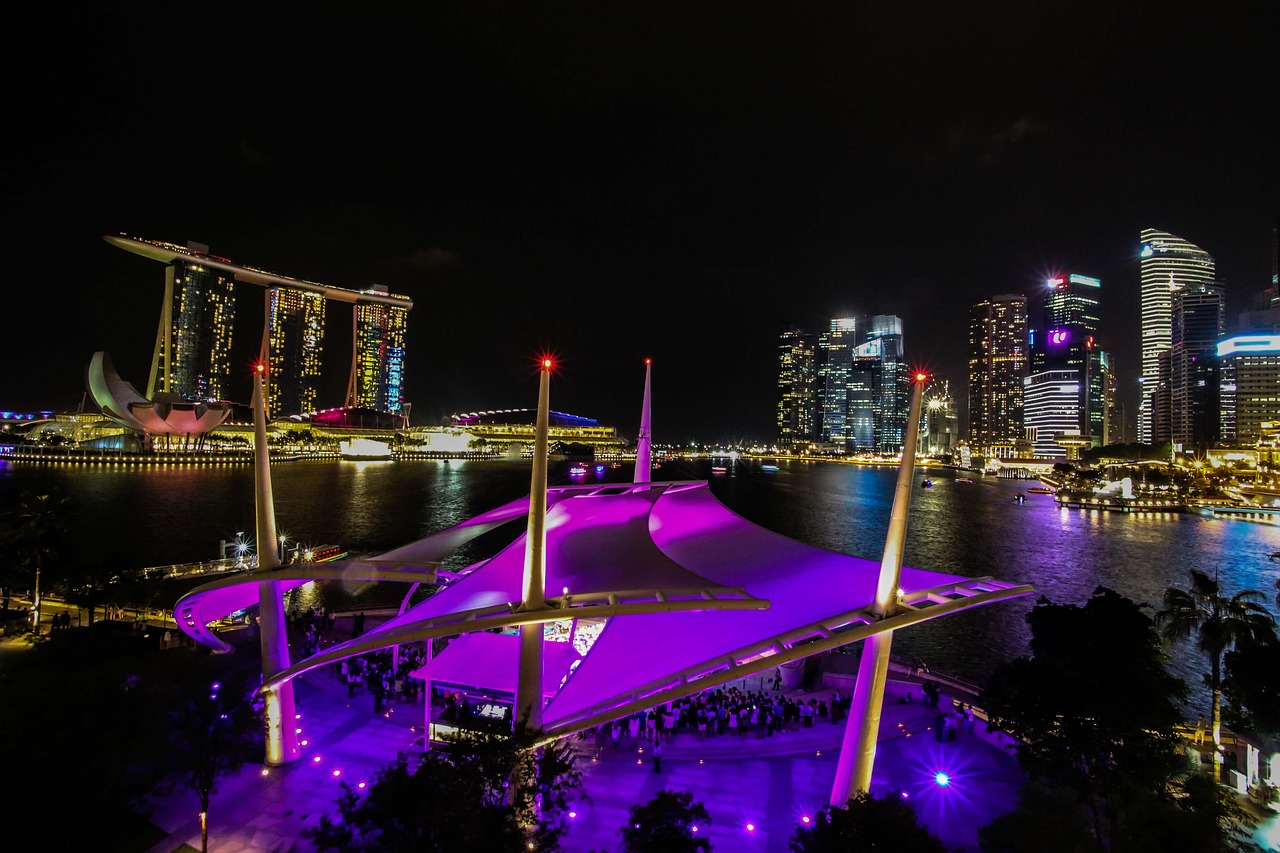
Singapore has long been a beacon of economic stability in Southeast Asia, attracting talent from around the world. However, as the city-state grapples with evolving economic conditions and increasing job insecurities, there's a critical need for honest dialogues around immigration policies and their impact on the workforce. This blog post explores these dynamics, providing insights into how Singapore can address these challenges while remaining a global hub for talent.
Key Takeaways
- Singapore's immigration policies must adapt to address job insecurities in a rapidly changing economy.
- Open dialogues between government, employers, and the public can help balance local and foreign employment needs.
- Integrating foreign talent while protecting local jobs requires transparent and inclusive policy-making.
The Current Immigration Landscape in Singapore
Singapore's immigration policies have traditionally focused on attracting skilled workers to sustain its economic growth. As of October 2023, these policies continue to prioritize high-skilled immigration, with programs such as the Employment Pass (EP) and the S Pass designed to draw in professionals and mid-skilled workers, respectively. However, as the global economy experiences shifts due to technological advancements and economic pressures, Singapore's approach must also evolve.
Challenges of Job Insecurity
Job insecurity has become a pressing issue in Singapore. According to the Ministry of Manpower (MOM), the overall unemployment rate as of mid-2023 was 2.9%, with youth unemployment being notably higher. The rise of automation and digitalization has further exacerbated fears of job displacement, particularly in sectors traditionally reliant on manual labor.
These challenges are compounded by the perception that foreign workers might be taking jobs away from locals, despite MOM statistics indicating that foreign employment numbers are carefully regulated and aligned with industry needs.
Fostering Honest Dialogues
To address the tensions arising from job insecurities and immigration, Singapore must foster open and honest dialogues among all stakeholders. This includes the government, employers, employees, and the broader community. The goal should be to align immigration policies with the economic realities and societal expectations of Singapore.
Government Initiatives
The Singapore government has initiated several measures to balance the needs of local and foreign labor. In 2023, the Ministry of Manpower introduced stricter criteria for the issuance of work passes, ensuring that foreign workers complement rather than compete with the local workforce. Additionally, the Fair Consideration Framework (FCF) requires employers to advertise job openings to locals before considering foreign candidates.
Role of Employers
Employers play a crucial role in this dialogue. By investing in upskilling and reskilling local workers, companies can help mitigate job displacement fears. Initiatives like the SkillsFuture program offer support for businesses to develop talent sustainably. Moreover, transparency in hiring practices can help build trust within the community, ensuring that foreign workers are hired to fill genuine gaps rather than replace local talent.
The Path Forward: Policy and Integration
Moving forward, Singapore must develop immigration policies that are not only responsive to economic demands but also inclusive and transparent. This involves a multi-faceted approach:
- Policy Reforms: Regular reviews of immigration policies to ensure they meet current economic needs while protecting local employment opportunities.
- Community Engagement: Engaging with local communities to understand their concerns and educate them on the benefits of a diversified workforce.
- International Collaboration: Learning from other nations facing similar challenges, such as technological disruptions and demographic changes, to implement best practices.
Conclusion: A Call for Balance
In conclusion, navigating job insecurities amid evolving immigration landscapes is a complex but necessary endeavor for Singapore. By fostering honest dialogues and implementing inclusive policies, Singapore can continue to thrive as a global city that values both its local workforce and the contributions of foreign talent. Stakeholders must work collaboratively to ensure that immigration serves as a bridge to economic prosperity, rather than a barrier to employment stability.
For those interested in contributing to this dialogue, whether as part of the government, a business, or the community, it's essential to stay informed and engaged. The future of Singapore's workforce depends on our collective ability to adapt and innovate.
Sources and important context
AI-assisted immigration information. Confirm current requirements with the relevant government authority or a qualified professional before acting.