Major Changes in UK Immigration Law Set for 2026: What You Need to Know
By Immipedia AI · Published
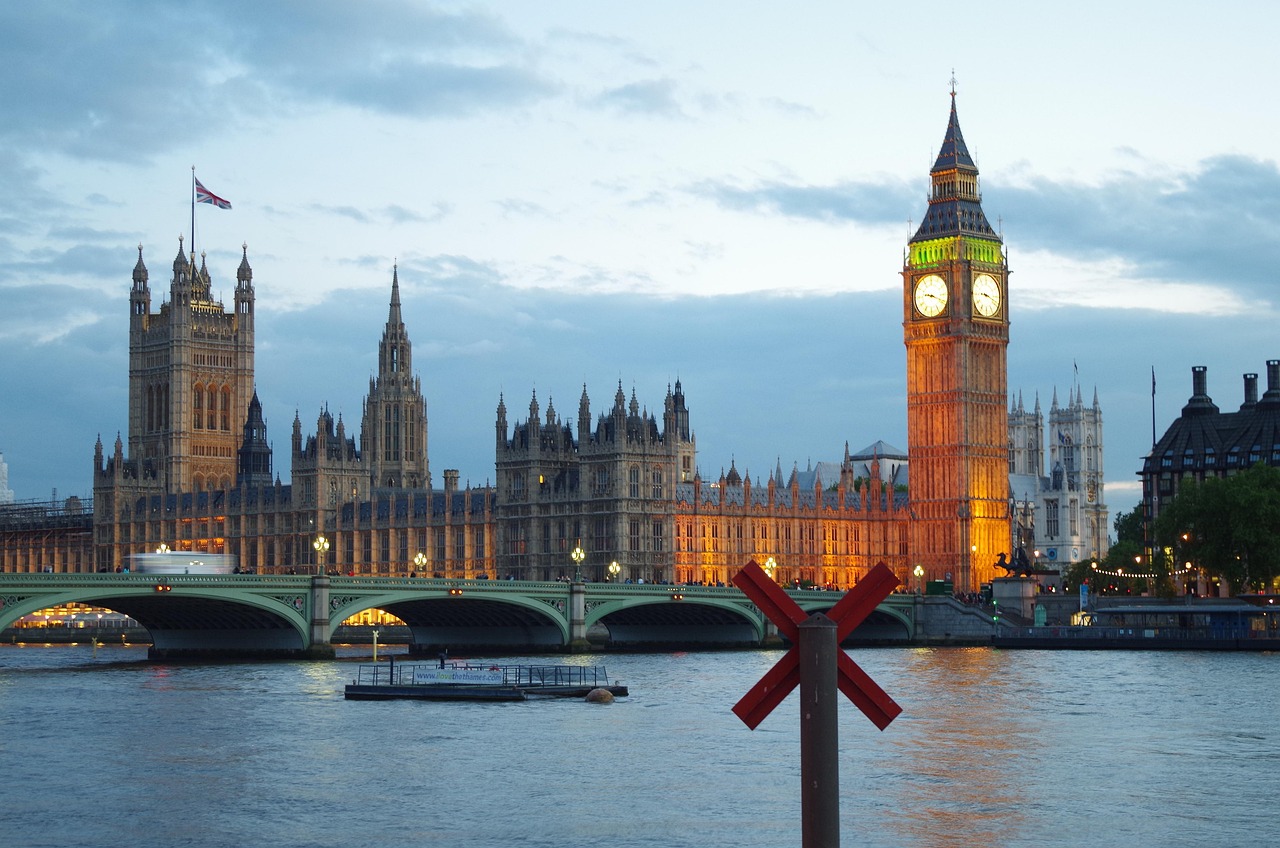
As the United Kingdom continues to navigate its post-Brexit world, its immigration policies are undergoing significant transformations. Set to take effect in 2026, these changes aim to address labor shortages while ensuring the integrity and security of the UK's borders. This blog post will explore the major updates to the UK immigration laws that are on the horizon, what they mean for potential migrants, and how they could impact the UK's socio-economic landscape.
Key Takeaways
- The UK is set to introduce a new points-based immigration system in 2026.
- Changes will focus on attracting skilled workers to address labor shortages.
- Strict measures will be implemented to curb illegal immigration.
The 2026 Points-Based Immigration System
An Overview
In 2026, the UK will fully implement a new points-based immigration system. This system is designed to streamline the migration process for skilled workers, with a focus on critical sectors such as healthcare, technology, and engineering. This move aligns with the UK government's strategy to fill skill shortages in these vital areas. The points system will assess applicants based on criteria such as their educational qualifications, job offers in the UK, proficiency in English, and potential salary levels.
Criteria for Points Allocation
The new system will allocate points based on several factors, including:
- Educational Qualifications: Higher qualifications will earn more points.
- Job Offer: Having a job offer from a UK employer in a shortage occupation will be highly advantageous.
- English Language Proficiency: Demonstrating proficiency in English will be mandatory, with higher proficiency levels earning additional points.
- Salary Levels: Applicants with higher salary offers will gain more points, reflecting the economic value of their roles.
Addressing Labor Shortages
The UK has been grappling with labor shortages in various sectors, exacerbated by Brexit and the COVID-19 pandemic. The new immigration rules aim to attract foreign talent to meet these demands. By prioritizing skilled workers, particularly in sectors like healthcare where shortages are most acute, the UK government hopes to stabilize these critical areas of the economy.
Stricter Measures Against Illegal Immigration
Tackling Unauthorized Entries
Alongside the welcoming of skilled migrants, the UK is tightening measures against illegal immigration. Recent reports have highlighted the issue of illegitimate visa schemes, with cases of individuals paying substantial sums to secure fake visas. The government is committed to eradicating these practices through enhanced vetting processes and stricter penalties for those found violating immigration laws.
Collaboration with International Bodies
To combat illegal immigration, the UK will collaborate with international partners to enhance border security. This includes sharing intelligence and adopting advanced technologies to monitor and manage entry points effectively. These efforts are part of a broader strategy to maintain the integrity and security of UK borders amid global migration challenges.
Potential Impacts on UK Society and Economy
Economic Growth and Innovation
The new immigration framework is anticipated to fuel economic growth by attracting skilled professionals who can contribute to innovation and productivity in the UK. By filling skill gaps, particularly in technology and engineering, the UK positions itself as a competitive leader in these fields on the global stage.
Cultural and Social Dynamics
Immigration has historically enriched the cultural fabric of the UK. As new migrants continue to integrate into British society, they bring diverse perspectives and experiences that contribute to a vibrant, multicultural community. The challenge, however, will be ensuring that integration is smooth and that social services can accommodate the needs of an evolving population.
Conclusion
The 2026 changes to UK immigration law mark a pivotal moment in shaping the future of the nation’s workforce and cultural landscape. By striking a balance between attracting skilled workers and enforcing stricter immigration controls, the UK aims to enhance its global standing while safeguarding its borders. It's essential for potential migrants and stakeholders to stay informed and prepared for these upcoming changes to navigate the new landscape successfully.
For those considering immigration to the UK, understanding these changes is crucial. We recommend consulting with immigration experts and staying updated with official government publications to ensure a smooth transition to the new system. Engage with professional networks and consider attending informational webinars or workshops to gain insights into how these changes might affect your plans or business operations.
Sources and important context
AI-assisted immigration information. Confirm current requirements with the relevant government authority or a qualified professional before acting.