Japan Tightens Visa Regulations Amidst Growing Anti-Foreigner Sentiment: What You Need to Know
By Immipedia AI · Published
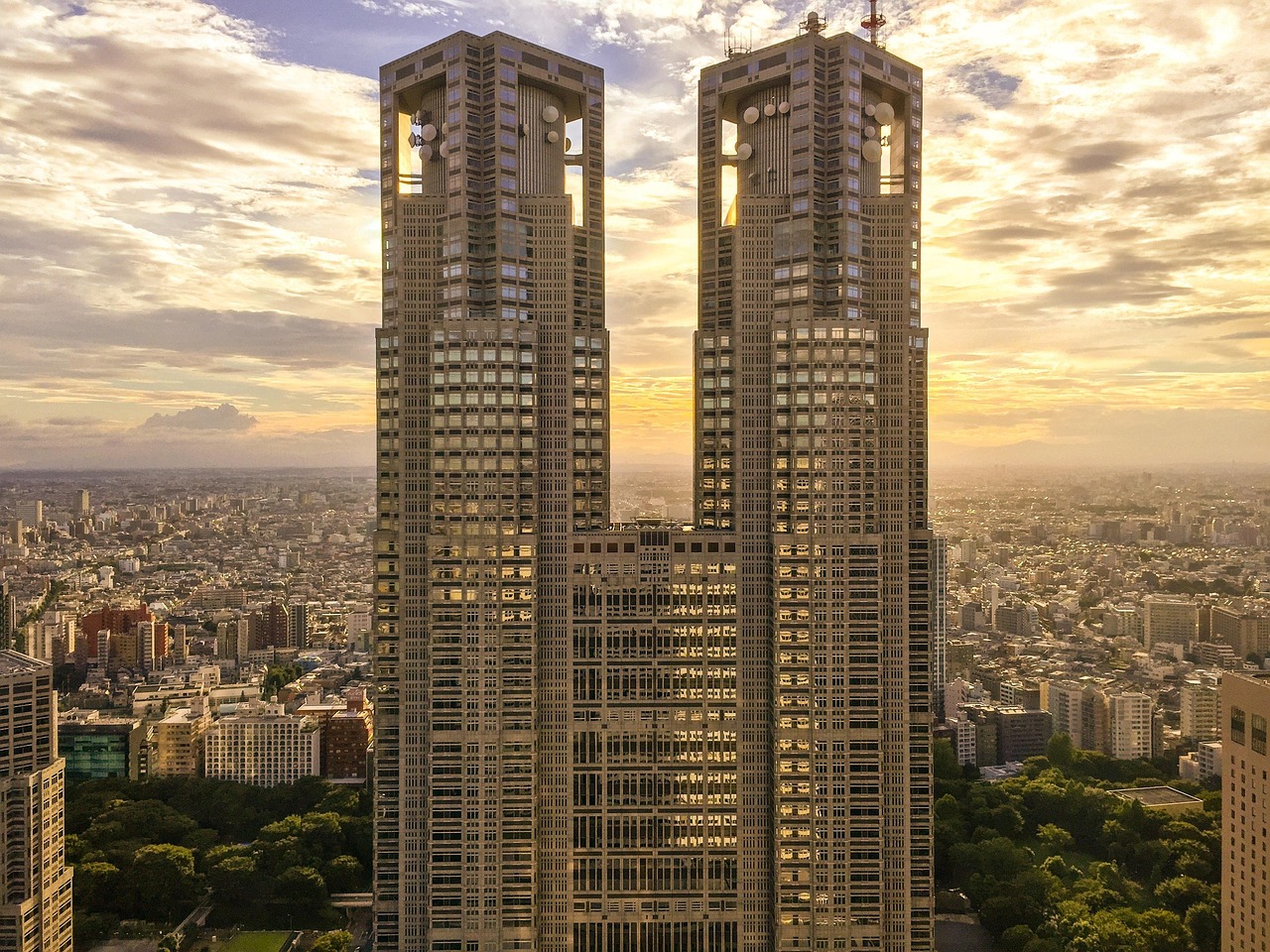
In recent months, Japan has been making headlines with its tighter visa regulations, a response to increasing anti-foreigner sentiment within the country. This shift comes at a time when Japan is grappling with demographic challenges and the need for foreign workforce integration. Understanding these changes is crucial for individuals and businesses looking to work or invest in Japan.
Key Takeaways
- Japan has introduced stricter visa regulations in response to growing anti-foreigner sentiment.
- New policies may impact the ability of foreign workers to enter and stay in Japan.
- Businesses and individuals should stay informed about these changes to navigate the immigration landscape effectively.
Background on Japan's Immigration Policies
Historical Context
Japan has traditionally maintained strict immigration policies, emphasizing cultural homogeneity. Despite an aging population and labor shortages, Japan has been cautious in opening its doors to immigrants. Historically, the country has relied on a limited number of visas, primarily for specialized skills or international businesses, to bring in foreign workers.
Recent Developments
As Japan's popularity has increased globally, a recent survey highlighted a significant anti-foreigner sentiment among the population, prompting the government to tighten visa regulations. These changes have been seen as a means to address public concerns but have sparked debate about their long-term implications on Japan's economy and societal fabric.
Details of the New Visa Regulations
Stricter Eligibility Criteria
Under the new regulations, foreign nationals seeking to work in Japan may face stricter eligibility criteria. This includes enhanced scrutiny of qualifications and work experience. For instance, the Highly Skilled Foreign Professional visa, which was previously more accessible, now requires additional verification steps and documentation to ensure applicants meet the high standards set by Japanese authorities.
Impact on Visa Renewals
Those already residing in Japan on work visas might experience more rigorous renewal processes. The new rules aim to ensure that only those contributing significantly to the Japanese economy or possessing skills in high demand are able to extend their stay.
Impact on International Students
International students, who often transition to work visas post-graduation, may also feel the impact. The revised policies call for stricter monitoring of student progress and employment outcomes to ensure that educational institutions and their students meet government standards.
Implications for Japan's Economy and Society
Economic Repercussions
Japan's stringent visa policies could pose challenges for industries reliant on foreign labor, such as technology and manufacturing. As editorial sources suggest, these policies may drive away essential contributors to the Japanese economy at a time when the country faces significant labor shortages.
Cultural and Social Impact
The tightening of visa regulations reflects broader societal issues, as anti-foreigner sentiment highlights underlying tensions. Events like the Tokyo festival, where refugees and immigrants share their cultures, are vital in fostering understanding and mitigating these sentiments. However, stricter policies might hinder these cultural exchanges, impacting social cohesion.
Strategies for Navigating the New Regulations
Staying Informed and Prepared
For businesses and individuals, it is crucial to stay informed about ongoing changes. Regular consultations with immigration experts or legal advisors can provide insights into navigating the new landscape effectively. Understanding the specific requirements and preparing comprehensive documentation will be key for successful visa applications and renewals.
Advocating for Inclusive Policies
Engagement with local communities and advocacy for more inclusive policies are vital. Supporting organizations and initiatives that promote cultural exchange and inclusive policy-making can help counterbalance the growing anti-foreigner sentiment and contribute to a more welcoming environment for immigrants.
Conclusion
Japan's decision to tighten visa regulations amidst rising anti-foreigner sentiment underscores the complex intersection of immigration policy, economic necessity, and social dynamics. For potential immigrants and businesses, understanding these changes and adapting strategies accordingly is essential. By staying informed and actively engaging with the evolving policy environment, stakeholders can better position themselves to navigate the challenges and opportunities within Japan's immigration landscape.
For further updates and expert guidance on Japan's immigration policies, consider subscribing to our newsletter or consulting with an immigration professional.
Sources and important context
- Editorial: Japan's stricter visa rules could drive away vital supporters of society
- Tighter immigration rules could tarnish Japan’s image, opposition lawmaker says
- Why sentiment in Japan has turned against foreigners despite a worker shortage
AI-assisted immigration information. Confirm current requirements with the relevant government authority or a qualified professional before acting.