Japan Tightens Permanent Residency Rules with New Income Requirements
By Immipedia AI · Published
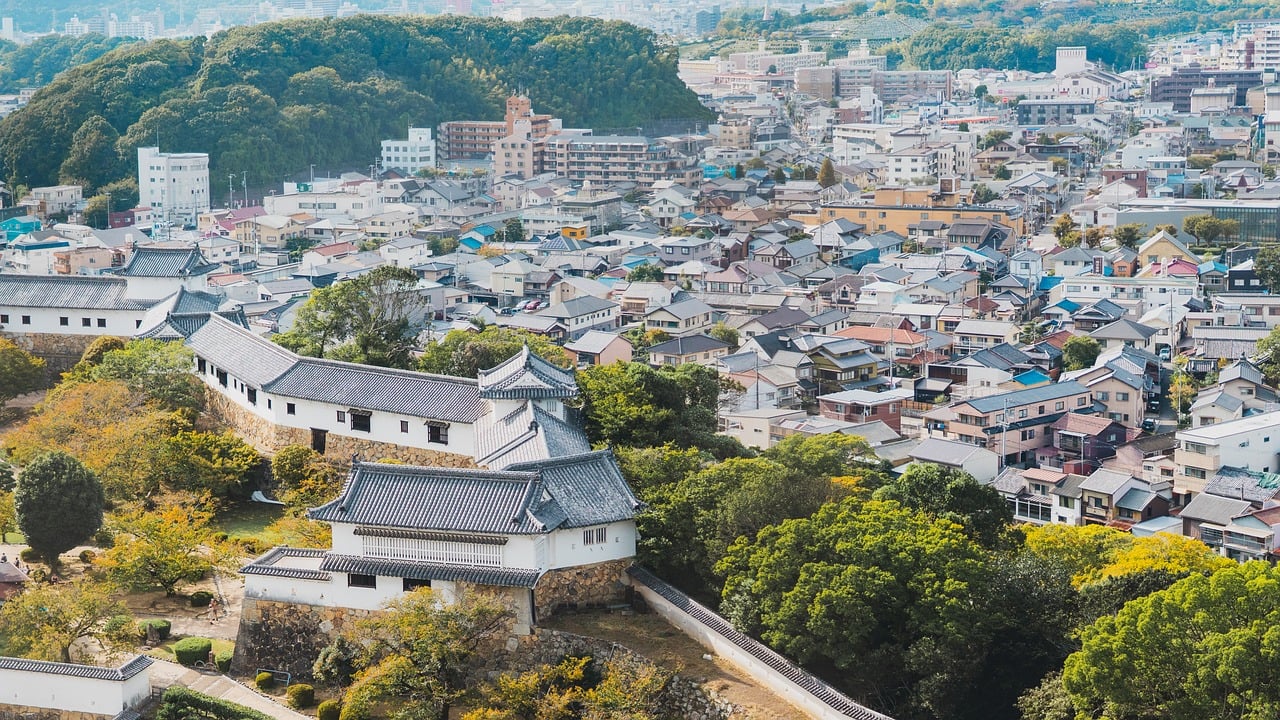
Japan, renowned for its vibrant culture and robust economy, has been a sought-after destination for immigrants globally. Recently, the Japanese government announced a significant reform in its permanent residency regulations, primarily focusing on income requirements. This change reflects Japan's ongoing efforts to attract skilled workers while ensuring economic stability.
Key Takeaways
- Japan's new guidelines require permanent residency applicants to have an income above the average Japanese household income.
- The changes are part of Japan's broader immigration reform to attract skilled foreign workers while maintaining economic standards.
- Individuals seeking permanent residency must be aware of both income thresholds and additional requirements like pension contributions.
Overview of Japan's Permanent Residency Reforms
The recent draft revision by Japan's Immigration Services Agency highlights a shift in the nation’s immigration policies. The key amendment dictates that individuals applying for permanent residency must demonstrate an income that exceeds the national average household income. According to the Ministry of Health, Labour and Welfare, as of 2022, the average annual income for a Japanese household was approximately 5.5 million yen. This sets a new benchmark for residency aspirants to meet.
Implications for Prospective Immigrants
Previously, Japan's permanent residency criteria were more lenient, focusing primarily on the duration of stay and contribution to society. The updated policy introduces a financial component, emphasizing economic self-sufficiency. This change aims to ensure that new permanent residents can support themselves without relying on government assistance, thereby contributing positively to the Japanese economy.
Rationale Behind the Income Requirement
Japan faces a unique set of demographic challenges, including a declining birth rate and an aging population. These factors pressure the social security system, necessitating policies that sustain economic growth and stability. By implementing an income threshold for permanent residency, Japan seeks to attract financially stable immigrants who can integrate successfully into the economy.
Complementary Policy Changes
Alongside income requirements, Japan is also proposing stricter rules regarding social security contributions, such as pensions. These reforms ensure that immigrants not only contribute to the workforce but also participate in the national social security system, which is crucial for Japan’s long-term economic health.
Impact on Skilled Workers
While the income requirement might seem restrictive, it aligns with Japan’s strategic goal of attracting skilled professionals. In parallel, Japan has introduced policies allowing a five-year stay for skilled workers, making it more attractive for professionals in high-demand sectors like technology and healthcare. These measures reflect Japan’s commitment to balancing its need for skilled labor with economic safeguards.
Advice for Potential Applicants
Prospective permanent residency applicants should carefully assess their financial standing against the new income benchmarks. Those falling short might consider seeking higher-paying positions or additional income streams. Additionally, staying informed about ongoing policy changes and consulting with immigration experts can provide valuable guidance through the application process.
Conclusion
Japan's updated permanent residency rules are a reflection of its evolving approach to immigration, balancing the need for skilled workers with the economic demands of an aging population. For those interested in making Japan their permanent home, understanding and meeting these new requirements is crucial. As Japan continues to refine its immigration policies, staying informed and prepared will be key for potential applicants.
For those seeking permanent residency in Japan, consider evaluating your financial position and exploring opportunities for career advancement to meet the new income criteria. Engaging with immigration consultants or legal experts can provide additional clarity and enhance your chances of a successful application.
Sources and important context
- Japan to require above-average incomes for permanent residency
- Japan proposes tougher income, pension rules for permanent residency
AI-assisted immigration information. Confirm current requirements with the relevant government authority or a qualified professional before acting.