Japan Tightens Immigration Rules: Stricter Residency Conditions and Visa Fee Hikes
By Immipedia AI · Published
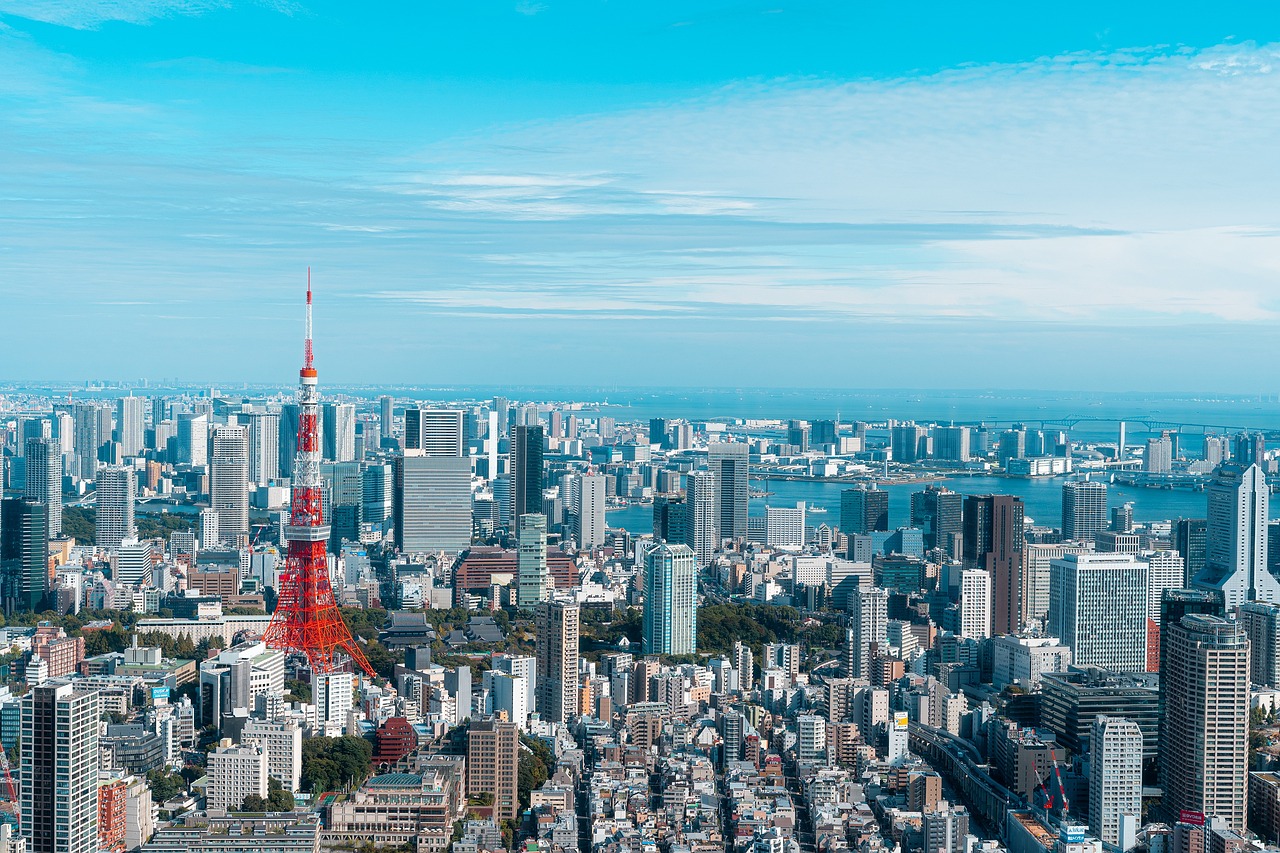
Japan, a country renowned for its rich cultural heritage and technological advancement, is taking significant steps to tighten its immigration rules. Recent announcements suggest that the Japanese government, led by Prime Minister Sanae Takaichi, is implementing stricter conditions for permanent residency and citizenship, alongside increasing visa fees. These changes are part of Japan's broader strategy to address public concerns while preparing for an anticipated increase in foreign labor, a necessity for the country’s economic future. This article delves into the specifics of these new regulations and their implications for foreigners seeking to reside in Japan.
Key Takeaways
- Japan plans to implement stricter conditions for permanent residency and citizenship.
- Visa fee hikes are expected to address burgeoning tourism and foreign resident growth.
- Property purchases by foreigners will undergo more thorough reviews.
- The reforms aim to balance public concern with the country's labor needs.
- Understanding these changes is crucial for potential immigrants to Japan.
Stricter Residency Conditions
In a move that underscores Japan's cautious approach to immigration, Prime Minister Sanae Takaichi announced plans to tighten the criteria for obtaining permanent residency and citizenship. These changes, expected to be fully implemented by 2026, will require applicants to meet more rigorous standards than before. The specifics of these criteria have not been fully disclosed, but they are likely to include heightened language proficiency requirements, longer periods of continuous residence, and stricter evaluations of applicants' contributions to Japanese society.
Increased Language Proficiency
Language proficiency has long been a significant factor in the residency process, but new regulations suggest an even greater emphasis. Prospective permanent residents may need to demonstrate higher levels of fluency in Japanese, possibly through standardized tests. This change aligns with Japan’s intent to ensure that new residents can integrate smoothly into society, contributing effectively to the community and economy.
Extended Residency Requirements
Additionally, the duration of continuous residence required before applying for permanent residency may be extended. Currently, long-term residents must have lived in Japan for at least ten years, with some exceptions for those on highly skilled professional visas. The new rules might raise this threshold, making the path to residency more stringent, potentially extending it to 12 or even 15 years for some applicants.
Visa Fee Increases
The cost of renewing visas and applying for new ones is also set to rise significantly. These fee hikes are part of Japan's strategy to modernize its immigration system in response to a surge in tourism and an increase in the foreign resident population. While the exact figures of these increases are still under deliberation, they represent a substantial adjustment aimed at supporting the administrative costs associated with handling more applications and ensuring robust security checks.
Impact on Tourism and Foreign Labor
Japan is a major tourist destination, welcoming millions of visitors annually. The increased visa fees are seen as a measure to manage this influx efficiently, ensuring that resources are available to maintain and enhance the quality of services provided to both tourists and potential long-term residents. For foreign workers, particularly those from neighboring Asian countries, these costs could influence decisions about seeking employment in Japan, potentially affecting sectors heavily reliant on foreign labor.
Property Purchase Regulations
Another significant change involves the tightening of regulations surrounding property purchases by foreigners. This move is designed to address concerns about foreign influence in strategic areas. The government plans to scrutinize transactions more closely, especially those involving land near military installations and critical infrastructure. This initiative reflects a broader geopolitical strategy to safeguard national interests while balancing economic imperatives.
Balancing Public Concerns
These regulatory changes also serve to address public concerns about the impact of immigration on Japanese society. By ensuring that the process of gaining residency and owning property is rigorous, the government aims to reassure the public that immigration will be managed responsibly and sustainably.
Conclusion: What This Means for Potential Immigrants
For those considering Japan as a new home, these changes mean a more challenging and potentially more costly immigration process. Prospective immigrants must prepare by improving their Japanese language skills, understanding the new residency timelines, and budgeting for higher visa fees. It's crucial for potential immigrants to stay informed about these developments, seeking guidance from immigration experts or legal advisors to navigate the evolving landscape effectively.
Japan's immigration reforms are a calculated step towards balancing the need for foreign labor with national security and public sentiment. As the country continues to adapt to global pressures and domestic needs, staying informed will be key for anyone looking to make Japan their new home.
Sources and important context
- Japan is right to rethink its immigration approach
- Japan Takes Bold Step to Modernize Immigration System with Substantial Visa Fee Increases Addressing Unprecedented Tourism Surge and Foreign Resident Growth
AI-assisted immigration information. Confirm current requirements with the relevant government authority or a qualified professional before acting.