Japan's New Visa Rules: A Challenge for Foreign Residents and Businesses
By Immipedia AI · Published
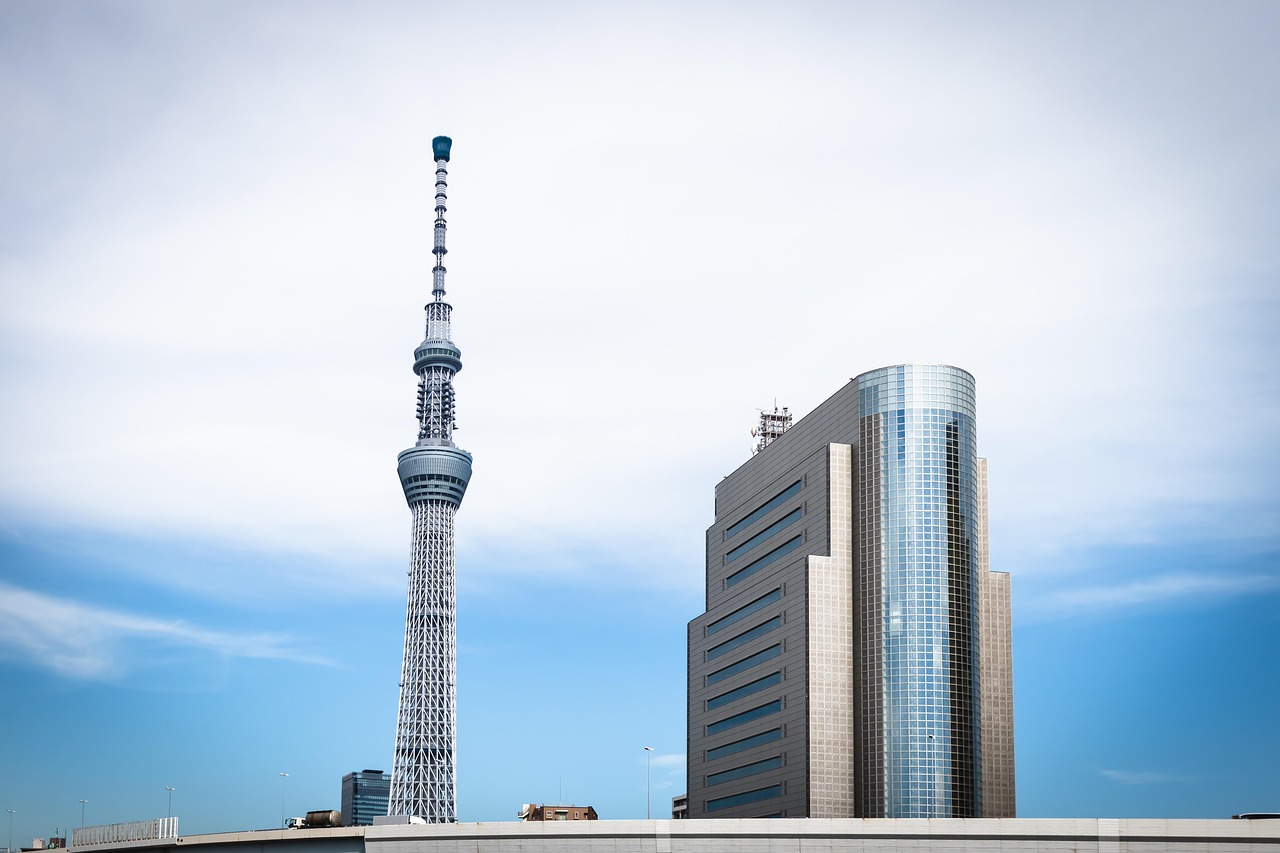
In 2026, Japan introduced a series of new visa rules as part of a global trend of tightening immigration policies. These changes are set to impact foreign residents, businesses, and international travelers significantly. With stricter digital borders, heightened visa fees, and intensified immigration screenings, Japan joins countries like the United States, Australia, and Vietnam in reshaping global travel and foreign worker entry requirements.
Key Takeaways
- Japan's new visa rules, effective from July 2026, impose stricter measures on foreign residents and businesses.
- Increased visa fees and intensified screenings are part of a global trend in immigration policy changes.
- Foreign workers and businesses may need to reassess their strategies and compliance with the new requirements.
Background of Japan's Visa Policy Changes
Japan's visa policy changes reflect a larger global shift toward more stringent immigration controls. As part of this policy realignment, Japan aims to tighten digital borders and enhance security measures across its immigration processes. This development follows similar moves by countries like the United States and the United Kingdom, which have also ramped up immigration enforcement.
Factors Driving the Policy Changes
The primary drivers behind Japan's updated visa rules include national security concerns and the need to manage foreign worker inflow more effectively. With the increasing global movement of people and the risks associated with unregulated migration, the Japanese government aims to ensure that all entrants meet specific security, health, and economic criteria.
Impacts on Foreign Residents and Businesses
Foreign residents and businesses operating in Japan will face significant changes due to the new visa rules. For individuals, the updated policies might mean more rigorous procedures for visa applications and renewals. Businesses, especially those dependent on foreign workforce, may see increased operational costs and compliance challenges.
Challenges for Foreign Residents
Foreign nationals residing in Japan may find the new rules a hurdle in maintaining their status or sponsoring family members. Stories like that of Budhathoki Samjhana, who dreamed of becoming a bridge between Japan and Nepal, highlight the personal and emotional impacts of these regulatory changes. Increased fees and scrutiny could discourage long-term settlement and integration efforts.
Business Adaptation Strategies
For businesses, adapting to the new visa regulations will be crucial. Companies may need to reassess their hiring practices and consider additional support for foreign employees navigating the tougher immigration landscape. Establishing compliance departments or hiring immigration specialists could become necessary investments to ensure adherence to legal requirements.
Comparative Global Visa Trends
Japan's visa updates are part of a broader trend among leading nations to tighten immigration policies. Countries across the globe are increasingly prioritizing border security and economic stability in their immigration strategies. The United States, for example, has implemented similar measures to control immigration flow and enhance national security.
Global Immigration Policy Synchronization
This synchronization among countries like Japan, the United States, and Australia suggests a move towards a more standardized approach to immigration, focusing on digitalization and security. By aligning with global partners, Japan ensures its policies are robust and in line with international standards, which might affect how business and personal travel is conducted in the future.
Conclusion and Future Considerations
As Japan embarks on this new phase of immigration policy, foreign residents and businesses must prepare for the challenges ahead. Understanding the specifics of these changes and adapting to them will be essential for continued success in Japan. Businesses and individuals should consider consulting with immigration experts to navigate these changes effectively.
As the world moves into an era of stricter digital borders and enhanced security measures, staying informed and compliant will be crucial. Whether you are a business leader or a foreign resident, preparing for these changes now will pave the way for a smoother transition to Japan’s new immigration landscape.
Sources and important context
- ‘My dream is broken’: Japan visa rules push out foreign residents
- ‘My dream is broken’: Japan visa rules push out foreign residents
AI-assisted immigration information. Confirm current requirements with the relevant government authority or a qualified professional before acting.