Japan's New Immigration Reforms: Stricter Visa and Naturalisation Rules Unveiled
By Immipedia AI · Published
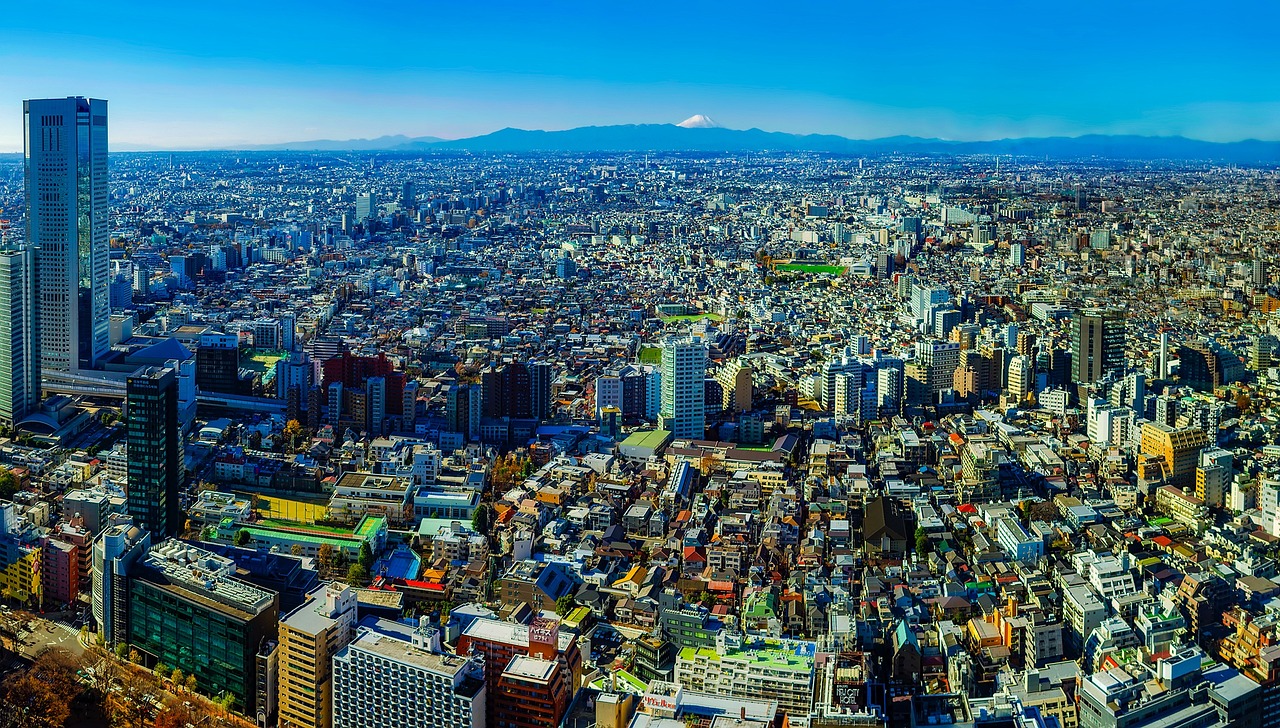
Japan has recently unveiled new immigration reforms that have sparked considerable discussion among those considering moving to or visiting the country. As the nation grapples with labor shortages and a declining population, the government is enacting stricter visa and naturalisation rules. This blog post delves into these recent changes, providing crucial insights for prospective immigrants and visitors alike.
Key Takeaways
- Japan has introduced stricter visa requirements to manage immigration more effectively.
- Naturalisation rules have been tightened to ensure immigrants integrate better into Japanese society.
- Despite a decreasing population, Japan is focusing on selective skill-based immigration.
Japan's Immigration Landscape
Japan has long been known for its cautious approach to immigration. Historically, the country has preferred to maintain a homogenous society, which has often been reflected in its tightly controlled immigration policies. However, in recent years, Japan's declining birth rate and aging population have necessitated a reevaluation of these policies.
Current Challenges
On one hand, Japan faces the economic challenges of a shrinking workforce. According to the World Bank, Japan's population has been steadily declining since 2011, with projections suggesting a further decrease in the coming decades. This demographic shift has put pressure on the labor market, creating a demand for foreign workers.
On the other hand, there remains a strong emphasis on preserving cultural identity, which has resulted in a cautious approach to increasing immigration numbers. Prime Minister Sanae Takaichi has advocated for reforms that tighten immigration rules even as the country faces these labor shortages (Source: undefined).
Stricter Visa Rules
In response to these challenges, Japan has implemented stricter visa rules, aiming to streamline the entry process and ensure that only applicants with the requisite skills and qualifications gain entry. The focus is on attracting highly skilled professionals who can contribute to Japan's economy without compromising social cohesion.
Key Visa Changes
- Points-Based System: Japan is employing a points-based system to evaluate visa applicants, similar to those used in countries like Canada and Australia. Factors such as educational background, work experience, and Japanese language proficiency are taken into account.
- Industry-Specific Visas: Certain industries experiencing acute labor shortages, such as healthcare and technology, have more lenient visa requirements to attract talent.
- Increased Scrutiny: The government has increased the scrutiny of visa applications to prevent illegal immigration and ensure national security.
Tightened Naturalisation Rules
In addition to the visa reforms, the naturalisation process has also become more stringent. Japan offers permanent residency to foreigners who have lived in the country for a certain period, but the conditions to attain citizenship have been made more demanding.
Naturalisation Process
The naturalisation process now places a greater emphasis on cultural assimilation. Applicants must demonstrate a strong understanding of Japanese customs and language proficiency. Moreover, the government has increased the residency requirement period for certain applicants, reflecting the emphasis on integration into society (Source: undefined).
Impact on Prospective Immigrants
These reforms are likely to impact prospective immigrants significantly. While Japan remains open to welcoming foreigners who can fill critical labor gaps, the heightened requirements mean that not all applicants will find it easy to secure a visa or citizenship.
Opportunities and Challenges
- For skilled workers in targeted sectors, opportunities remain robust, with the potential for long-term residency.
- Unskilled workers might find fewer opportunities unless they possess skills in high-demand areas.
- Cultural and language proficiency will be critical for those seeking to settle permanently.
Conclusion
Japan's new immigration reforms indicate a strategic shift towards selective immigration, focusing on skilled workers while maintaining societal stability. For those interested in moving to Japan, understanding these changes and preparing accordingly is crucial. Prospective immigrants should consider enhancing their language skills and cultural knowledge to better align with Japan's integration goals.
For those looking to take advantage of these opportunities, it's advisable to stay informed on policy updates and seek professional guidance to navigate the complexities of Japan's immigration system effectively.
Sources and important context
- Takaichi has promised to tighten rules surrounding immigration, even though Japan is struggling with labour shortages and a falling population
- Japan Introduces New Immigration Reforms to Tighten Visa Regulations, Naturalisation Requirements and More
AI-assisted immigration information. Confirm current requirements with the relevant government authority or a qualified professional before acting.