Japan's New Immigration Plans: A Turning Point for Foreign Workers
By Immipedia AI · Published
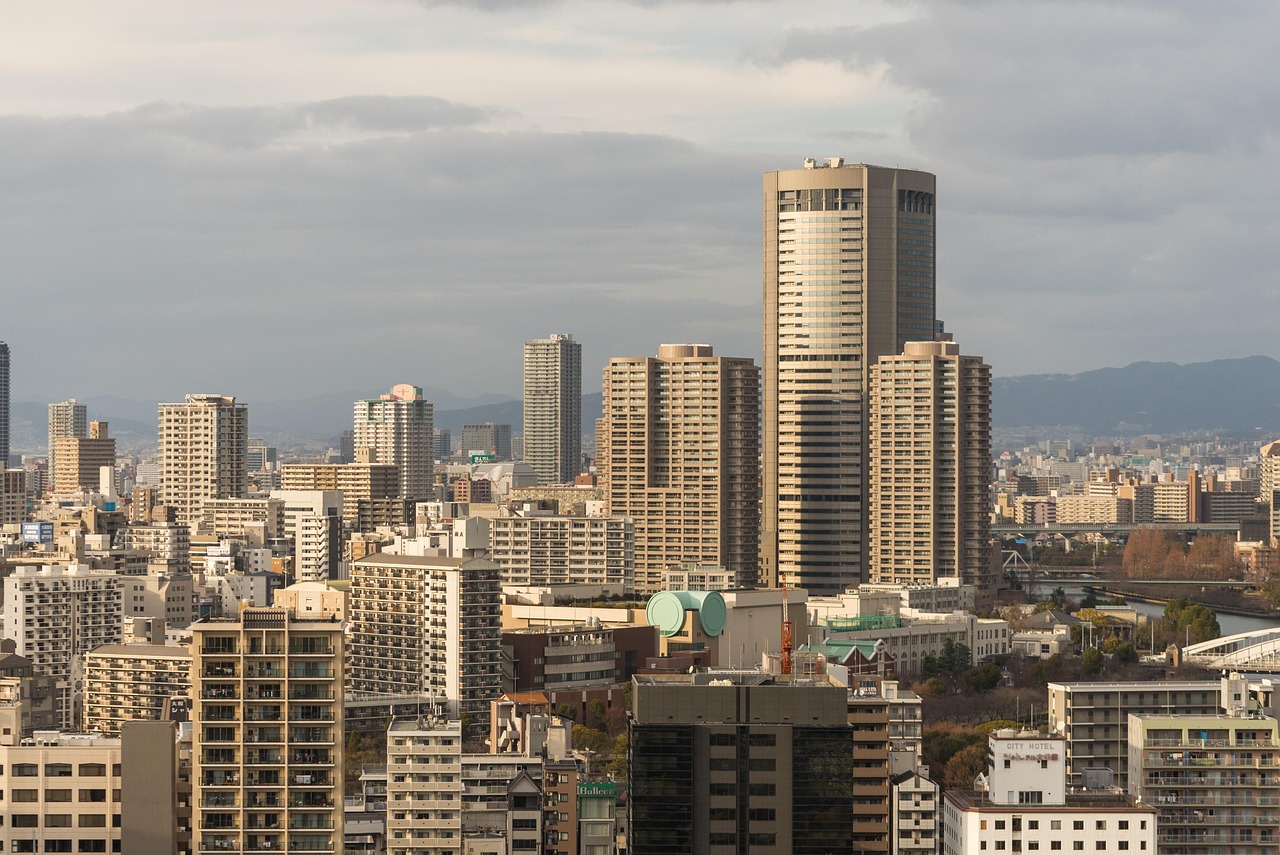
Japan, known for its rich cultural heritage and technological advancements, is now at a critical juncture regarding its immigration policies. The government's recent announcements hint at significant changes that could reshape the landscape for foreign workers in the country. These changes, aimed at addressing labor shortages and economic challenges, are being closely watched by potential immigrants, businesses, and policymakers alike.
Key Takeaways
- Japan plans to revise its immigration policies to attract more skilled foreign workers to address labor shortages.
- New visa regulations may include tighter controls and residency requirements for foreign nationals.
- Education and integration initiatives for foreign-born children are critical components of the proposed changes.
Understanding Japan's Immigration Challenges
Japan is facing a demographic crisis, with a shrinking workforce and an aging population. According to the Statistics Bureau of Japan, the country’s population has been declining since 2008, and the proportion of the population aged 65 and over reached 28.7% in 2022. This demographic shift poses significant challenges to sustaining economic growth and maintaining social systems.
Labor Shortages in Key Industries
The labor shortages are particularly acute in industries such as healthcare, construction, and technology. The Ministry of Health, Labour and Welfare reported in 2022 that there were approximately 1.6 job openings for every job seeker, highlighting the urgent need for a larger workforce.
Current Immigration Framework
Japan's current immigration framework is relatively strict, traditionally favoring homogeneity and cultural cohesion. The Immigration Control and Refugee Recognition Act governs the entry, stay, and residency of foreign nationals. Existing visa categories range from highly skilled professionals to technical interns, but these pathways have been criticized for their complexity and limitations.
Proposed Immigration Reforms
In light of these challenges, Japan is considering comprehensive reforms to attract more foreign workers. According to recent reports, the government is exploring policy changes that will streamline visa processes and potentially introduce new categories aimed at specific skills.
Visa Revisions and New Categories
One of the key proposals is the introduction of a new visa category that targets highly skilled professionals in sectors suffering the most from labor shortages. This move could make it easier for engineers, IT specialists, and healthcare professionals to move to Japan. Additionally, the government is considering revising the residency requirements, making it simpler for qualified individuals to gain permanent residency.
Education and Integration Initiatives
Another pivotal aspect of the proposed reforms includes addressing educational opportunities for foreign-born children. Currently, these children face hurdles in accessing higher education due to visa restrictions. The new plans aim to create more inclusive education policies to ensure better integration and retention of foreign families.
Potential Economic and Social Impacts
The proposed immigration changes are expected to have diverse impacts on the Japanese economy and society. By attracting skilled workers, Japan aims to boost productivity and innovation, particularly in its technology sector. This shift could also lead to increased cultural diversity, potentially enriching the social fabric of Japan.
Challenges and Criticism
Despite these optimistic projections, there are concerns about the implementation of these reforms. Critics argue that the focus on skilled workers might overlook the needs of lower-skilled labor necessary for sectors like agriculture and manufacturing. Moreover, societal acceptance remains a hurdle, as Japan has historically maintained strict immigration controls.
Conclusion: A Strategic Shift in Policy
Japan's new immigration plans represent a strategic shift, acknowledging the need for foreign talent to sustain its economy amid demographic challenges. For potential immigrants, these changes could pave the way for new opportunities, but staying informed and prepared is crucial. As the government finalizes these policies, interested parties should keep abreast of updates and prepare to navigate the new landscape.
For those looking to move to Japan, it is advisable to consult with immigration experts or legal advisors to understand how these changes might affect individual circumstances and to explore the best pathways under the new regulations.
Sources and important context
- Japan Announces Plans for Immigration Change
- Japan aims to take in 1.23M foreign workers under labor migration programs
AI-assisted immigration information. Confirm current requirements with the relevant government authority or a qualified professional before acting.