Japan's Major Tourism Policy Shift: eVisa System Opens for Filipino Travelers
By Immipedia AI · Published
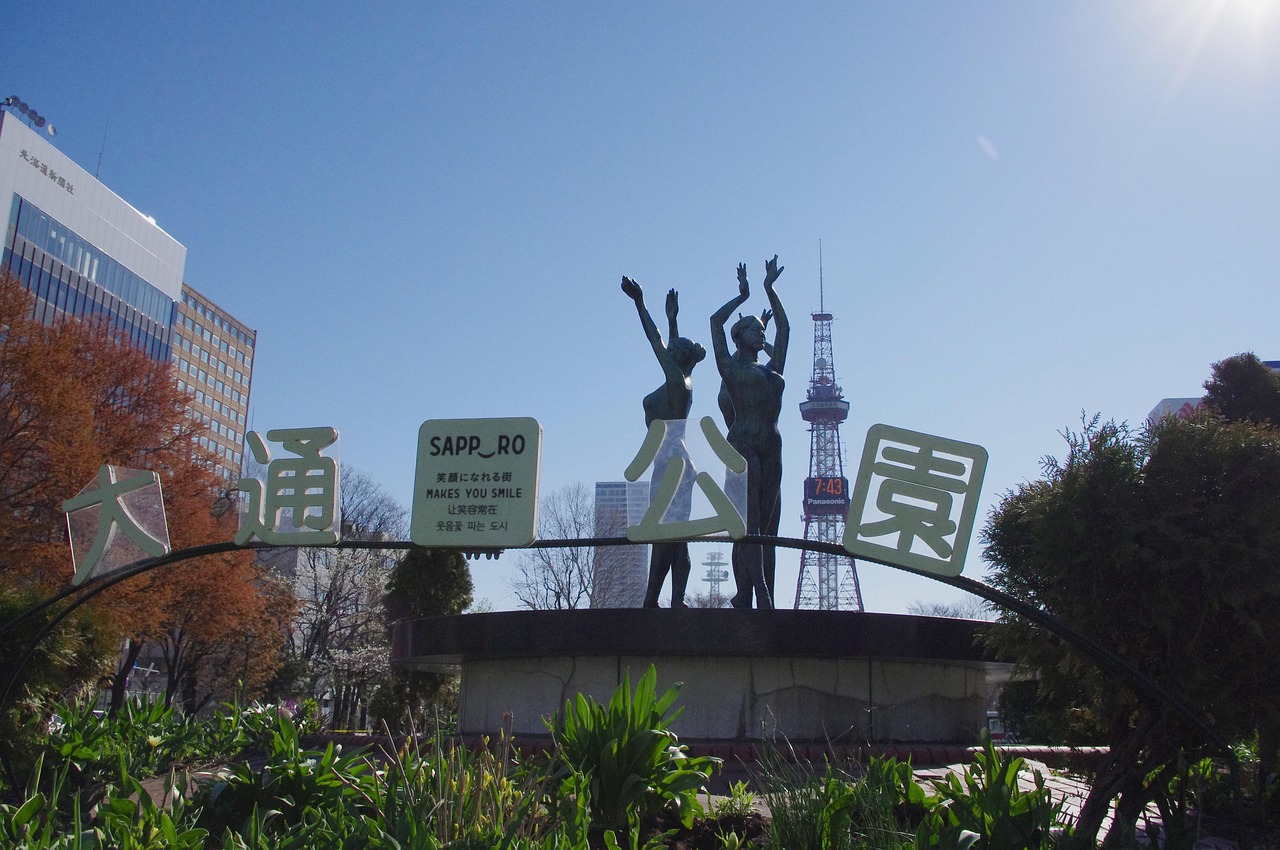
Japan, a nation known for its rich culture and advanced technology, has recently made significant adjustments to its visa policies, affecting travelers from the Philippines. This major shift aims to modernize and streamline the entry process for tourists while enhancing tourism inflow. The implementation of an electronic visa (eVisa) system marks a pivotal change in Japan's approach to welcoming tourists and reflects its ongoing digital transformation in travel and tourism.
Key Takeaways
- Japan has introduced an eVisa system for Filipino travelers, simplifying the visa application process.
- This policy shift is part of Japan's broader plan to digitize travel access by 2026.
- The new eVisa system targets package tour visitors, aiming to boost tourism with streamlined procedures.
The Introduction of eVisa for Filipino Travelers
In a landmark decision, Japan initiated an eVisa system specifically for Filipino travelers, marking a significant shift in its immigration policy. This move is part of Japan's efforts to modernize its visa processing system and facilitate easier access for tourists from the Philippines. The eVisa system is designed to be more efficient and user-friendly, reducing the paperwork and time traditionally associated with visa applications.
Why the Change?
Japan has been progressively enhancing its tourism policies to attract more international visitors. The introduction of the eVisa for Filipinos aligns with the country's strategy to double its tourism revenue by 2030. According to Japan's National Tourism Organization, tourists from the Philippines have been contributing significantly to the local economy, making them a key target for tourism growth (Japan Tourism Statistics, 2023).
How the eVisa System Works
The eVisa system for Filipino travelers is straightforward and designed for convenience. Applicants can submit their applications online, upload necessary documents, and receive their visa electronically without visiting a Japanese embassy or consulate. This process is expected to cut down processing times significantly, allowing for faster travel arrangements. Moreover, the eVisa is currently available for travelers participating in approved package tours, emphasizing Japan's intention to manage and monitor tourist inflows effectively.
Impact on Filipino Travelers
The introduction of an eVisa system is a game-changer for Filipino travelers who wish to explore the wonders of Japan. It opens the doors to hassle-free travel, with the potential to increase the number of tourists visiting the country.
Increased Travel Opportunities
Previously, obtaining a Japanese visa could be cumbersome and time-consuming for many Filipinos. The eVisa system alleviates these issues, making travel more accessible and less daunting for potential visitors. This update is expected to foster a significant increase in tourist arrivals from the Philippines, further strengthening bilateral ties between the two nations.
Economic Benefits
An increase in Filipino tourists is likely to have positive economic repercussions for Japan. More visitors mean a higher demand for local services, accommodations, and attractions, all of which contribute to local economic growth. The ease of obtaining an eVisa is anticipated to catalyze this effect, positioning Japan as a more attractive destination for Filipino travelers.
Japan's Vision for 2026 and Beyond
While the rollout of the eVisa system is a significant step, it forms part of a broader initiative by Japan to digitize its travel and immigration processes by 2026. The country's Immigration Agency has laid out plans for a digital visa rollout that will further streamline the entry process for package tour visitors.
Future Plans for Visa Policy
Japan's future visa policies will likely focus on enhancing digital solutions to manage tourist inflows efficiently. This move not only aims to boost tourism but also to maintain tight control over immigration by allowing the government to better track and manage visitors entering the country. By 2026, Japan envisions a comprehensive digital framework that will support a seamless travel experience for all international visitors.
Conclusion
Japan's implementation of an eVisa system for Filipino travelers marks a significant milestone in its tourism and immigration policy. This forward-thinking approach is indicative of Japan's commitment to embracing technology to enhance visitor experience and manage tourist inflows effectively. As the nation continues to refine its policies towards a fully digitized system by 2026, the eVisa initiative sets a precedence for future developments. For Filipino travelers, this is a welcome change, offering them easier access to explore the cultural and natural beauty that Japan has to offer. Keep an eye on further updates as Japan continues to innovate its travel and immigration landscape.
Sources and important context
AI-assisted immigration information. Confirm current requirements with the relevant government authority or a qualified professional before acting.