Japan's Immigration Policies Under Scrutiny Following Election of PM Takaichi
By Immipedia AI · Published
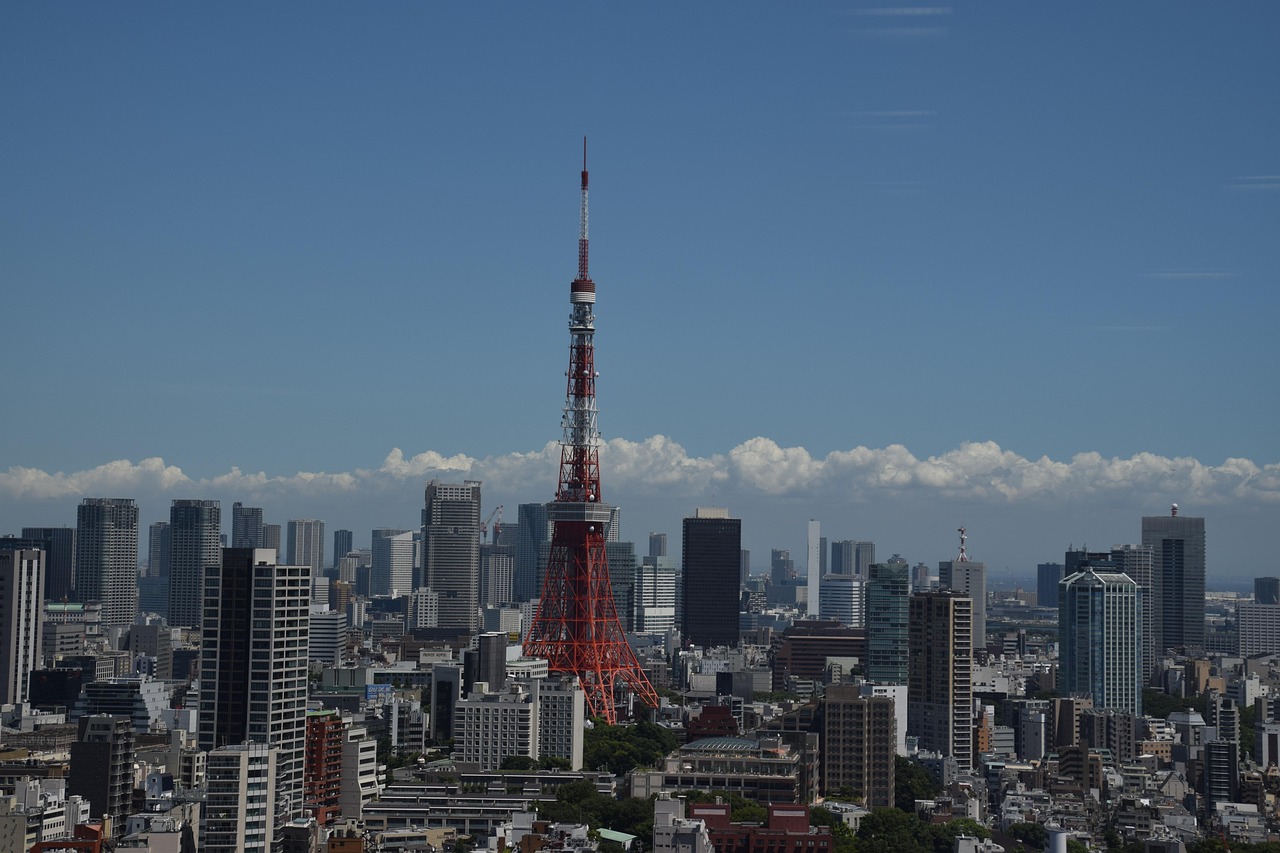
The recent election of Prime Minister Sanae Takaichi has placed Japan's immigration policies under significant scrutiny. Known for her economic strategies and tough stances against immigration, Takaichi's leadership is expected to have a profound impact on Japan’s demographic and labor landscape. As the world’s third-largest economy grapples with an aging population and labor shortages, the new government's immigration stance is a critical point of interest both domestically and internationally.
Key Takeaways
- Prime Minister Sanae Takaichi's election signals a continuation of Japan's restrictive immigration policies.
- Japan faces demographic challenges, including an aging population and declining workforce.
- Future policy changes could impact skilled worker inflows and foreign residents in Japan.
Background on Japan’s Immigration Policies
Historical Context
Japan has historically maintained restrictive immigration policies, emphasizing cultural homogeneity and national security. Despite its status as a developed nation with significant economic clout, Japan's foreign-born population constitutes less than 2% of its total population, a stark contrast to other industrialized countries. Policies have traditionally favored short-term work visas over permanent residency, reflecting a cautious approach to immigration.
Recent Developments
In recent years, Japan has made efforts to open its doors slightly, especially to highly skilled workers and trainees under technical intern training programs. The government introduced a new visa category in 2019 to attract more blue-collar workers, yet these measures have been met with both support and criticism. The election of Prime Minister Takaichi, known for her conservative views on immigration, suggests a potential tightening of these policies.
Prime Minister Takaichi's Tough Stance
Election Mandate
Prime Minister Takaichi’s landslide victory in the snap election is attributed to her firm economic policies and strong nationalistic sentiments, including her stance on immigration. Takaichi has consistently advocated for a reduction in foreign influence, emphasizing Japan’s sovereignty and cultural integrity. Her victory is seen as a public endorsement of her immigration policies, which prioritize national security and cultural preservation.
Policy Implications
Under Takaichi’s leadership, Japan is expected to implement stricter immigration controls. This includes rigorous background checks, more stringent visa requirements, and possibly a reduction in the number of visas issued to foreign workers. Such measures, while aimed at protecting domestic interests, may exacerbate Japan's labor shortages, particularly in industries reliant on foreign workers.
Demographic Challenges
Aging Population
Japan’s population is aging rapidly, with nearly 28% of its citizens aged 65 or older, according to the Ministry of Internal Affairs and Communications. This demographic shift poses significant challenges to the nation’s economy, as it leads to a shrinking workforce and increased pressure on social security systems.
Labor Shortages
The labor market in Japan is already feeling the strain of these demographic changes. Industries such as construction, agriculture, and healthcare face severe workforce shortages. The government’s push for automation and AI can only partially compensate for the lack of human labor, highlighting the need for a pragmatic immigration strategy that balances national interests with economic realities.
Potential Policy Shifts
Balancing Act
While Prime Minister Takaichi’s policies are expected to be conservative, there is speculation that economic necessities may force a more balanced approach. The possibility exists for targeted immigration reforms that encourage the inflow of skilled professionals, potentially easing the labor shortage without significantly increasing the foreign resident population.
Impact on Foreign Residents
Current foreign residents in Japan may face stricter regulations and fewer opportunities for permanent residency under Takaichi’s administration. The societal integration of foreign nationals remains a contentious issue, with public opinion divided on the benefits and drawbacks of increased immigration.
Conclusion
As Japan navigates the complexities of an aging population and economic needs, Prime Minister Sanae Takaichi’s immigration policies will be critically observed by both domestic and international stakeholders. The balance between preserving Japan’s cultural identity and meeting its economic demands through immigration will define the nation’s future trajectory. For potential immigrants and foreign residents, staying informed about policy changes will be crucial in navigating the evolving landscape. It remains to be seen how Takaichi's leadership will shape Japan's immigration framework, but the emphasis on stringent controls suggests a challenging environment ahead.
For those interested in moving to Japan or understanding its immigration dynamics better, it is advisable to consult with immigration experts or legal advisors who can provide up-to-date guidance on navigating the country's policies.
Sources and important context
- Japan’s Sanae Takaichi Wins Snap Election in a Landslide
- How Foreign Residents and Immigration Became a Front-Line Election Issue
AI-assisted immigration information. Confirm current requirements with the relevant government authority or a qualified professional before acting.