Japan Freezes New Visas for Foreign Restaurant Workers as Quota is Reached
By Immipedia AI · Published
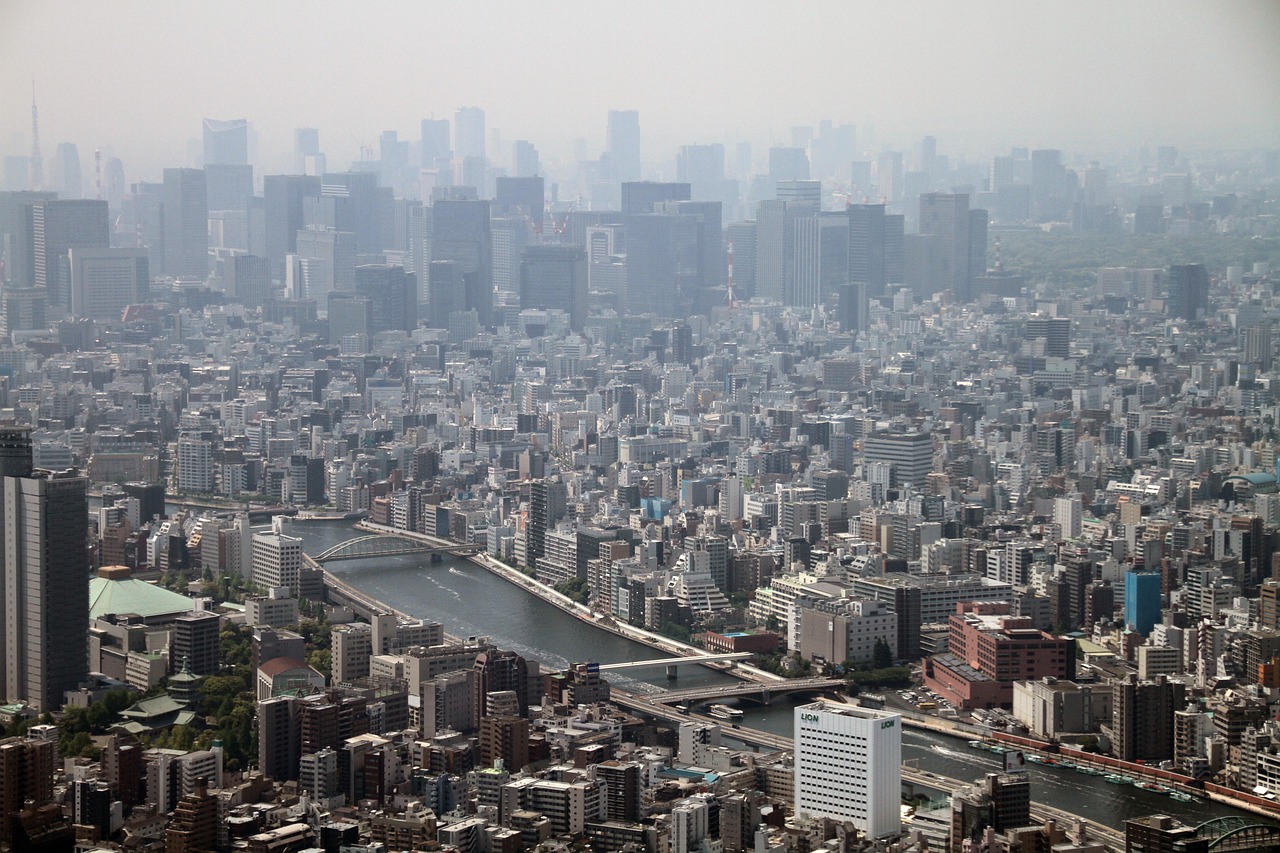
Japan, renowned for its rich cultural heritage and innovative culinary delights, has recently reached a significant milestone in its immigration policy concerning foreign restaurant workers. The government has announced a temporary halt on the issuance of new visas for foreign workers in the restaurant sector due to the quota for specified skilled workers being nearly filled.
Key Takeaways
- Japan has frozen the issuance of new visas for foreign restaurant workers as the quota of 50,000 is reached.
- The suspension is the first since the specified skilled worker system was introduced.
- Applicants must meet strict language proficiency requirements for this visa category.
Understanding the Visa Freeze
The Japanese government has implemented a freeze on new visas for foreign restaurant workers under the Specified Skilled Worker (SSW) status. This move comes as the country nears its predetermined quota of 50,000 workers, marking a significant policy change in Japan’s immigration landscape, especially within the hospitality industry (source: The Japanese government). The decision is both a reflection of the sector's popularity among foreign workers and the government's adherence to its set immigration targets.
Background on the Specified Skilled Worker System
Introduced in April 2019, the Specified Skilled Worker system is part of Japan's strategy to address labor shortages in various industries, including restaurants, construction, and healthcare. The system is divided into two categories: SSW-1 and SSW-2. The former allows workers to reside and work in Japan for up to five years but does not permit family members to join them. The latter provides an opportunity for longer stays and family accompaniment but is limited to industries where advanced skills are required (source: Immigration Services Agency of Japan).
Reasons for the Visa Freeze
Japan's decision to suspend the issuance of new visas for foreign restaurant workers is primarily driven by the near fulfillment of the sector's quota. The restaurant industry, which is heavily reliant on foreign labor, has seen a surge in applications as global travel resumes post-pandemic. With the cap nearly reached, the government aims to manage the influx efficiently and ensure that the system's objectives align with national labor market needs.
Language Proficiency Requirements
A critical component of the SSW visa is the language proficiency requirement. Applicants must pass a Japanese language test, demonstrating their ability to communicate effectively in a workplace setting. This requirement ensures that foreign workers can integrate seamlessly into the Japanese work environment, contributing to both productivity and cultural exchange (source: undefined reference to language proficiency requirements).
Impact on Potential Applicants
The freeze has immediate implications for potential applicants. Those who have completed the necessary language proficiency tests and have their documentation ready might now face delays or need to consider alternative pathways until the quota resets or new policies are introduced. This highlights the importance of staying informed about visa caps and preparing applications well in advance.
Future of the Specified Skilled Worker Program
Japan's commitment to the Specified Skilled Worker program remains strong, even amidst the current visa freeze. The system is designed to adapt based on economic demands and labor market trends. Observers anticipate potential policy adjustments, such as increasing the quota or expanding eligible industries, to better align with Japan's evolving economic landscape.
Conclusion
The freezing of new visas for foreign restaurant workers in Japan underscores the complexities of managing immigration in response to labor market needs. As the country continues to balance its economic requirements with immigration policies, foreign workers and prospective applicants must remain informed and adaptable. For those affected by the current freeze, it is crucial to keep abreast of policy updates and consider alternative strategies, such as applying in other sectors or preparing for future openings when quotas reset. For more detailed guidance and updates, consulting with immigration experts or the Immigration Services Agency of Japan directly is advisable.
Sources and important context
- Japan suspends issuing new visas for foreign restaurant workers
- Japan suspends new visas for foreign restaurant workers as quota nears
AI-assisted immigration information. Confirm current requirements with the relevant government authority or a qualified professional before acting.