Germany Welcomes Global Talent: New Measures to Tackle Labor Shortages
By Immipedia AI · Published
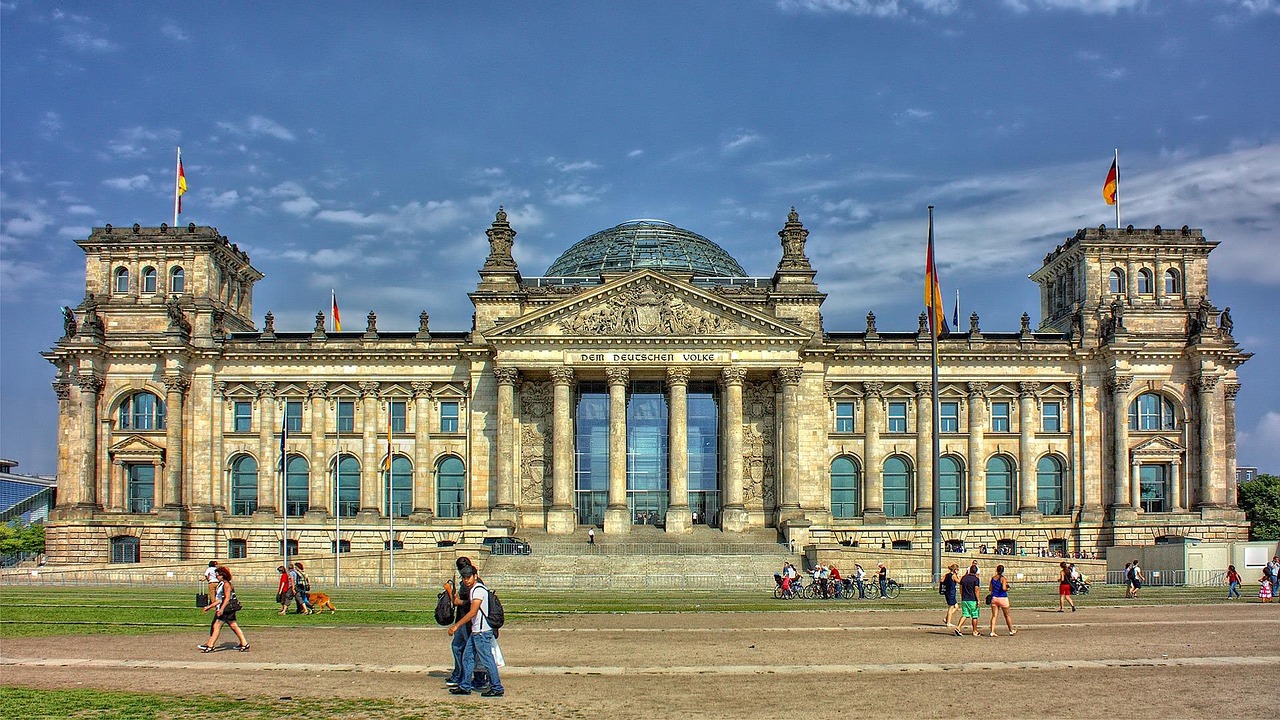
Germany is currently facing significant labor shortages across various sectors. To address this challenge, the German government has introduced new measures aimed at attracting global talent. These initiatives are designed to streamline the immigration process, making it easier for skilled workers to contribute to the German economy. As Germany seeks to fill gaps in its workforce, understanding these changes is crucial for potential immigrants and employers alike.
Key Takeaways
- Germany has implemented new immigration policies to attract skilled workers and address labor shortages.
- The new measures simplify visa processes and offer incentives for skilled migrants.
- Understanding these changes can help potential immigrants navigate the new system effectively.
Understanding Germany's Labor Shortages
The German labor market has been experiencing shortages in key sectors such as engineering, healthcare, and information technology. According to the Federal Employment Agency, there were approximately 1.2 million job vacancies in Germany by mid-2023. This shortage poses a significant challenge to the German economy, which is Europe's largest.
Demographic Challenges
Germany's aging population exacerbates the labor shortage. The country has one of the highest median ages in Europe, and as more people retire, the demand for younger, skilled professionals has increased. This demographic shift places additional pressure on the employment market, necessitating policy changes.
New Immigration Measures
In response to these challenges, Germany has rolled out new immigration policies designed to attract skilled workers from around the world. These measures aim to simplify the process for obtaining work visas and residency permits, thereby making Germany an attractive destination for global talent.
Simplified Visa Procedures
One of the significant changes is the introduction of a points-based system for work visas. This system evaluates potential immigrants based on their qualifications, experience, language skills, and age. It allows for a more streamlined process and helps prioritize candidates who meet Germany's labor needs. The system is similar to those used in countries like Canada and Australia, known for efficiently managing skilled immigration.
Opportunities for Young Professionals
Germany is also focusing on attracting younger professionals by offering more accessible pathways for recent graduates. International students who study in Germany can now extend their stay more easily to work in the country. This initiative is particularly beneficial for sectors like technology and engineering, which require a steady influx of young talent.
Impact on the German Economy
The introduction of these new measures is expected to have a positive impact on the German economy. By addressing labor shortages, Germany can maintain its economic growth and competitiveness on the global stage. Skilled immigrants contribute to innovation and productivity, which are crucial for sustaining economic health.
Addressing the Political Landscape
The introduction of these measures comes amid rising political challenges, particularly from the far-right Alternative for Germany (AfD), which opposes immigration. Despite protests and political opposition, the German government remains committed to its pro-immigration stance, emphasizing the economic necessity of such policies. The AfD's focus on limiting immigration contrasts with the federal government's pragmatic approach to addressing labor shortages.
How Potential Immigrants Can Prepare
For individuals considering moving to Germany for work, understanding the new policies is crucial. Here are some steps potential immigrants can take:
- Research the Points System: Understand how points are awarded and which skills and qualifications are in demand.
- Language Skills: Improving German language skills can significantly enhance your chances of securing a work visa.
- Stay Informed: Follow updates from the German Federal Foreign Office and other reliable sources to stay informed about any further changes to immigration policies.
Conclusion
Germany's new measures to attract global talent are a proactive response to its labor shortages. While political challenges remain, the benefits of skilled immigration are clear. For potential immigrants, these changes represent an opportunity to contribute to and benefit from Germany's robust economy. By staying informed and preparing adequately, skilled workers can take advantage of these new pathways to live and work in Germany.
If you are considering applying for a work visa in Germany, now is the time to explore your options and understand how these new measures can work to your advantage. With the right preparation and awareness, you could be part of the next wave of talent driving Germany's economic success.
Sources and important context
AI-assisted immigration information. Confirm current requirements with the relevant government authority or a qualified professional before acting.