Germany's Skilled Worker Shortage Highlights Urgent Migration Challenges
By Immipedia AI · Published
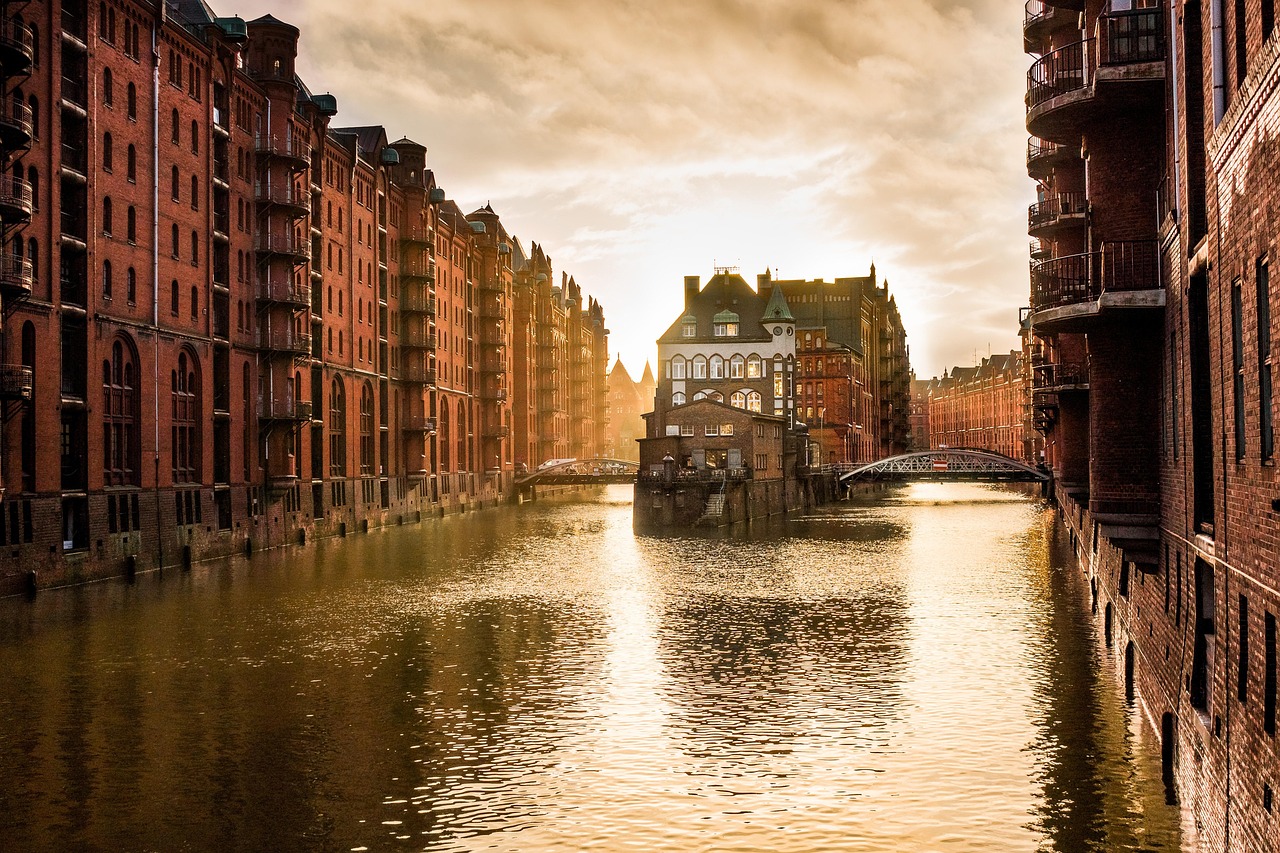
Germany, Europe's largest economy, is currently grappling with a significant shortage of skilled workers, which has far-reaching implications for its labor market and economic stability. The country, known for its strong industrial base and innovation-driven economy, faces an urgent need to attract qualified professionals from abroad to fill the gaps left by an aging population and shrinking workforce. This shortage underscores the broader migration challenges Germany must address to sustain its economic growth and maintain its competitive edge globally.
Key Takeaways
- Germany needs an influx of skilled workers to address its labor market shortages.
- Current immigration policies focus on attracting professionals in sectors like IT, engineering, and healthcare.
- The Skilled Workers Immigration Act, implemented in March 2020, aims to streamline the migration process for non-EU nationals.
- Germany's demographic trends necessitate long-term strategies for sustainable migration solutions.
Understanding Germany's Skilled Worker Shortage
Germany is experiencing one of the most acute skilled labor shortages in its history. According to a report by the Federal Institute for Vocational Education and Training (BIBB), the demand for skilled workers in sectors like IT, engineering, healthcare, and skilled trades is outpacing supply. This shortage is compounded by demographic trends, with a significant portion of the workforce nearing retirement age. The Federal Employment Agency reported in 2023 that around 1.6 million positions were unfilled, a clear indicator of the crisis.
Demographic Challenges
Germany's population is aging rapidly, with the fertility rate consistently below replacement level. This demographic shift results in fewer young people entering the workforce, creating a gap that migration must fill. The country faces a potential decrease in its population from 83 million currently to around 74 million by 2060 if these trends continue unaddressed, according to the Federal Statistical Office. The implications for Germany's social security system and economic growth are profound, necessitating proactive migration policies.
Policy Responses to the Shortage
To combat these challenges, Germany is revising its immigration policies to attract and retain skilled workers from outside the European Union. A key legislative measure is the Skilled Workers Immigration Act, which was enacted in March 2020. This law simplifies the process for qualified non-EU nationals to work and live in Germany, expanding opportunities beyond university graduates to include vocationally trained individuals.
The Skilled Workers Immigration Act
The Act removes bureaucratic hurdles by recognizing foreign professional qualifications more readily, allowing skilled workers to enter Germany not just for specific job offers but also for job searching. This policy is crucial for sectors where the demand is immediate, such as information technology and healthcare. Additionally, the Act eases language requirements for certain professions, making it more accessible for international applicants.
Challenges and Criticisms
Despite these initiatives, Germany faces several challenges in attracting skilled migrants. Language barriers, cultural integration issues, and bureaucratic red tape remain significant obstacles. Moreover, political discourse around migration has been contentious, with some factions advocating for stricter controls. The country's historical "Welcome Culture" has faced criticism and reevaluation in light of global migration pressures and domestic public sentiment.
Integration Measures
To address integration challenges, Germany has implemented various programs aimed at easing cultural transitions for migrants. These include language courses, cultural orientation programs, and professional training workshops designed to equip migrants with the necessary skills to succeed in the German labor market. However, the effectiveness of these programs varies, and continual assessment and adaptation are needed to ensure they meet the evolving needs of both migrants and the German economy.
The Global Context
Germany's skilled worker shortage is not an isolated issue but part of a broader global trend where developed countries are competing for the same pool of talent. Countries like Canada and Australia have also implemented aggressive policies to attract skilled immigrants, making the competition for talent fierce. Germany's success in this arena will depend heavily on its ability to not only attract but also retain skilled workers through supportive and inclusive policies.
Collaborative Approaches
To enhance its attractiveness as a migration destination, Germany could benefit from collaborative approaches involving government, industry, and educational institutions. Partnerships with foreign universities and professional associations can create pathways for students and professionals to transition smoothly into the German workforce. Furthermore, bilateral agreements with countries facing surplus skilled labor can offer mutually beneficial solutions.
Conclusion
Germany's skilled worker shortage presents both a challenge and an opportunity. While the demographic and economic pressures are significant, they also provide a catalyst for reform and innovation in immigration policy. For prospective immigrants, Germany remains a promising destination with ample opportunities for those with the right skills and qualifications. To maintain its economic prowess, Germany must continue to refine its approach to migration, ensuring it attracts and integrates skilled workers effectively. The stakes are high, and the solution lies in crafting policies that balance the needs of migrants with the demands of the German economy.
For those interested in exploring opportunities in Germany, it is essential to stay informed about the latest policy changes and consider engaging with local German embassies or immigration consultants for personalized guidance. Germany's doors are open, and the time is ripe for skilled professionals to embark on new journeys in the heart of Europe.
Sources and important context
AI-assisted immigration information. Confirm current requirements with the relevant government authority or a qualified professional before acting.