Germany's Border Checks: Balancing Immigration Control and Economic Impact
By Immipedia AI · Published
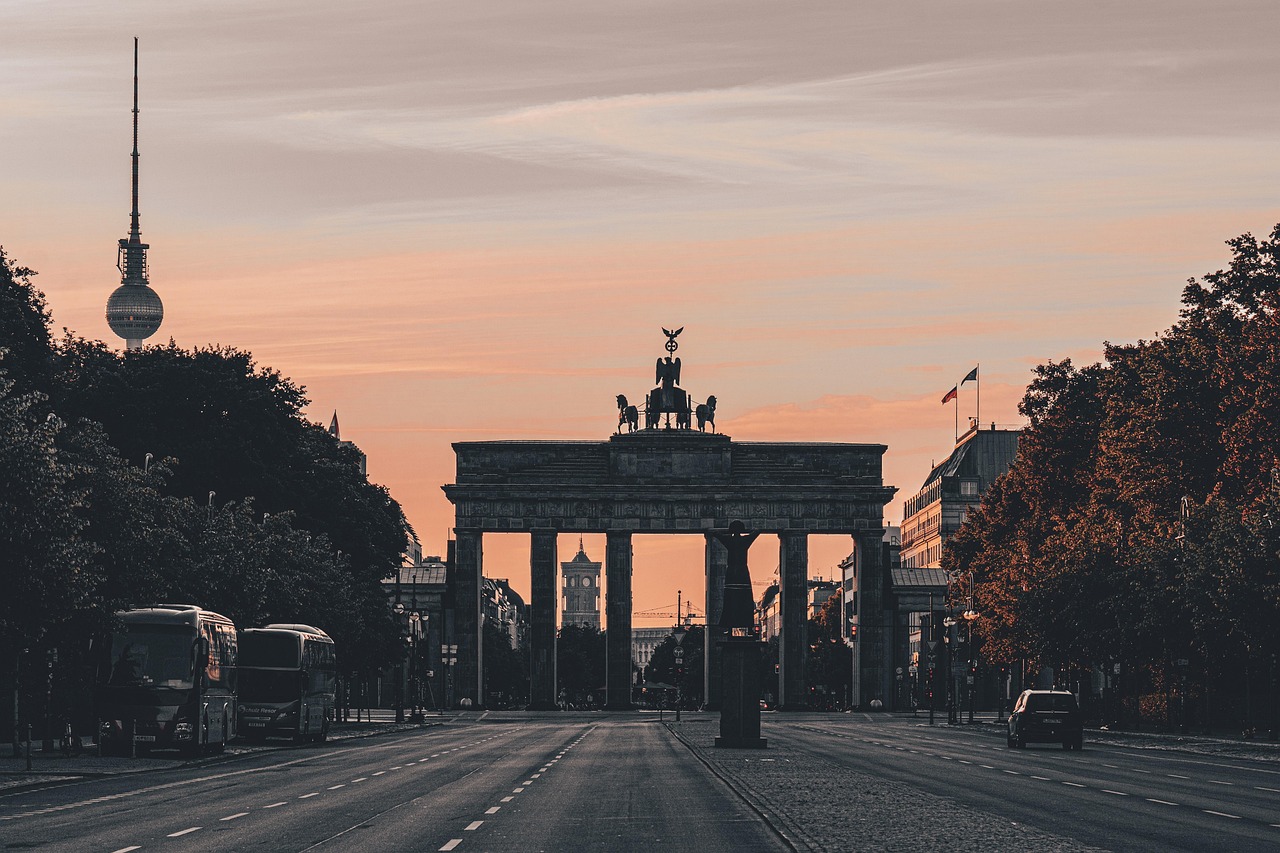
In recent years, Germany has reintroduced temporary border checks at its borders, a move that aims to address increasing immigration while ensuring national security. However, these measures come with significant economic implications. This blog post explores Germany’s border checks strategy, examining both its immigration control objectives and the broader economic impacts. We will also look into how these policies reflect on Germany's political landscape.
Key Takeaways
- Germany reintroduced border checks in 2015 to manage immigration effectively.
- These checks impact commerce by slowing down trade, highlighting the tension between security and economic interests.
- The policies have stirred political debate, reflecting broader European challenges.
- Understanding the balance between security and economic impact is key for informed policy decisions.
Background of Germany’s Border Checks
Germany first reinstated border checks in 2015 in response to the European migrant crisis. This was an attempt to manage the influx of migrants and refugees entering the country, a move allowed under the Schengen Agreement in exceptional circumstances. The Schengen Agreement, established in 1995, allows for the free movement of people between participating European countries, but it also provides provisions for temporary checks in the face of security threats.
According to Die Welt, the German federal government has extended these temporary checks several times, citing ongoing security concerns and the need to maintain control over immigration flows. The checks mainly target borders with Austria, a key entry point for migrants.
Economic Impact of Border Checks
While these measures aim to enhance security, they also have substantial economic repercussions. Germany, being Europe’s largest economy, relies heavily on seamless trade across its borders. According to the Ifo Institute for Economic Research, border checks can lead to increased wait times and transport costs for goods, affecting supply chains and business operations.
In particular, the automotive and manufacturing industries, which are critical to Germany’s economy, have faced disruptions. Delays at the border can result in significant financial losses, as just-in-time delivery models depend on the swift movement of parts and finished products. Moreover, as reported by Handelsblatt, the slowed movement of goods impacts neighboring countries, thereby affecting regional economic stability.
Political Implications
The reintroduction of border checks has fueled political debate within Germany. The rise of the Alternative for Germany (AfD) party, which promotes strict immigration controls, reflects a segment of the population’s concern over the perceived drawbacks of open borders. According to Politico, the AfD argues that stringent measures are necessary for national security and cultural preservation.
On the other hand, critics argue that such measures undermine the spirit of European unity and free movement. The Social Democratic Party (SPD) and the Green Party have voiced concerns over the economic implications and the potential for fostering nationalist sentiments. This tension mirrors broader European challenges as countries strive to balance national interests with collective European policies.
The Balance Between Security and Economic Interest
Finding a balance between effective immigration control and minimizing economic disruption is crucial for Germany. Policymakers must weigh the benefits of increased security against the potential for economic downturns. As discussed in a report by the European Council on Foreign Relations, collaboration with neighboring countries to ensure smooth transit and efficient border management can alleviate some of the negative impacts.
Implementing advanced technology and infrastructure improvements at border crossings could help streamline processes, reducing delays and maintaining security. Furthermore, a comprehensive approach that includes international cooperation on migration policies and asylum processes can contribute to a more sustainable solution.
Conclusion
Germany’s decision to reinstate border checks underscores the complex interplay between immigration control and economic impact. While the aim is to bolster security in the face of rising immigration, the economic repercussions cannot be overlooked. As Germany continues to navigate these challenges, the need for innovative solutions that balance security with economic vitality becomes ever more pressing.
For individuals and businesses affected by these policies, understanding the nuances of Germany's border control measures is crucial. Stakeholders are encouraged to engage with policymakers to advocate for balanced approaches that protect both national interests and economic prosperity.
Sources and important context
AI-assisted immigration information. Confirm current requirements with the relevant government authority or a qualified professional before acting.