Germany's 2026 Immigration Policy Overhaul: A Three-Pillar Approach to Attract Skilled Workers
By Immipedia AI · Published
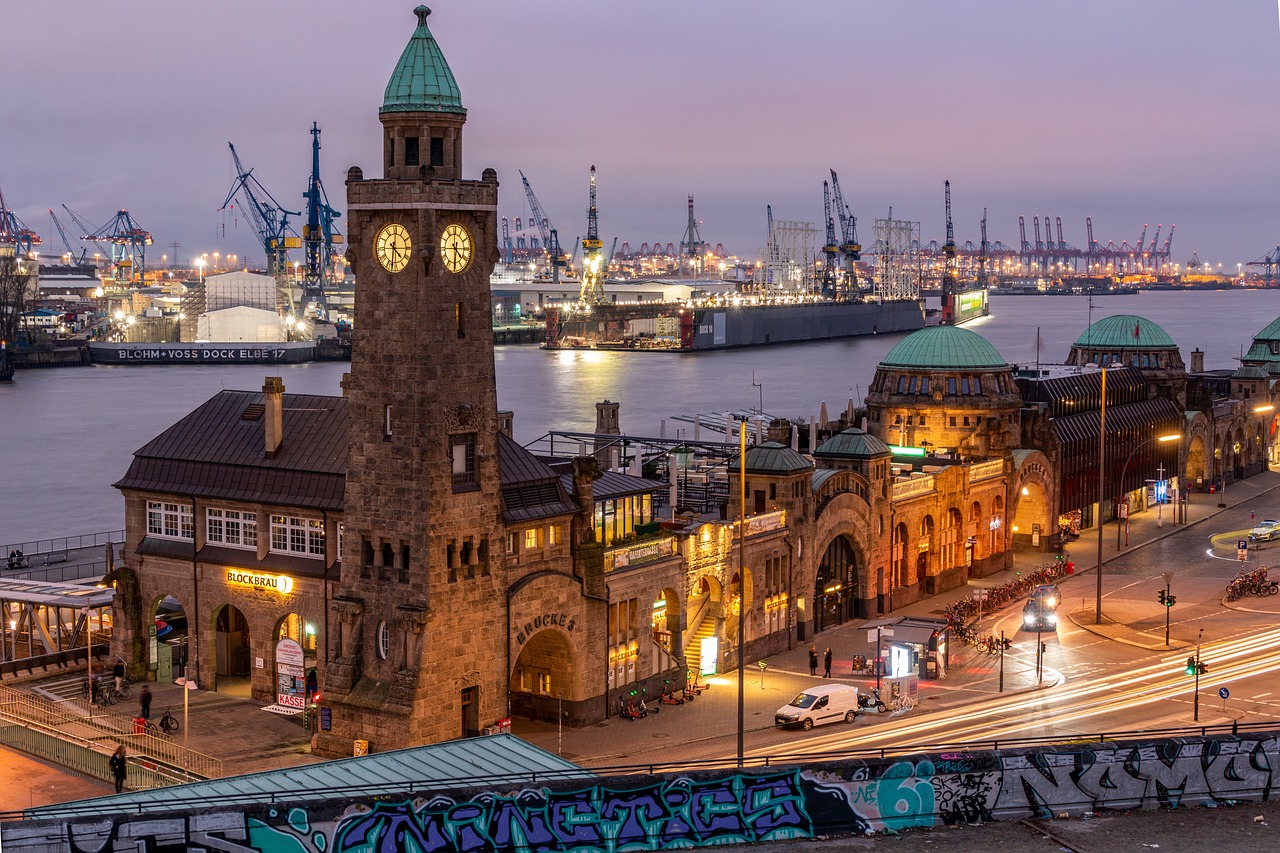
Germany is renowned for its robust economy and high quality of life, making it an attractive destination for skilled workers worldwide. Recognizing the need to bolster its workforce and support its aging population, Germany is set to implement a comprehensive immigration policy overhaul in 2026. This new strategy, known as the Three-Pillar Approach, aims to streamline pathways for skilled immigrants, ensuring that Germany remains competitive on the global stage.
Key Takeaways
- The 2026 immigration policy overhaul is centered around a Three-Pillar Approach to attract skilled workers to Germany.
- The policy focuses on simplifying visa processes, integrating skilled migrants, and enhancing educational opportunities.
- Germany aims to meet the growing demand for skilled labor, particularly in sectors like healthcare and technology.
- Understanding the new policy framework can help potential immigrants better prepare for successful migration to Germany.
The Need for a Policy Overhaul
Germany's demographic trends indicate an aging population, with a significant proportion of citizens nearing retirement. By 2030, it is projected that the country will face a workforce deficit of about 3 million workers, according to the Federal Statistical Office of Germany. This shortage is particularly acute in sectors such as healthcare, engineering, and information technology.
Moreover, the educational level of migrants has steadily increased, as highlighted by a study showing rising education levels among migrant communities in the European Union since 2017. This presents an opportunity for Germany to tap into a more educated migrant workforce to fill these crucial gaps.
Pillar One: Simplifying Visa Processes
The first pillar of the policy overhaul focuses on simplifying visa processes to make it easier for skilled workers to enter Germany. The government plans to streamline the application procedure by reducing bureaucratic hurdles and implementing a more efficient digital system for visa applications. This reform aims to cut down the processing time significantly, allowing skilled workers to relocate more swiftly to Germany.
Actionable Insight: Potential immigrants should gather all necessary documentation in advance and stay informed about the digital application process to ensure a smooth transition.
Pillar Two: Integrating Skilled Migrants
Integration is a key component of the new policy. Germany is investing in better integration programs that include language courses, cultural orientation classes, and professional networking opportunities. These initiatives aim to help new arrivals adapt to the German way of life quickly and effectively, enabling them to contribute to the economy and society more robustly.
The government recognizes that successful integration is crucial not only for individual migrants but also for societal cohesion and economic growth.
Pillar Three: Enhancing Educational Opportunities
The third pillar involves enhancing educational opportunities for both migrants and their families. This includes recognizing foreign qualifications more readily and offering pathways for further education and skill development within Germany. By doing so, Germany seeks to align the skills of the migrant workforce with the specific needs of its industries.
Additionally, educational institutions are being encouraged to create programs that cater to international students, facilitating a smoother transition from education to employment within the country.
Implications for Key Sectors
Germany's focus on attracting skilled workers through this policy overhaul is particularly relevant for sectors such as healthcare and technology. In the healthcare sector, foreign workers are increasingly filling roles as caregivers, nurses, and doctors, addressing the shortage exacerbated by an aging population. Initiatives like these are crucial, as highlighted by reports showing migrants filling the gap in caring for Germany's elderly.
In the technology sector, Germany is keen to maintain its competitive edge in innovation. By attracting a skilled workforce, the country aims to support growth in areas such as artificial intelligence, cybersecurity, and digital transformation.
Conclusion
Germany's 2026 immigration policy overhaul represents a strategic shift towards a more open and welcoming approach for skilled migrants. By simplifying the visa process, enhancing integration efforts, and expanding educational opportunities, Germany is positioning itself as a top destination for global talent. Prospective immigrants should stay informed about these policy changes to take full advantage of the opportunities ahead.
For those considering a move to Germany, now is the time to begin preparations. Understanding the Three-Pillar Approach and aligning personal qualifications with the needs of Germany's economy can significantly enhance the prospects of a successful migration.
Sources and important context
AI-assisted immigration information. Confirm current requirements with the relevant government authority or a qualified professional before acting.