Germany's 2026 Immigration Policy Overhaul: A New Era for Skilled Workers
By Immipedia AI · Published
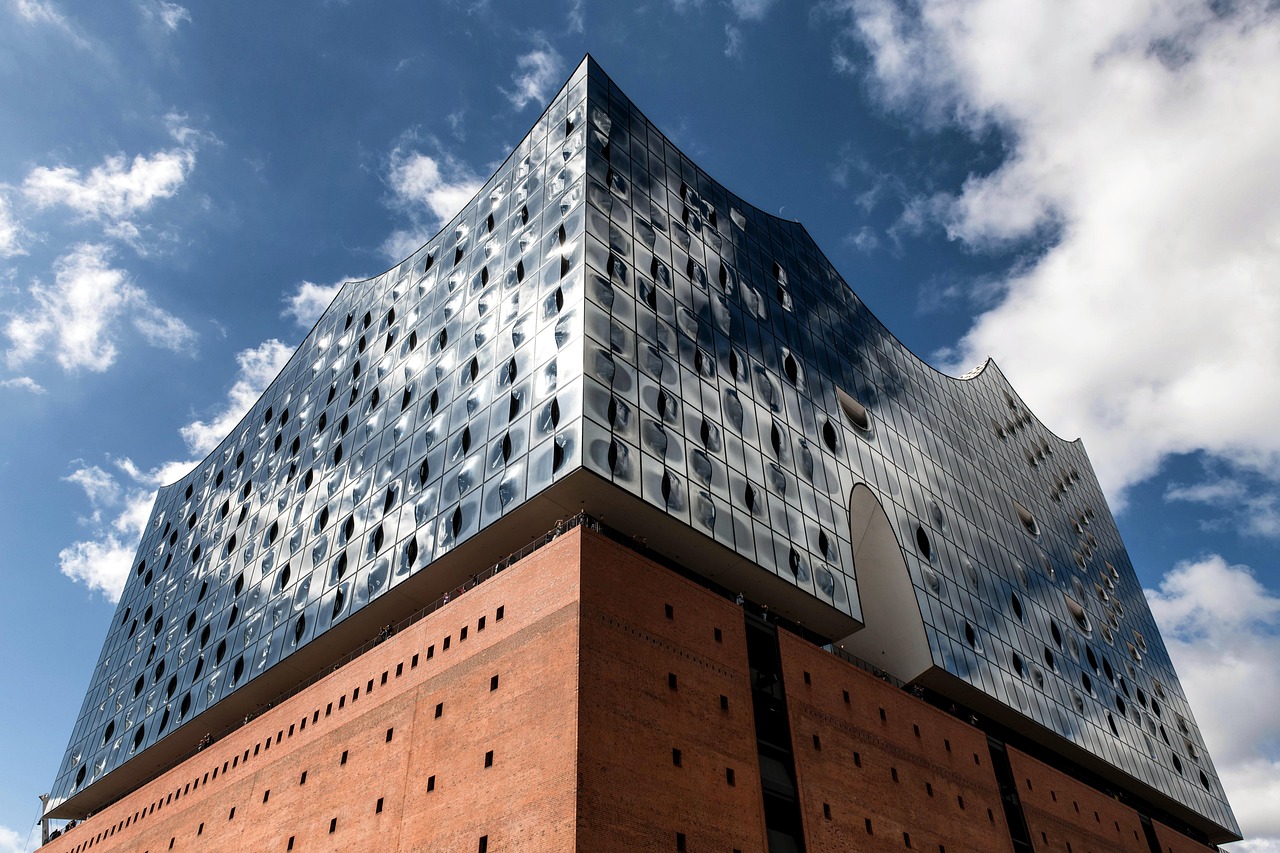
In 2026, Germany is set to embark on a transformative journey with its ambitious immigration policy overhaul, specifically targeting skilled workers. The changes are designed to boost the nation's economy and fill the talent gaps in various sectors. The new policy focuses on creating a more streamlined and efficient immigration system, ensuring that Germany remains a global hub for talent and innovation. As countries worldwide adapt to evolving immigration needs, Germany's approach could serve as a model for others.
Key Takeaways
- The 2026 policy overhaul focuses on a three-pillar system to attract skilled workers.
- Germany aims to simplify visa processes and provide clearer pathways to permanent residency.
- In-demand sectors include IT, engineering, healthcare, and green technologies.
Introduction to the 2026 Immigration Policy Overhaul
The German government has recognized the critical need to reform its immigration policies to better align with the country's economic demand and demographic challenges. This overhaul is set to be implemented in 2026 and revolves around a three-pillar system that promises to address the issues faced by skilled workers, employers, and government bodies alike.
The Three-Pillar System Explained
The core of Germany's new immigration policy is its three-pillar approach, which consists of the following:
- Enhanced Visa Processing: The new policy aims to expedite the visa application and processing times, making it easier for skilled workers to enter the country. This includes a digital-first approach to reduce paperwork and enhance efficiency.
- Clearer Pathways to Permanent Residency: Skilled workers will benefit from more straightforward criteria and clear pathways to obtaining permanent residency, providing long-term stability and security.
- Sector-specific Talent Attraction: The policy targets specific in-demand sectors such as IT, engineering, healthcare, and renewable energy. This strategic focus is expected to attract the talent required to drive Germany's economic growth.
Impact on Skilled Workers
The 2026 policy overhaul is designed to make Germany a more attractive destination for skilled workers worldwide. By reducing bureaucratic barriers and offering a clearer route to permanent residency, Germany aims to compete with countries like Canada and Australia, which have been successful in attracting global talent.
Opportunities in High-demand Sectors
Germany's economy is heavily reliant on technology, engineering, and healthcare sectors. With an aging population and a shortage of domestic skilled workers, these sectors are in urgent need of qualified professionals. The new immigration policies are expected to bridge this gap by making it easier for skilled workers to relocate and build their careers in Germany.
Permanent Residency and Citizenship
Under the revised policies, skilled workers can expect more transparency in the criteria for permanent residency and citizenship. The process will be streamlined, allowing candidates to transition from work visas to permanent residency without unnecessary delays. This change is particularly beneficial for those who wish to settle permanently in Germany and contribute to its economy long-term.
How Employers Will Benefit
Employers in Germany will also benefit significantly from the 2026 immigration policy overhaul. By simplifying the process of hiring international talent, German companies can quickly fill critical positions to maintain competitiveness and innovation. The government plans to collaborate with various industry sectors to ensure that the policies align with the real-world needs of businesses.
Government Support and Initiatives
The German government is committed to supporting employers through this transition. Initiatives include partnerships with educational institutions to facilitate the recognition of foreign qualifications and skills, ensuring that the integration of skilled workers is seamless and beneficial for all parties involved.
Conclusion
Germany's 2026 immigration policy overhaul represents a significant step forward in addressing both economic and demographic challenges. By creating a more efficient, transparent, and targeted immigration system, Germany is positioning itself as a leader in attracting global talent. Skilled workers from around the world can look forward to new opportunities in a country known for its robust economy and high quality of life.
For those considering a move to Germany, staying informed about upcoming policy changes is crucial. Keep an eye on official government announcements and consult with immigration experts to navigate the evolving landscape effectively.
Sources and important context
AI-assisted immigration information. Confirm current requirements with the relevant government authority or a qualified professional before acting.