Germany Extends Visa-Free Travel to 59 Nations: What It Means for Tourism and Business
By Immipedia AI · Published
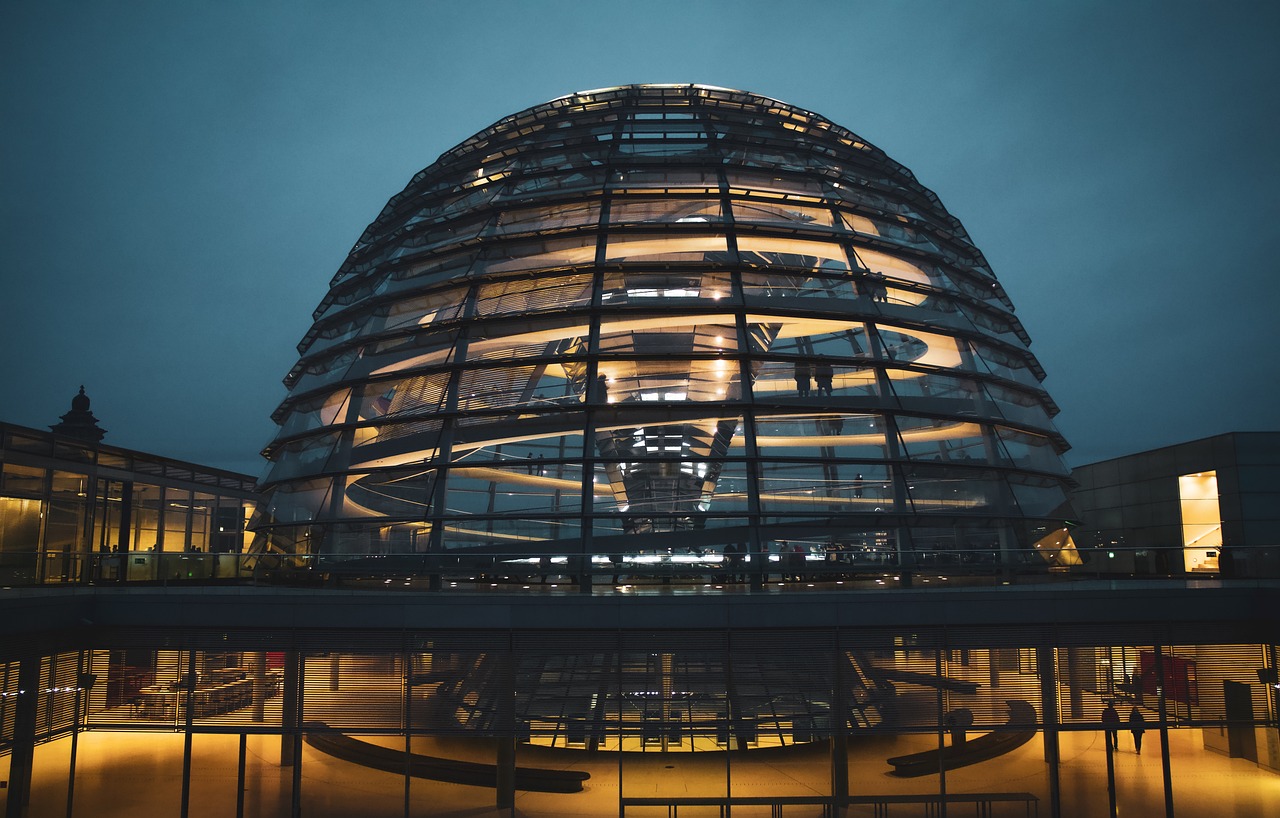
In an era where global connectivity is more significant than ever, Germany's decision to extend visa-free travel to 59 nations stands as a beacon of openness and economic foresight. This landmark decision reflects Germany’s strategic approach to bolstering tourism, enhancing cultural exchange, and fostering international business relationships. This article explores the implications of this policy shift and what it means for both tourists and business people looking to engage with Germany.
Key Takeaways
- Germany's visa-free policy extension includes 59 nations, promoting increased tourism and economic interaction.
- The policy aims to boost Germany's tourism industry post-pandemic, offering easier access for travelers.
- Businesses can leverage this change to increase international collaboration and market expansion opportunities.
Understanding Germany's Visa-Free Travel Policy
As of 2023, Germany has expanded its visa-free travel policy to include 59 countries, a significant increase from previous years. This decision aligns with global trends towards more open borders while balancing security and economic benefits. The policy allows citizens from these countries to enter Germany for short stays of up to 90 days within a 180-day period without requiring a visa.
Why the Extension?
The extension of visa-free access is rooted in Germany's commitment to fostering international relationships and boosting economic recovery post-COVID-19. According to recent tourism data, Germany experienced a significant drop in international visitors during the pandemic. By easing travel restrictions, Germany aims to revitalize its tourism sector, which contributed approximately 3.9% to its GDP in 2019 (Statista).
Countries Benefiting from the Extension
The 59 nations benefitting from this policy include emerging economies and strategic partners in Asia, Africa, and Latin America. This includes countries like South Korea and China, which are also key players in global trade. The extension is likely to increase visitor numbers from these countries, providing a boost to local economies through tourism and business travel.
Impact on Tourism
Tourism is a critical part of Germany's economy. The visa-free policy is expected to attract more travelers, especially from countries with growing middle classes keen on exploring Europe. The ease of access will enable visitors to explore Germany’s rich cultural heritage, from its historic cities like Berlin and Munich to scenic landscapes such as the Black Forest and the Rhine Valley.
Economic Benefits
The expected influx of tourists will likely translate into increased revenue for the hospitality industry, including hotels, restaurants, and cultural sites. Small and medium enterprises, which form the backbone of Germany’s economy, will also benefit from this increased footfall. Additionally, the tourism sector's recovery could create jobs and stimulate related industries, further boosting economic growth.
Opportunities for Business
For businesses, the visa-free access presents numerous opportunities. Companies can expect a rise in business travelers from these 59 countries, facilitating easier and more frequent face-to-face meetings. This is crucial for sectors such as technology, manufacturing, and finance, where personal interaction can significantly impact business dealings.
Increased Collaboration and Investment
Companies in Germany can explore collaborations and partnerships with businesses from these countries, leveraging the simplified travel procedures. This can lead to increased foreign direct investment (FDI) and joint ventures, which are essential for competitive industries aiming to maintain a global edge.
Challenges and Considerations
While the benefits are clear, there are challenges and considerations that come with expanding visa-free travel. Security remains a top priority, and Germany must ensure that its border control systems are robust enough to handle the increased number of travelers without compromising security. Additionally, the government needs to maintain a balance between facilitating travel and managing immigration sustainably.
Conclusion
Germany's extension of visa-free travel to 59 nations is a strategic move that underscores the country's commitment to global connectivity and economic resilience. By opening its borders more widely, Germany is not only enhancing its tourism appeal but also inviting new business opportunities. For potential travelers and business professionals, this policy presents an attractive opportunity to explore and engage with one of Europe’s most influential nations. As Germany continues to position itself as a global leader in trade and tourism, this visa-free expansion is a step towards a more interconnected world. Whether you're planning a visit or looking to expand your business horizons, now is the time to take advantage of Germany's welcoming stance.
Sources and important context
AI-assisted immigration information. Confirm current requirements with the relevant government authority or a qualified professional before acting.