Germany Extends Internal Border Controls Amid Migration and Security Concerns
By Immipedia AI · Published
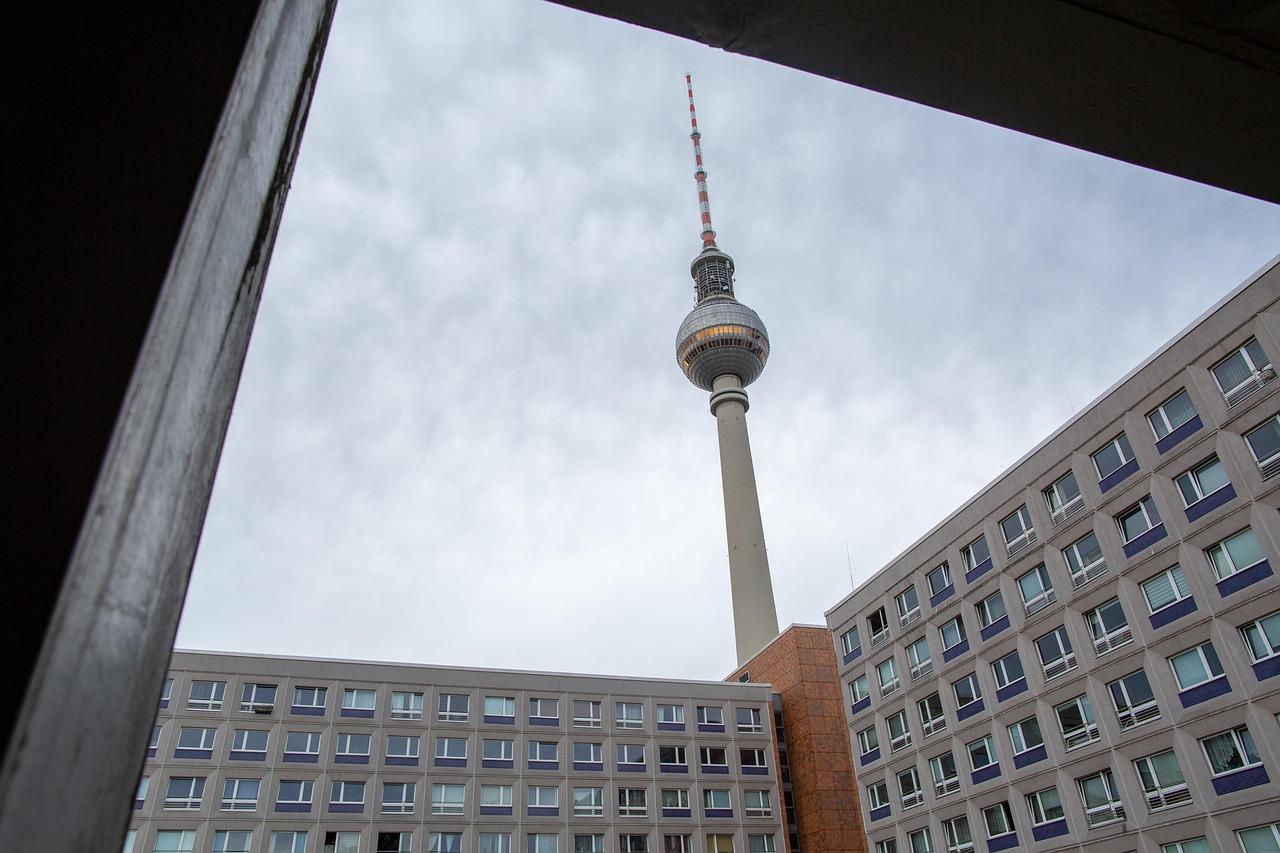
Germany, a pivotal member of the European Union, has been taking measures to tighten its internal border controls as part of a broader strategy to manage migration and address security concerns. As the country grapples with a labor shortage and rising numbers of migrants, these policy changes are being closely monitored both within Germany and across the EU. This blog post explores the details of these internal border controls, their implications for migrants, and the broader context of Germany's immigration policy.
Key Takeaways
- Germany has extended internal border controls to better manage migration and enhance security.
- The policy changes reflect Germany's attempt to balance labor shortages with increasing migrant entries.
- Understanding these changes is crucial for migrants and businesses relying on foreign labor.
Background on Germany's Border Control Policies
Germany, as part of the Schengen Area, typically allows for passport-free travel across its borders with other Schengen countries. However, since 2015, the country has periodically reinstated temporary border controls in response to surges in migration and security threats. In 2023, Germany announced an extension of these controls, citing ongoing migration pressures and the need for enhanced public safety measures.
The latest extension came into effect in October 2023 and is expected to last for at least six months, affecting Germany's borders with Austria and the Czech Republic. These checks are part of Germany’s broader strategy to manage illegal migration and ensure the security of its citizens. The decision aligns with the EU's policy that allows temporary border controls under exceptional circumstances (European Commission, 2023).
Implications for Migrants and Asylum Seekers
The extension of internal border controls has significant ramifications for migrants and asylum seekers. Many refugees and migrants who enter Germany do so through its southern borders, particularly from Austria. With the reinstated border checks, asylum seekers may face delays and increased scrutiny when entering the country. This could lead to challenges in the timely processing of asylum applications and, in some cases, detentions or returns at the border.
Moreover, these measures arrive amidst broader EU discussions on migration governance, where Germany plays an influential role. The German government emphasizes that these controls are not intended to shut down borders but to better manage migration flows and ensure that migration occurs legally and safely (Federal Ministry of the Interior, 2023).
Impact on Labor Market and Economic Considerations
Germany’s economy, the largest in Europe, relies heavily on foreign labor to sustain its growth. Yet, the country is currently experiencing a significant shortage of skilled workers, a predicament exacerbated by the departure of EU workers post-Brexit and pandemic-related disruptions. The tightened border controls could inadvertently impact sectors reliant on skilled migrants, such as technology, healthcare, and engineering.
While Germany seeks to attract skilled workers through various programs, including the EU Blue Card and national visa schemes, these border policies might deter potential migrants, fearing stringent and prolonged entry processes. This highlights a complex balancing act for the German government: addressing security concerns while ensuring the influx of necessary labor talent.
Security Concerns and the European Context
Security is a primary reason cited by Germany for extending border controls. With evolving threats, such as terrorism and organized crime, Germany emphasizes the need to have controlled entry points to monitor and prevent unlawful activities. This is consistent with other EU nations’ measures, illustrating a regional approach to a shared challenge.
Germany’s decision has sparked discussions within the EU about the future of Schengen and its principle of free movement. While the EU Commission supports temporary border controls under exceptional circumstances, it also stresses the importance of restoring unrestricted movement when possible (European Parliament, 2023).
Actionable Insights for Affected Parties
- Migrants and asylum seekers should ensure they have proper documentation and be prepared for additional checks when entering Germany.
- Businesses reliant on foreign labor should consider engaging with immigration consultants to navigate potential delays and ensure compliance with new entry requirements.
- Stakeholders, including policymakers and advocacy groups, might advocate for streamlined processes that address both security and labor market needs.
Conclusion
Germany’s extension of internal border controls amid migration and security concerns is a multi-faceted issue balancing the country’s immediate security needs and its economic reliance on skilled migrants. For migrants, understanding these controls and their implications is critical for navigating entry and integration into Germany. Businesses and policymakers must also adapt to these changes to ensure that Germany remains an attractive destination for talent while maintaining its security standards. As these policies unfold, it will be essential to monitor developments and engage in ongoing dialogue at both the national and EU levels to find sustainable solutions.
Sources and important context
AI-assisted immigration information. Confirm current requirements with the relevant government authority or a qualified professional before acting.