Congress Debates Future of TPS for Salvadorans Amid Human Rights Concerns
By Immipedia AI · Published
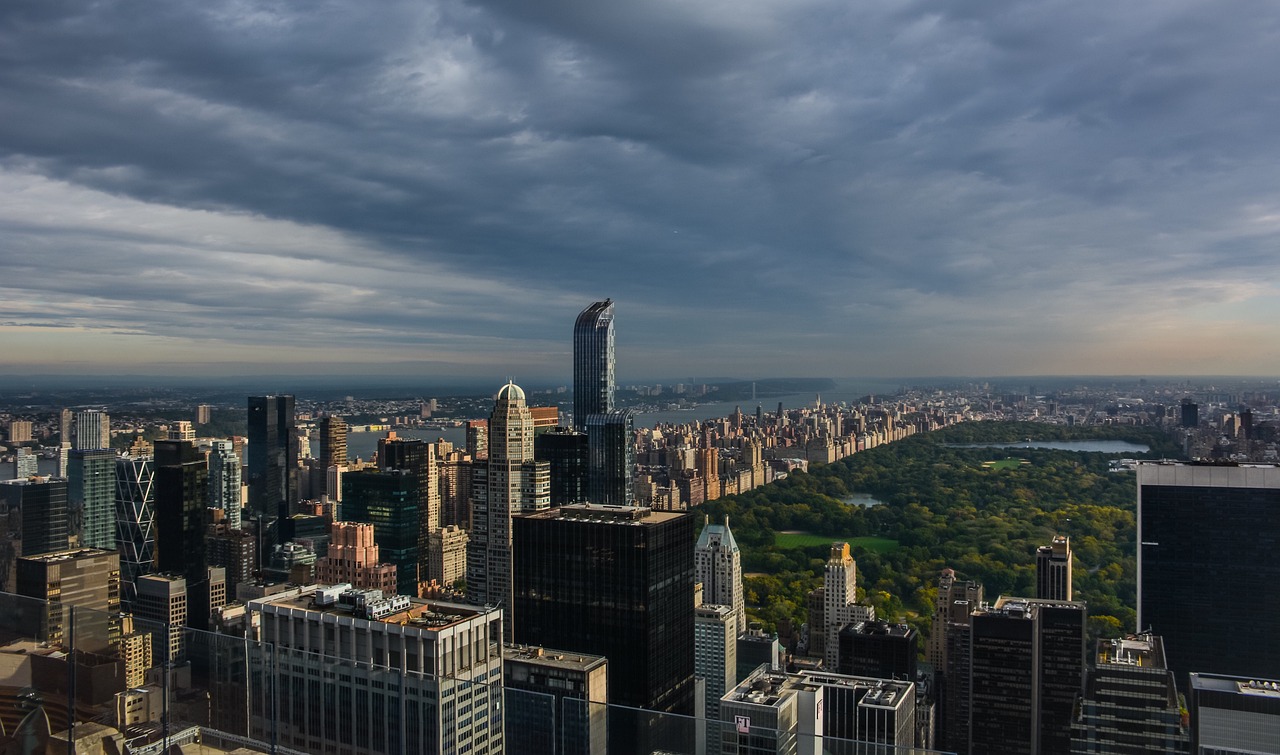
The future of Temporary Protected Status (TPS) for over 170,000 Salvadorans in the United States is currently under scrutiny by Congress. This comes amid growing concerns over human rights and democratic practices in El Salvador, as well as the evolving security partnership between the U.S. and El Salvador under the Trump administration.
Key Takeaways
- Congress is considering the continuation of TPS for Salvadorans, with no final decision yet made.
- Human rights concerns in El Salvador are influencing the debate, with proposed legislation to restrict U.S. support.
- Salvadorans under TPS retain work authorization until an official announcement is made.
Current Status of TPS for Salvadorans
As of now, the status of TPS for Salvadorans remains unresolved. U.S. Citizenship and Immigration Services has indicated that Salvadorans currently under TPS continue to have protection and work authorization. An official announcement regarding the future of TPS is expected "at the appropriate time" (Legis1).

Human Rights Concerns in El Salvador
El Salvador's political landscape has seen significant changes under President Nayib Bukele, with constitutional amendments allowing indefinite presidential reelection and extending presidential terms. These changes have raised alarms among human rights organizations, which argue that democratic checks and balances have been weakened. Despite these concerns, President Bukele enjoys high approval ratings domestically.
U.S.-El Salvador Relations
The bilateral relationship between the U.S. and El Salvador has strengthened, particularly in security matters. This includes agreements to house deported individuals with alleged terrorist ties in Salvadoran prisons. However, this partnership is controversial, with some members of Congress proposing legislation to limit U.S. assistance and impose sanctions on El Salvador.
Legislative Proposals and Debates
Several legislative proposals are currently being considered in Congress. These include H.R. 4001, which seeks to prohibit certain U.S. funding for Salvadoran prisons, and H.R. 10297, which proposes an 18-month TPS designation for El Salvador. However, these proposals have not yet advanced beyond committee referrals.
What Remains Uncertain
While TPS protections remain in place for now, the future of the program is uncertain. The outcome will depend on ongoing congressional debates and the broader context of U.S.-El Salvador relations. The timing of any official announcement remains unknown.

Next Steps for Salvadorans
Salvadorans currently under TPS should stay informed about legislative developments and prepare for potential changes. It may be helpful to consult with immigration experts or legal advisors to understand their options. For those exploring other immigration pathways, resources such as our document checklists can provide valuable guidance.
In conclusion, while the future of TPS for Salvadorans is still being debated, staying informed and prepared is crucial for those affected by potential changes in U.S. immigration policy.

Sources and important context
AI-assisted immigration information. Confirm current requirements with the relevant government authority or a qualified professional before acting.