Australia's Temporary Graduate Visa Fee Hike: What It Means for International Students
By Immipedia AI · Published
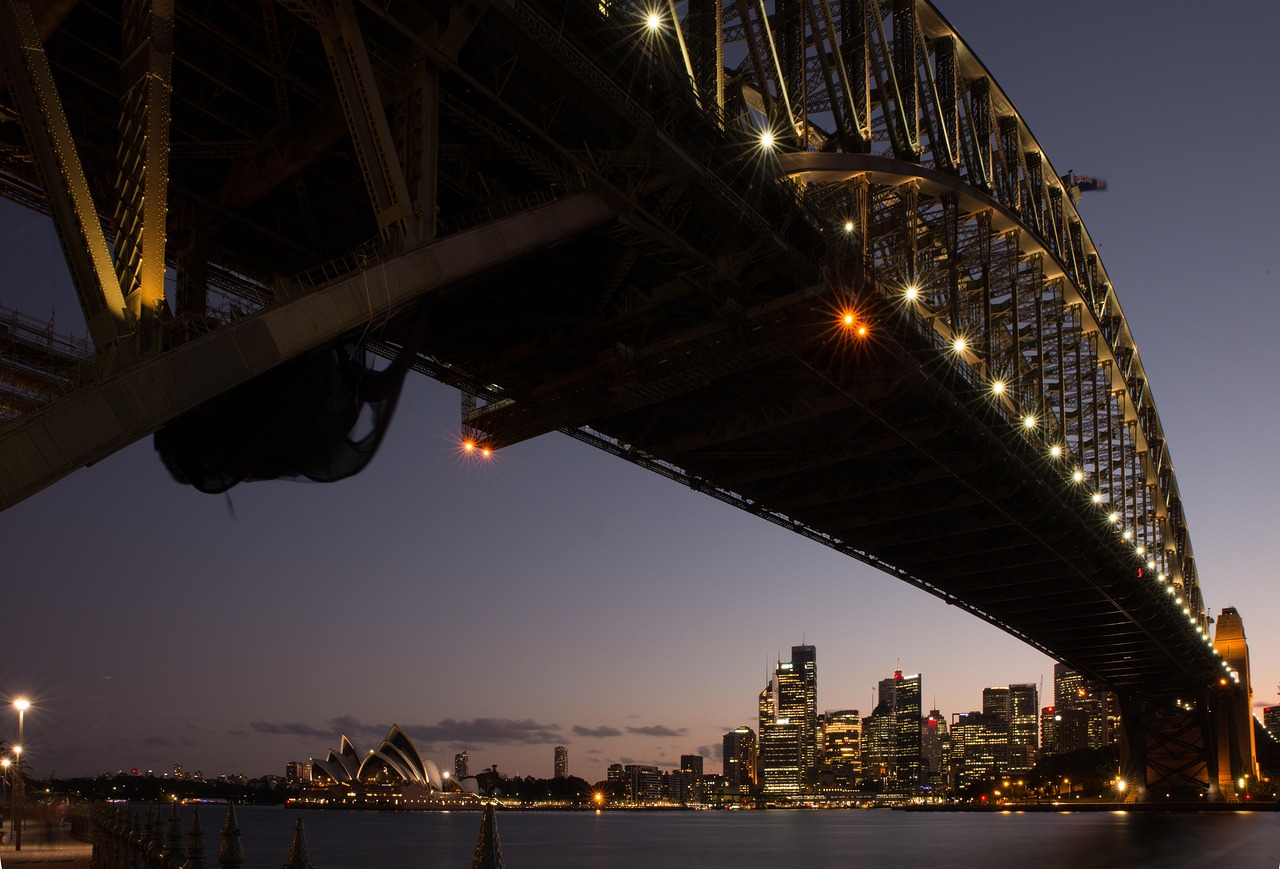
In recent developments, the Australian government has announced a significant increase in the fees associated with the Temporary Graduate Visa (subclass 485), much to the dismay of international students. This fee hike has sparked widespread concern and debate over the potential impacts on foreign students' abilities to live, study, and work in Australia.
Key Takeaways
- The Temporary Graduate Visa fee has been doubled, affecting many international students.
- This increase could deter potential students from choosing Australia as a study destination.
- Students should explore available scholarships and financial assistance options to manage costs effectively.
Understanding the Temporary Graduate Visa
The Temporary Graduate Visa (subclass 485) allows international students who have completed their studies in Australia to live, study, and work temporarily in the country. This visa is instrumental in providing graduates with the opportunity to gain practical work experience, which is a critical component of their post-study life. It typically offers a stay ranging from 18 months to four years, depending on the student’s qualifications and field of study.
The Recent Fee Hike
In a move announced in July 2023, the Australian government has doubled the application fee for the Temporary Graduate Visa from AUD 1,650 to AUD 3,300. This adjustment, effective from July 1, 2023, was justified by the government as a necessary measure to cover the administrative costs associated with processing visas. While this hike may seem straightforward from a policy standpoint, it has profound implications for international students, who already face financial burdens from tuition fees and living expenses.
Implications for International Students
The fee hike has sparked backlash from student groups and educational institutions alike. For many students, the increased cost of obtaining a Temporary Graduate Visa may serve as a deterrent to studying in Australia. As international education is a significant sector for the Australian economy, concerns have been raised about the potential drop in student enrolments.
In addition to tuition and living costs, students must now factor in the added expense of the visa fee, potentially impacting their decision to study in Australia. This is particularly concerning for students from developing countries, where the cost can be a substantial barrier.
Financial Assistance and Scholarships
Given the increased financial burden, it becomes crucial for students to explore all available avenues for financial assistance. Many Australian universities offer scholarships specifically tailored for international students. These scholarships can significantly reduce the cost of study and help offset the impact of the increased visa fees.
Students are also encouraged to engage with international student offices and advisors at their educational institutions to explore financial aid options, budgeting tips, and employment opportunities during their studies.
The Bigger Picture: Australia's Immigration Policy
This fee increase comes at a time when discussions around immigration and its impacts on Australian society are a hot topic. Recent debates have highlighted how immigration contributes to the country’s economic growth, particularly through international education, which is Australia's third-largest export industry.
However, the increase in visa fees can be seen as a contradiction to the government's efforts to attract international talent. Critics argue that this could weaken Australia’s competitive position in the international education market, especially when countries like Canada and the UK offer more attractive post-study work options.
Conclusion
While the fee hike for the Temporary Graduate Visa poses additional challenges for international students, it is essential for students to stay informed and proactive. Exploring scholarships, understanding financial aid options, and budgeting effectively can help manage these increased costs. For students considering Australia as a study destination, weighing these factors against the benefits of Australian education and work opportunities is crucial.
For those navigating the complexities of visa applications and financial constraints, the Australian Department of Home Affairs provides resources and guidance to help ensure a successful transition to post-study life in Australia. International students should remain engaged with policy updates and continue to voice their concerns to foster an environment that supports educational and career aspirations.
Sources and important context
AI-assisted immigration information. Confirm current requirements with the relevant government authority or a qualified professional before acting.