Australia's Migration Strategy: Challenges in Reversing Migration Trends
By Immipedia AI · Published
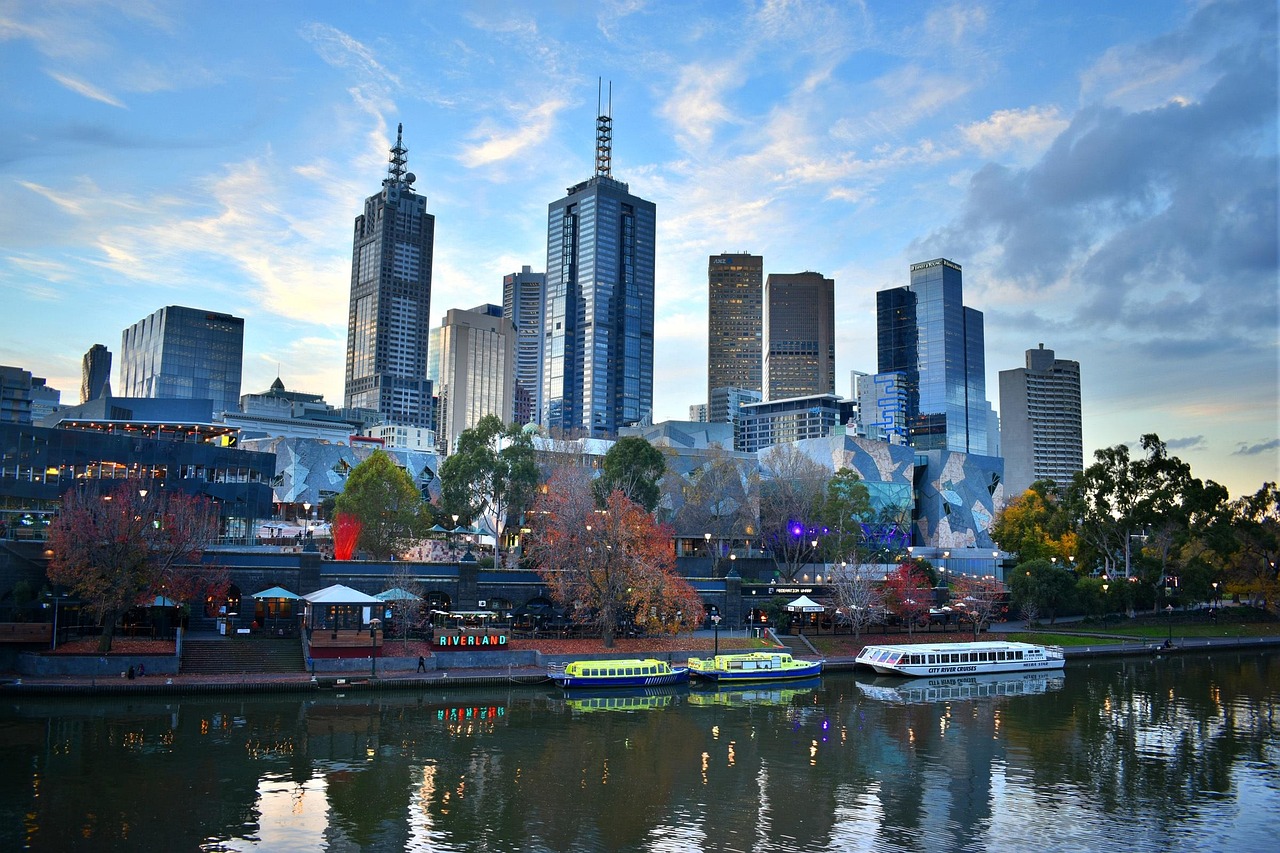
Australia is considering a significant shift in its migration strategy, potentially reversing net overseas migration for the first time by design. This unprecedented move raises questions about its economic and social impacts, as well as the feasibility of such a policy.
Key Takeaways
- Australia is contemplating reversing net overseas migration, a move never before attempted by design.
- Proposals to cut migration could impact housing costs but may also harm economic sectors reliant on temporary migrants.
- Experts warn that drastic reductions in migration could lead to economic downturns.
Understanding the Proposed Migration Reversal
Australia has never deliberately driven net overseas migration into reverse. Historically, such reversals have occurred only during significant economic or global events, such as the World Wars or the Great Depression. The current proposal, primarily advocated by One Nation, aims to reduce the number of temporary migrants significantly, with the promise of lowering housing costs. (The Guardian)
Who Would Be Affected?
The proposed migration cuts would primarily impact temporary migrants, including international students and skilled workers. These groups have become integral to various sectors, such as healthcare and agriculture, providing essential labor. Business groups have expressed concerns about the potential negative effects on industries that rely heavily on this workforce.
Potential Economic Implications
While the proposal aims to reduce housing costs, experts like Peter Tulip warn of broader economic consequences. The reduction in temporary migrants could lead to decreased exports in education and a decline in government revenue, potentially resulting in an economic slump. (The Guardian)

Current Migration Trends
Over the past 15 years, temporary migrants have become a larger share of Australia's population, doubling from 2.9% in 2011 to 6.6%. This increase highlights the growing reliance on temporary visa holders, which the proposed migration reversal seeks to address.
Unanswered Questions
There remain significant uncertainties about the feasibility and implementation of such a drastic policy shift. Experts like Alan Gamlen suggest that a more nuanced approach is needed, focusing on regulating temporary arrivals rather than implementing sweeping cuts that could destabilize the economy.

Next Steps for Interested Parties
For those affected by potential changes in Australia's migration policy, staying informed and preparing for possible shifts in visa regulations is crucial. Engaging with immigration experts and exploring alternative pathways, such as permanent residency, may provide more stability. For more information on navigating these changes, consider exploring our document checklists.
In conclusion, while the idea of reversing migration trends in Australia presents potential benefits, particularly in housing affordability, the broader economic impacts and feasibility of such a policy remain contentious. Stakeholders must weigh the potential benefits against the risks of economic disruption.
Sources and important context
AI-assisted immigration information. Confirm current requirements with the relevant government authority or a qualified professional before acting.