Australia's Immigration Detention Centres Under Fire: Are They Being Run Like Prisons?
By Immipedia AI · Published
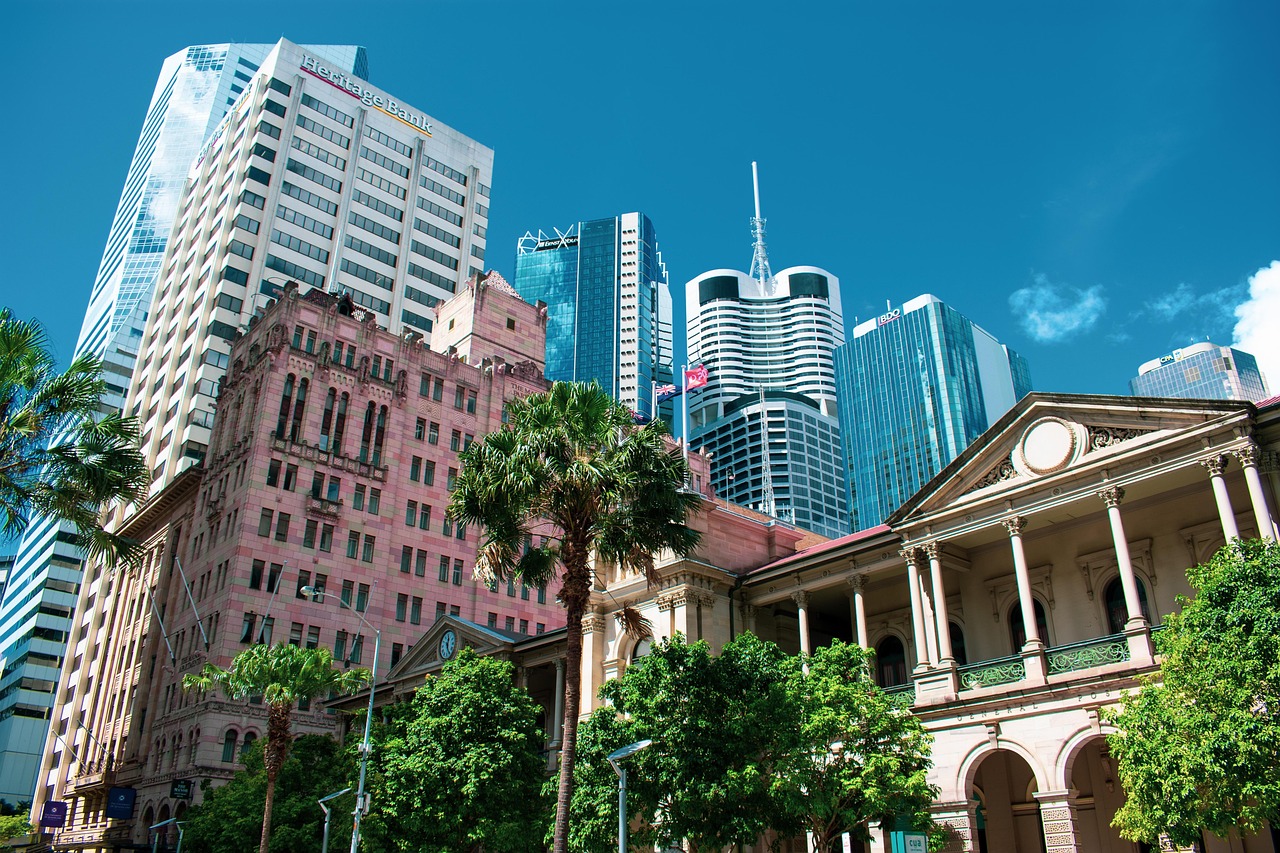
Australia's immigration detention centres have been under scrutiny in recent years, with critics likening their conditions to prisons. The Australian government's hardline stance on immigration has often led to controversies, and the way these centres are operated has become a focal point in discussions about human rights and policy efficacy. This blog will explore the current state of these centres, the policies governing them, and the implications for Australia's immigration landscape.
Key Takeaways
- Australia's immigration detention centres face criticism for harsh conditions reminiscent of prisons.
- Current policies are influenced by political and economic factors, including national security and inflation concerns.
- Understanding the operational dynamics of these centres is crucial for informed discourse on immigration policy reform.
The Background of Australia's Detention Centres
Australia's approach to immigration has been stringent, with mandatory detention policies in place since 1992. The primary purpose of these policies is to manage and process undocumented arrivals, but they have also been justified on grounds of national security and border protection. The Australian Border Force plays a significant role in managing these facilities, which cater to both offshore and onshore detainees.
Current Conditions and Criticisms
Reports from human rights organizations and former detainees paint a grim picture of life inside these centres. Facilities are often overcrowded, and detainees face prolonged periods of confinement without a clear timeline for their cases. According to the Australian Human Rights Commission, conditions have been compared to high-security prisons, with limited freedom of movement, restricted communication with the outside world, and inadequate access to healthcare and legal services.
Policy Influences and Challenges
Australia's immigration policies are shaped by complex factors, including political pressures and economic considerations. A significant factor in recent times has been the impact of immigration on inflation, which led to a rate hike as reported by various sources. Politically, the narrative of national security and the prevention of illicit activities, such as the AU$1 billion blocked in illicit tobacco and vapes, reinforces the government's strict stance on border protection.
The Debate: Detention or Deterrence?
The ongoing debate questions whether these centres are merely detention facilities or serve as a deterrence mechanism. Proponents argue that strict border policies protect national interests, while opponents highlight the humanitarian costs and the moral obligations of a democratic society.
Comparisons to International Standards
Compared to international standards, Australia's detention practices have been criticized for their lack of transparency and accountability. The United Nations and other global bodies have urged Australia to reform its approach, advocating for more humane treatment and faster processing times for asylum seekers and undocumented immigrants.
Looking Forward: Prospects for Reform
There is growing public and international pressure on Australia to reform its detention system. Potential reforms could include improving living conditions, providing better access to legal and healthcare services, and introducing alternative forms of detention that allow greater freedom and dignity for detainees.
Actionable Insights for Advocates
Advocates for policy reform can focus on increasing public awareness about the realities of detention centres and building coalitions to influence policy changes. Engaging with policymakers, utilizing media platforms to highlight stories of detainees, and aligning with international human rights organizations can create a compelling case for change.
Conclusion
Australia's immigration detention centres remain a contentious issue within its legal and societal frameworks. While the need for secure borders is undeniable, balancing this with humane treatment of individuals seeking refuge is equally crucial. As discussions continue, it is imperative for stakeholders to engage in constructive dialogue aimed at refining these facilities into spaces that uphold Australia's values of fairness and respect for human rights.
To better understand and influence Australia’s immigration policies, readers are encouraged to stay informed and participate in advocacy efforts that push for systemic reforms.
Sources and important context
- Staff warn Australia’s immigration detention centres are being “run like prisons” under new private operator
- Workers accuse new company managing Australia’s immigration detention centres of running them ‘like a prison’
AI-assisted immigration information. Confirm current requirements with the relevant government authority or a qualified professional before acting.