Australia's 'Backpacker' Visa Slowdown: What It Means for Immigration Policy
By Immipedia AI · Published
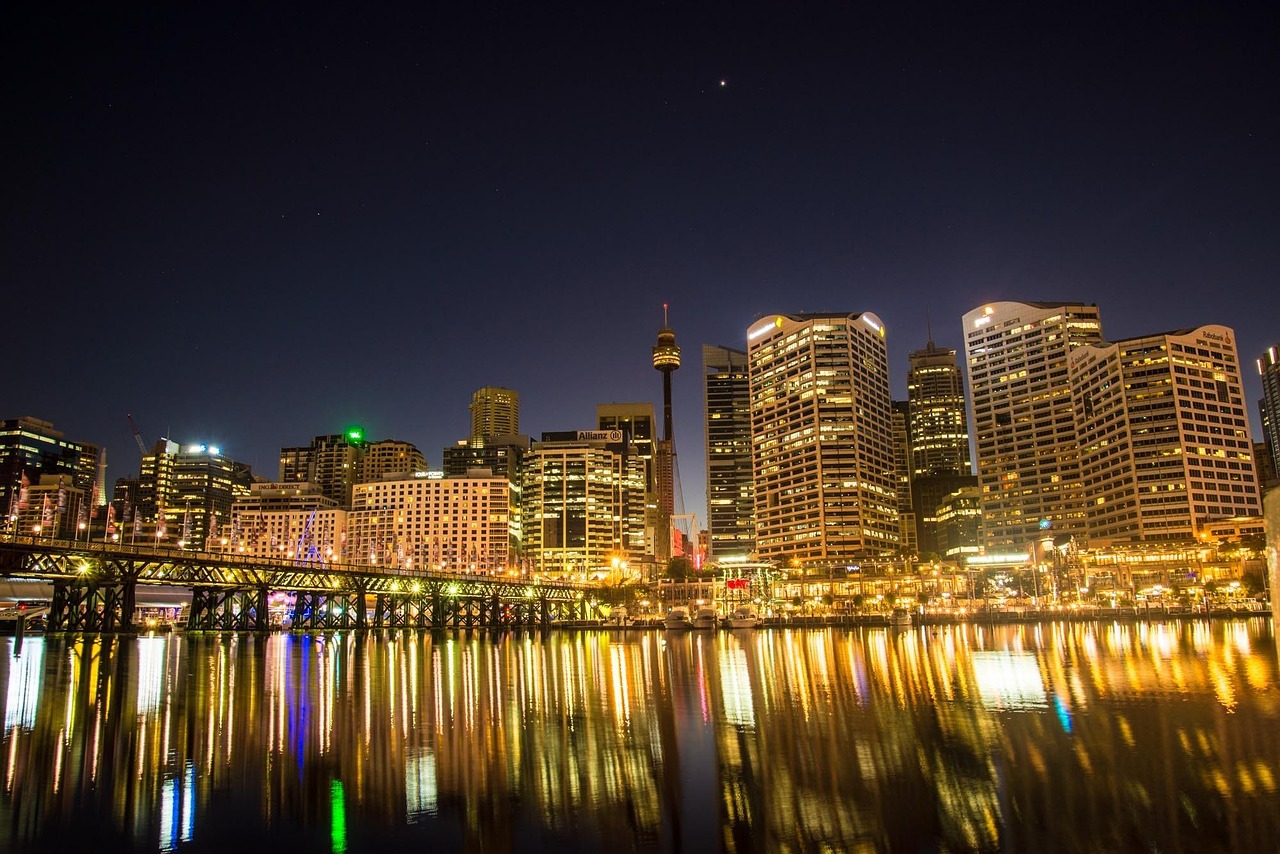
Australia has long been a popular destination for young travelers seeking both adventure and temporary work opportunities under the Working Holiday Maker (WHM) visa program. However, recent reports indicate a slowdown in the processing of these 'backpacker' visas, raising concerns among potential applicants and employers alike. This development prompts a re-examination of Australia's immigration policies and their implications for the broader economy. In this blog post, we explore the factors contributing to the visa processing delays and what they mean for the future of Australia's immigration landscape.
Key Takeaways
- The processing time for Australia's Working Holiday Maker visas has significantly slowed, affecting young travelers and employers.
- This slowdown reflects broader debates on immigration policy, influenced by political figures like Pauline Hanson.
- Understanding the rationale behind these delays is crucial for both potential applicants and businesses reliant on seasonal workers.
Understanding the Working Holiday Maker Visa
The Working Holiday Maker (WHM) visa program is a popular choice for young individuals aged 18 to 30 (or 35 for some nationalities) who wish to work and travel in Australia for up to 12 months. There are two subclasses of this visa: the Working Holiday visa (subclass 417) and the Work and Holiday visa (subclass 462). These visas aim to foster cultural exchange and fill temporary labor shortages in sectors like agriculture and hospitality. According to the Australian Government Department of Home Affairs, these visas have traditionally been processed efficiently, ensuring a steady influx of young travelers eager to experience Australia.
Reasons for the Visa Processing Slowdown
Political Influence
Recent political discourse, particularly influenced by figures such as Pauline Hanson, has focused on tightening immigration policies. Hanson's views often emphasize reducing immigration levels to protect Australian jobs. The increased scrutiny and policy debates may indirectly affect the processing timeline of WHM visas.
Impact of COVID-19
The COVID-19 pandemic severely disrupted global travel and immigration processes. While Australia has largely reopened its borders, the backlog of visa applications and the need to adapt to new health and safety regulations have contributed to processing delays.
Administrative Challenges
Administrative bottlenecks within the Department of Home Affairs could also be a cause. The department may be reallocating resources to prioritize other visa categories or managing changes in visa application volumes post-pandemic.
Implications for Travelers and Employers
The slowdown in processing WHM visas has tangible consequences. Young travelers from countries like Japan, a significant contributor to the WHM applicant pool, are reportedly anxious about the uncertainty and potential disruptions to their travel plans. For employers, particularly in agriculture and hospitality, reduced availability of backpackers could exacerbate existing labor shortages.
Strategies for Potential Applicants
Prospective WHM visa applicants should plan well in advance to accommodate potential delays. Staying informed about current processing times and ensuring all application materials are complete and accurate can help minimize disruptions.
Advice for Employers
Employers who rely on seasonal workers should consider diversifying their recruitment strategies. Engaging local workers or exploring other visa categories may provide alternative solutions to meet labor demands.
The Future of Australia's Immigration Policy
The current slowdown in WHM visa processing highlights a broader need for Australia to assess its immigration policies. As Australia's economy continues to recover post-pandemic, the role of backpackers and temporary workers in supporting key industries will be crucial. Balancing the protection of domestic jobs with the economic benefits of foreign workers is a complex but essential task for policymakers.
Potential Policy Adjustments
To address these challenges, the Australian government might consider streamlining visa processing through digital solutions or increasing resources for the Department of Home Affairs. Additionally, open dialogues with stakeholders, including businesses and community leaders, can provide insights into effective policy adjustments.
Conclusion
Australia's slowdown in processing Working Holiday Maker visas underscores the delicate interplay between immigration policy and economic needs. While current delays pose challenges, they also present an opportunity for Australia to refine its approach to temporary migration. For young travelers and employers, staying informed and adaptable will be key strategies in navigating the evolving immigration landscape. As policymakers work towards a balanced solution, the hope is to maintain Australia's position as a top destination for cultural exchange and economic collaboration.
Sources and important context
- Young Japanese anxious as Australia slows working holiday visa processing time
- Australia Slows ‘Backpacker’ Visa Process as Migration Cuts Eyed
AI-assisted immigration information. Confirm current requirements with the relevant government authority or a qualified professional before acting.