Albanese Government's Major Overhaul: Permanent Skilled Visas Halved for Regional Areas
By Immipedia AI · Published
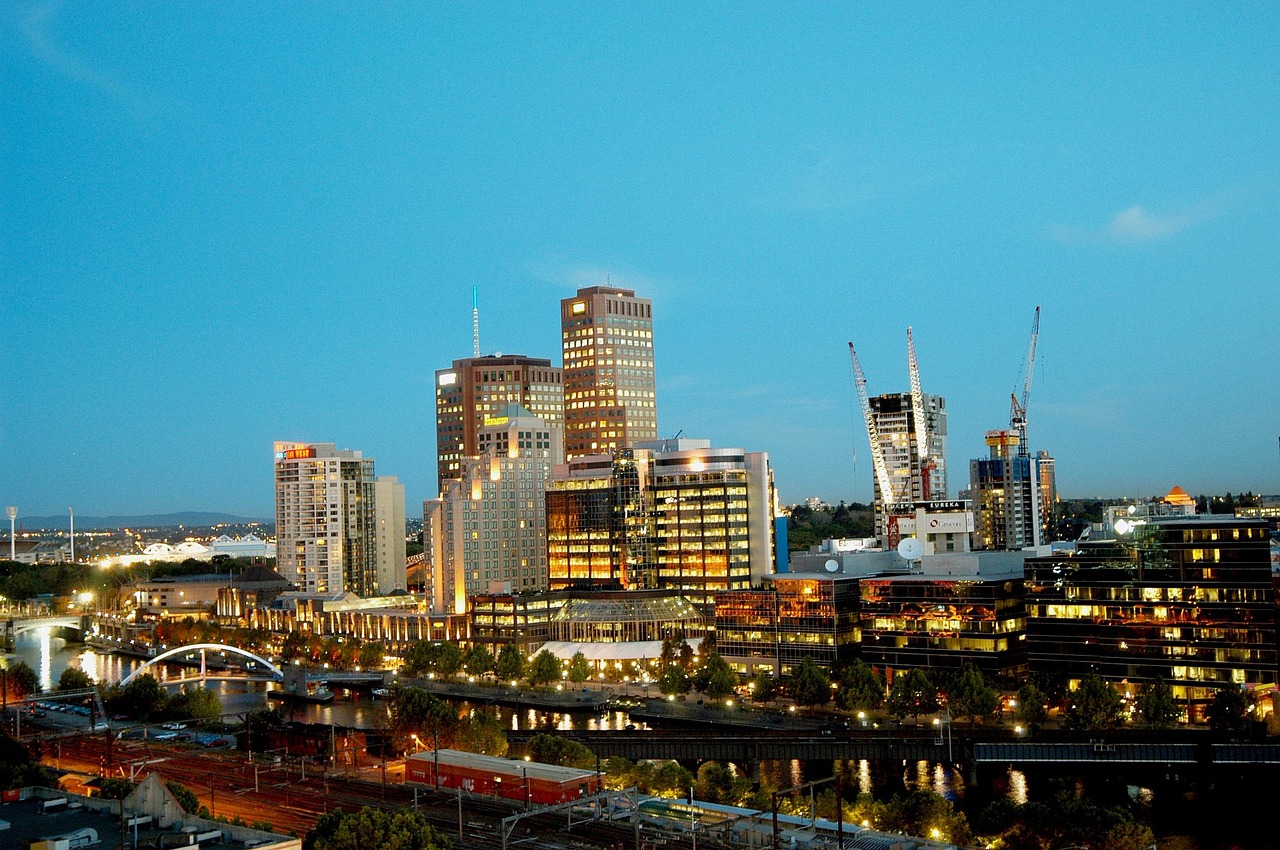
The Albanese Government has announced a significant policy shift impacting the landscape of immigration in Australia. The focus of this change is the substantial reduction in the allocation of permanent skilled visas for regional areas. This decision marks a pivotal adjustment in Australia's immigration strategy, reflecting broader social and economic considerations. Understanding these changes is crucial for prospective immigrants, employers, and policymakers alike.
Key Takeaways
- The Albanese Government has halved the number of permanent skilled visas specifically allocated for regional areas in Australia.
- This policy aims to redirect focus towards urban centers to meet economic demands.
- Prospective immigrants should reconsider their application strategies and explore urban-centric visa options.
Background and Context
The Australian government has historically encouraged immigration to regional areas to alleviate population pressures in major cities and support regional economies. Under previous administrations, a significant quota of the skilled migration program was allocated specifically for regional areas. This approach was designed to distribute population growth more evenly across the country.
However, recent economic and social analyses suggest that the demands of the urban labor market necessitate a shift in policy. The Albanese Government, citing economic imperatives, has decided to halve this allocation, effectively redirecting skilled migration towards urban centers.
Policy Details
As of 2023, the Australian government has announced that the number of permanent skilled visas designated for regional areas will be reduced by 50%. This decision reflects a broader strategy to align immigration policy with the current economic landscape. The reduced regional visa quota will be repurposed to enhance labor supply in urban areas, which have been identified as needing skilled workers to support growth and innovation.
According to the Department of Home Affairs, this policy is designed to address imbalances in skilled labor distribution and ensure that Australia's immigration system supports its economic priorities. The government argues that focusing on urban areas can help meet the immediate demands of industries concentrated in major cities.
Impact on Regional Areas
While this policy aims to bolster urban economies, it raises concerns about the potential negative impacts on regional development. Regions that have historically relied on a steady influx of skilled migrants to fill critical labor shortages in sectors such as healthcare, agriculture, and education might face challenges. Local governments and regional industries may need to explore alternative strategies to attract and retain talent.
What This Means for Prospective Immigrants
For individuals considering immigration to Australia under the skilled migration program, this policy change necessitates a reevaluation of their strategies. Prospective applicants should focus on understanding the demands and opportunities within urban regions. The shift may require adjustments in visa applications, with an emphasis on aligning skills with the needs of industries prevalent in metropolitan areas.
Furthermore, individuals currently residing in regional areas on temporary visas may need to consider transitioning to urban centers to secure permanent residency, given the reduced availability of regional permanent visas.
Broader Implications
Beyond the immediate changes to visa allocations, the Albanese Government's decision reflects a strategic pivot in immigration policy that may signal further shifts in the future. Policymakers and stakeholders must consider the long-term implications of these changes on both regional development and the density of urban populations.
This policy also invites discussion about the balance between regional and urban growth, the sustainability of Australia's immigration system, and its role in enhancing national economic resilience.
Conclusion
The halving of permanent skilled visas for regional areas by the Albanese Government marks a significant shift in Australia's approach to immigration. While it aims to address urban labor demands, it poses challenges for regional development. Prospective immigrants and policymakers must navigate this new landscape with a strategic mindset, adapting to urban-centric immigration opportunities and considering the broader implications on Australia's demographic and economic fabric.
For those affected by these changes, it is crucial to stay informed about further policy developments and seek professional advice to optimize migration strategies.
Sources and important context
AI-assisted immigration information. Confirm current requirements with the relevant government authority or a qualified professional before acting.